

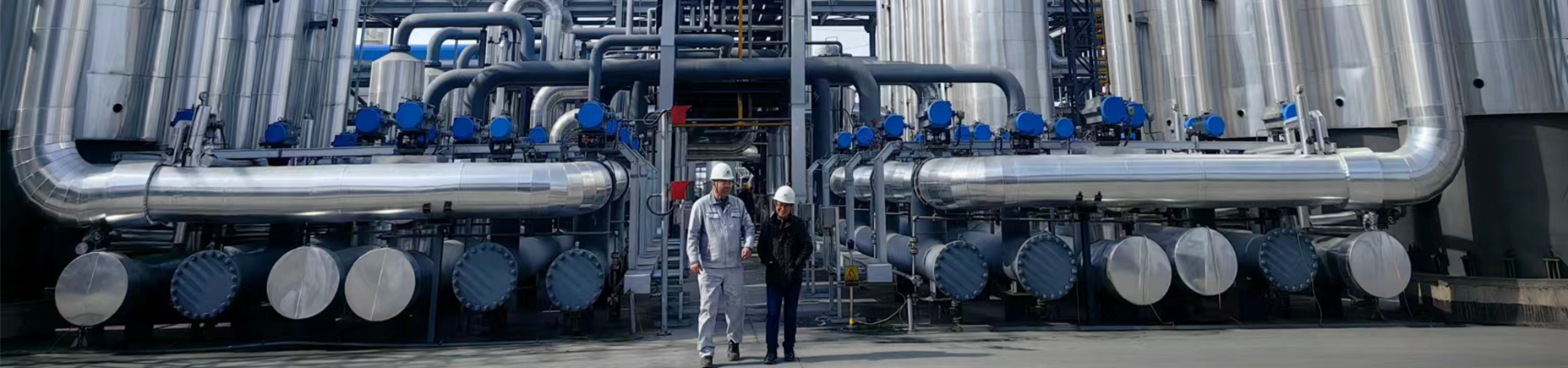
natural gas liquefaction schemes
Natural gas liquefaction scheme
Natural gas, an essential source of energy, is often found in a gaseous state. However, for ease of transportation over long distances and storage, it must be liquefied. Imagine how huge tanks of liquid gas, like giant refrigerators, hold enormous amounts of energy. The liquefaction scheme is a complex but effective process that converts gas into a liquid state. This process is extremely important for the global economy and energy supply.
Main stages of natural gas liquefaction
The first step is to clean the natural gas. Harmful impurities are removed from it to avoid problems during the liquefaction process and maintain the quality of the final product. The gas is then cooled. This process is similar to freezing water, but on a much larger scale. Cooling occurs in several stages using cryogenic technologies, where the gas is gradually cooled to ultra-low temperatures close to absolute zero. When the critical point is reached, the gas turns into a liquid state. Then the resulting liquid substance is stored and transported in specialized tanks.
Why is it important to liquefy gas?
Liquefaction of natural gas is a solution to several problems at once. Firstly, it saves space. One cubic meter of liquefied gas takes up much less space than gas in its gaseous state. This makes it possible to store it more efficiently and transport it over long distances; resource savings are very large. Also, liquefied gas is much more convenient to transport by sea and land than in gaseous form. This makes it possible to provide energy to remote regions and develop trade between countries. And finally, liquefied gas, unlike gaseous gas, is safer during storage and transportation. Thanks to all these advantages, liquefied natural gas (LNG) has become an indispensable fuel in the modern world.
Modern liquefaction technologies
Modern liquefaction technologies are constantly being improved. More efficient and environmentally friendly cooling methods are being developed, saving energy and reducing the negative impact on the environment. In addition, increasing attention is being paid to the development of innovative storage and transportation systems for liquefied natural gas. This makes the process even safer and more efficient, making energy access more stable and affordable.
Correspondingproducts
Related Products
Best Sellingproducts
Best Selling Products-
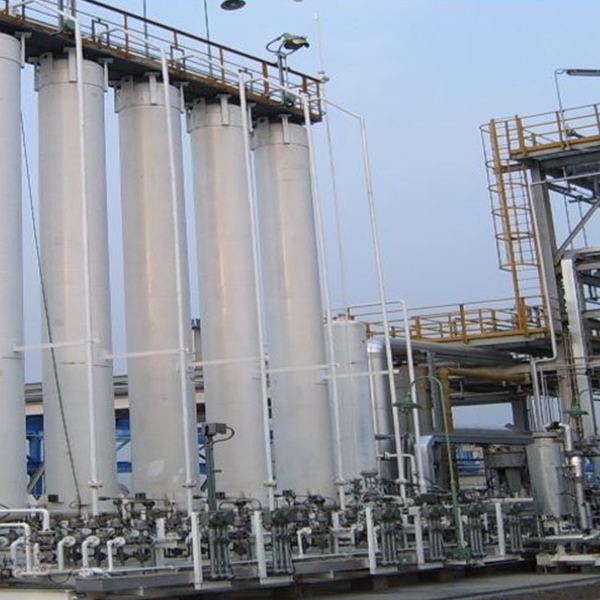 Argon purification
 -
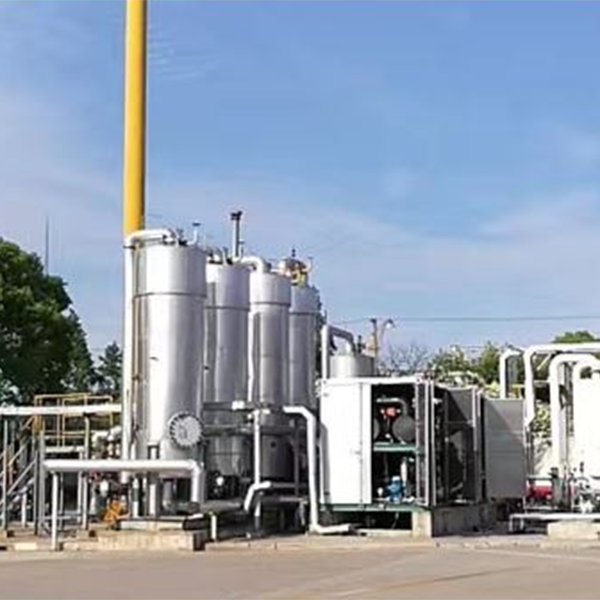 VOC tail gas disposal
 -
 Battery material precursor production technology
 -
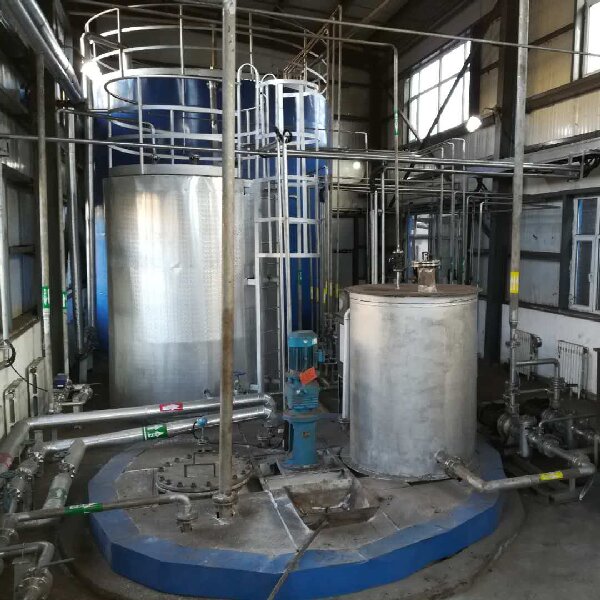 Flue gas denitrification SCR、SNC
 -
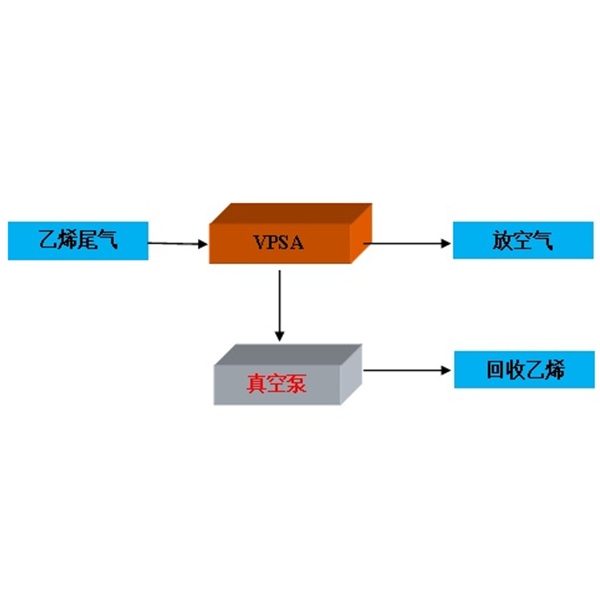 Ethylene tail gas recovery
 -
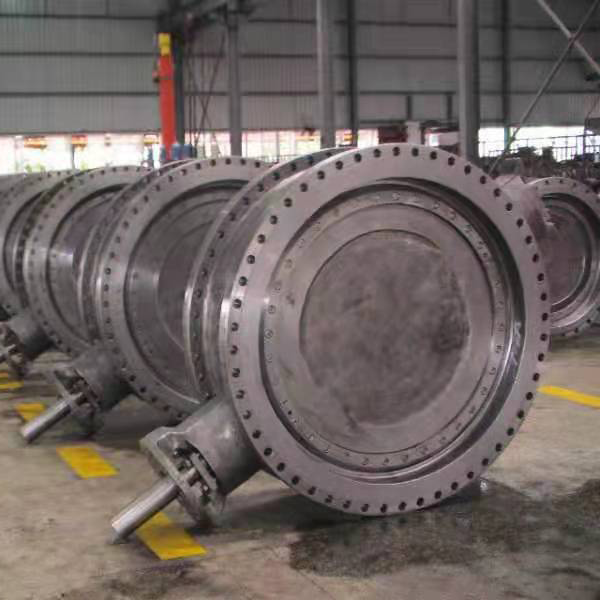 Valve
Valve -
 Technology of desulfurization and CO2 removal using NHD method
 -
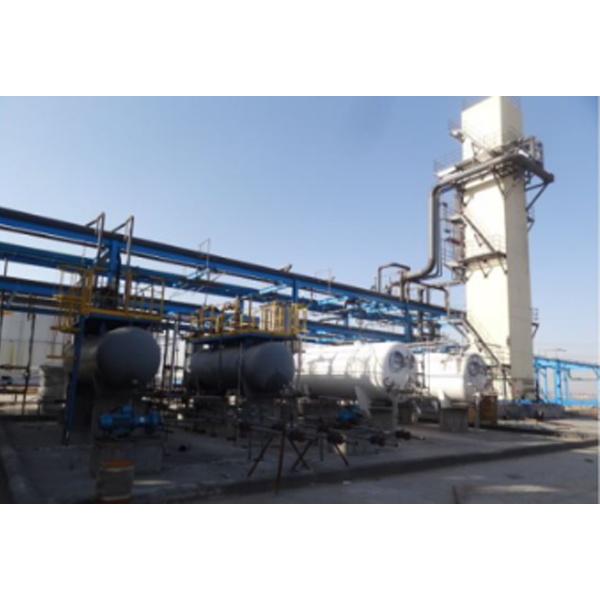 Liquefaction of natural gas
 -
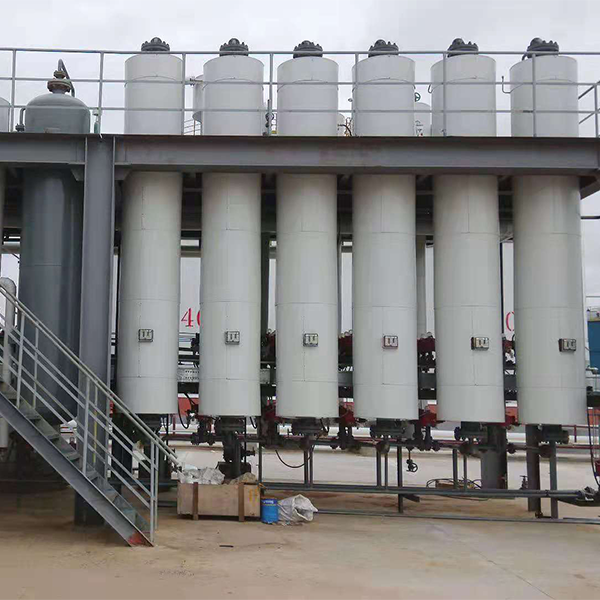 Hydrogen production by splitting methanol
 -
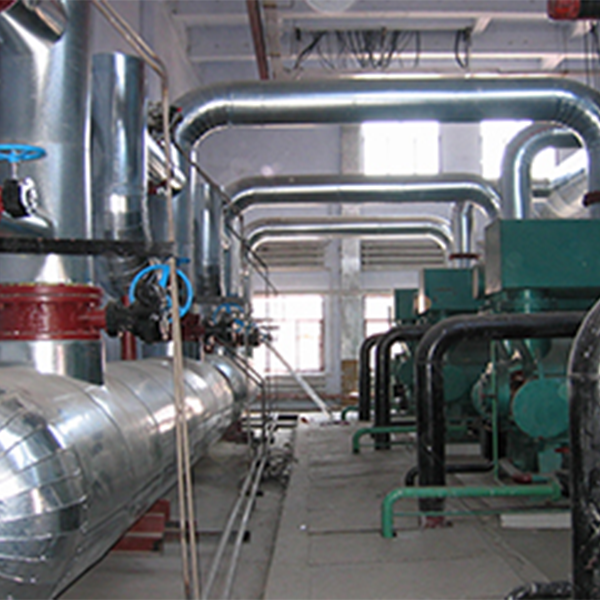 Oxygen production by pressure swing adsorption
 -
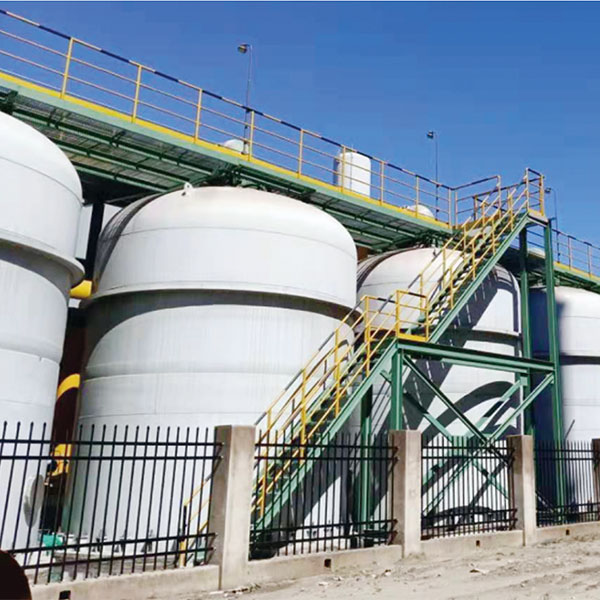 Flue gas CO2 recovery technology
 -
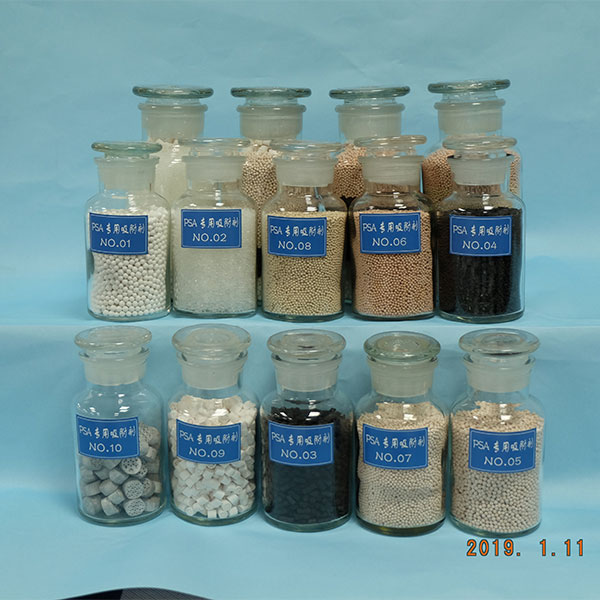 absorbent
Relatedsearch
Related Search- China Ventilation Valve Exporter
- cleaning technical argon
- unique natural gas liquefaction technology
- China Kamaz Valve Manufacturers
- China Adsorbent Substance Manufacturers
- adsorbents factory list
- China Redox Wet Desulfurization Technology Suppliers
- China Pressure Swing Adsorption Nitrogen Production Factory
- China liquefied natural gas plants schemes
- China Check Valve Exporter