

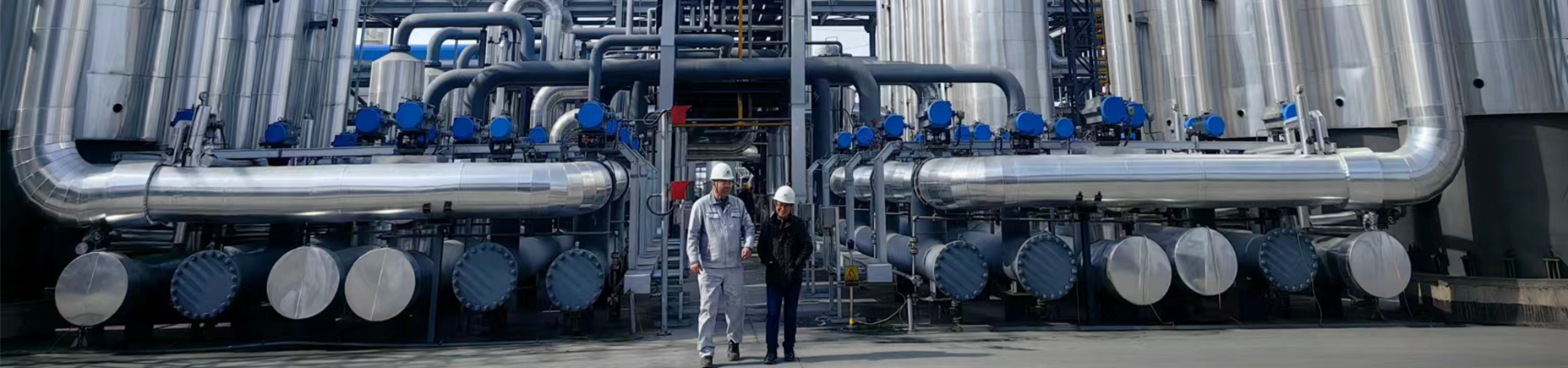
Arctic Cascade natural gas liquefaction technology
Natural gas liquefaction technology Arctic Cascade
Liquefied natural gas (LNG) technology is a complex but necessary process that allows natural gas to be transported over long distances, bypassing the complexity and high cost of gas pipelines. Imagine the huge volumes of gas produced in Arctic fields - it must somehow be delivered to consumers in warmer latitudes. This is exactly what LNG technology is for. The Arctic Cascade is an innovative system designed to efficiently and safely liquefy natural gas in the harsh conditions of the Arctic.
Environmental benefits of the Arctic Cascade
The Arctic Cascade is focused on reducing the ecological footprint as much as possible. The use of modern, energy-efficient cooling technologies allows us to minimize energy consumption, and therefore greenhouse gas emissions. In addition, the use of innovative materials and designs ensures the reliability and durability of the entire system, reducing the risk of leaks and environmental pollution. This is important, because respect for the Arctic nature is a key factor for the long-term success of the project.
How the Arctic Cascade works - from the field to the consumer
The gas liquefaction process in the Arctic cascade is based on a consistent decrease in the temperature of natural gas. Initially, the gas is purified from impurities. Then, with the help of powerful refrigeration units, the gas is cooled to critically low temperatures, turning into a liquid state. The resulting LNG is stored in specialized tanks and then transported on huge tanker ships to consumers. At the final point, the liquefied gas again turns into a gaseous state and enters the gas distribution network.
Social responsibility of the Arctic Cascade
The Arctic Cascade considers not only economic benefits, but also social aspects. The project creates new jobs, both during construction and throughout operation. In addition, highly qualified personnel are needed to ensure safe work at the facilities, which contributes to the development of the professional community in the Arctic. This helps not only to raise the standard of living in the region, but also to provide quality labor for residents of the Arctic territories.
Correspondingproducts
Related Products
Best Sellingproducts
Best Selling Products-
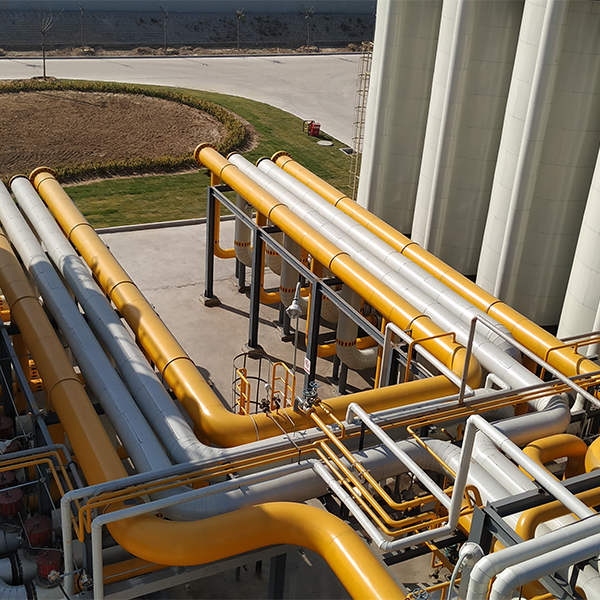 Coke gas purification technology
 -
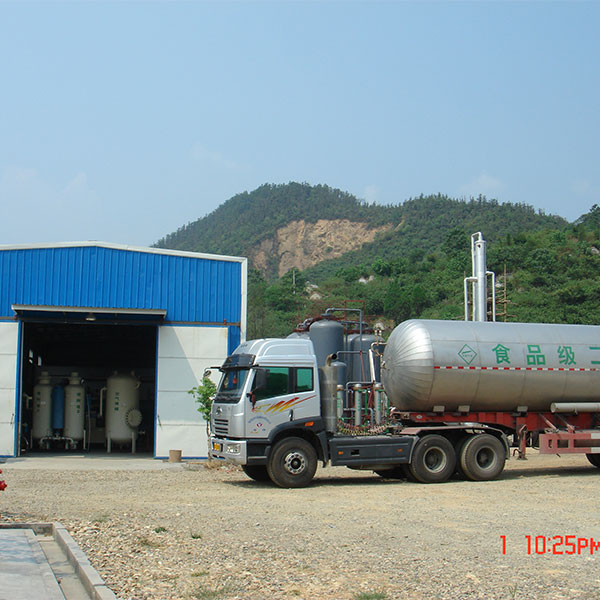 Food grade CO2 purified
 -
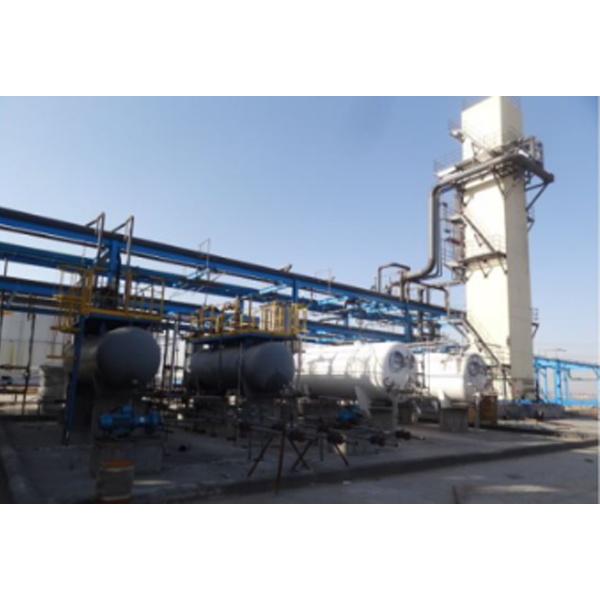 Liquefaction of natural gas
 -
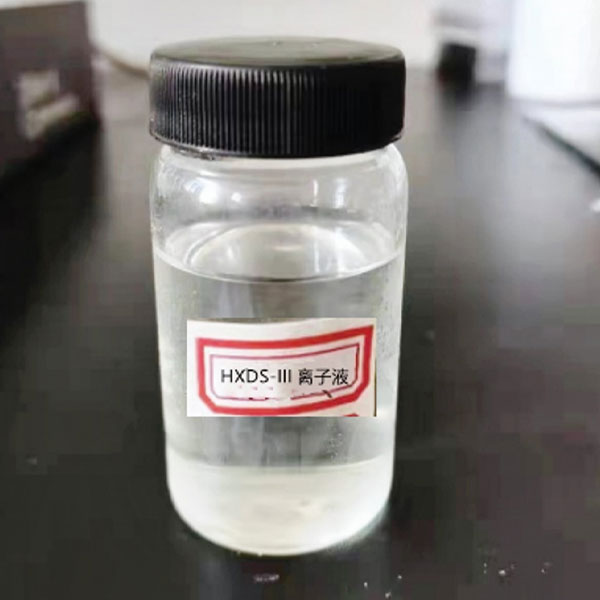 Ionic liquid desulfurizer
 -
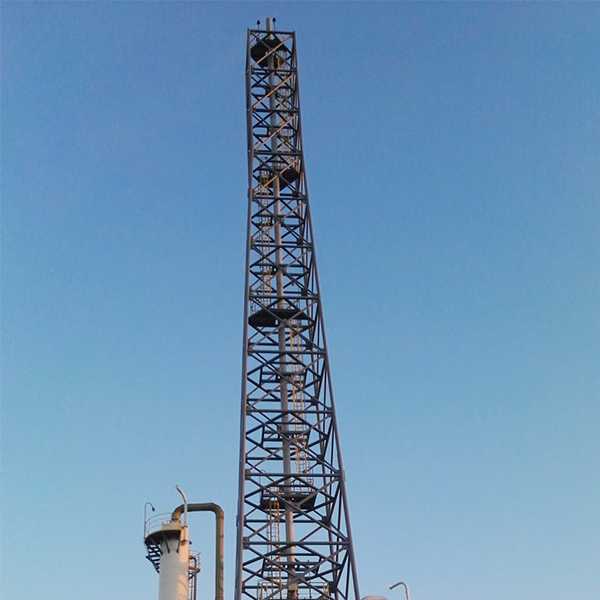 Technology of desulfurization and CO2 removal using NHD method
 -
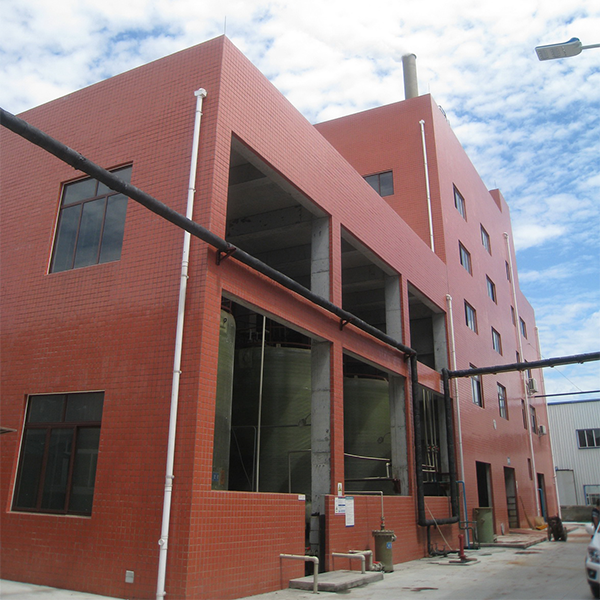 Battery material precursor production technology
 -
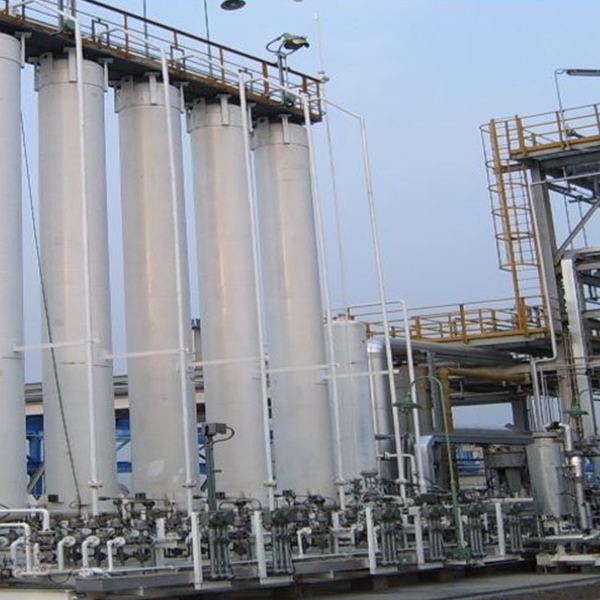 Argon purification
 -
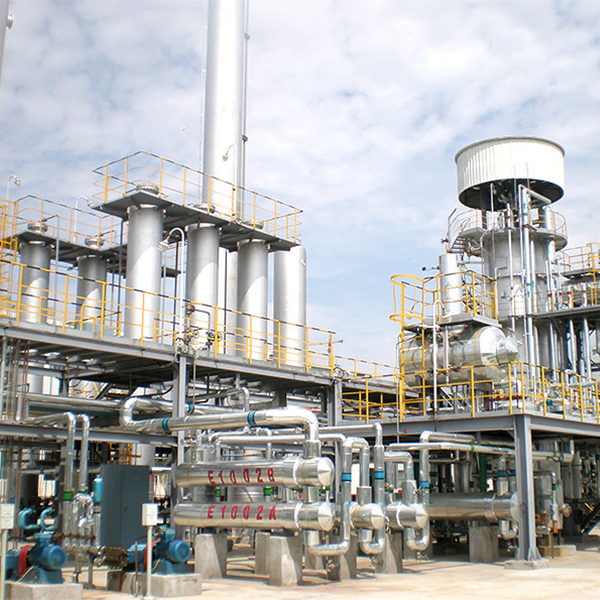 Hydrogen production by conversion of light hydrocarbons with steam
 -
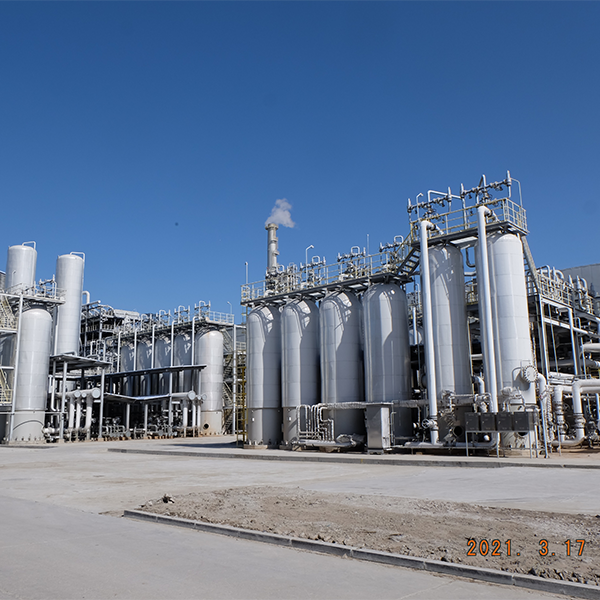 Hydrogen production from coke oven gases
 -
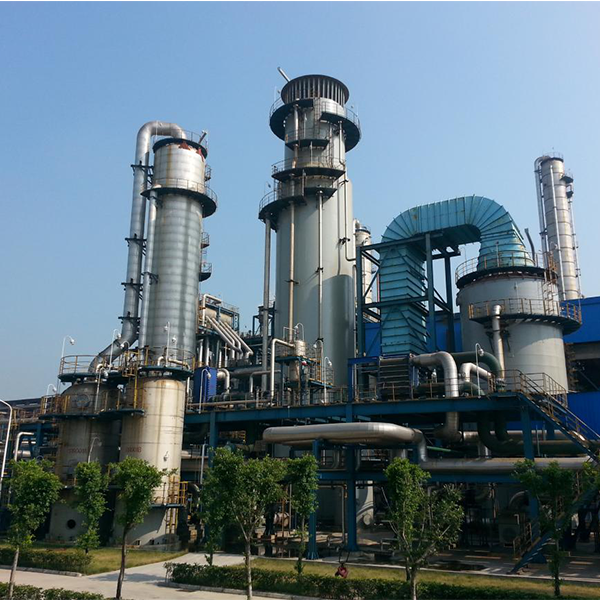 MEA-MDEA-NHD Desulfurization Technology
 -
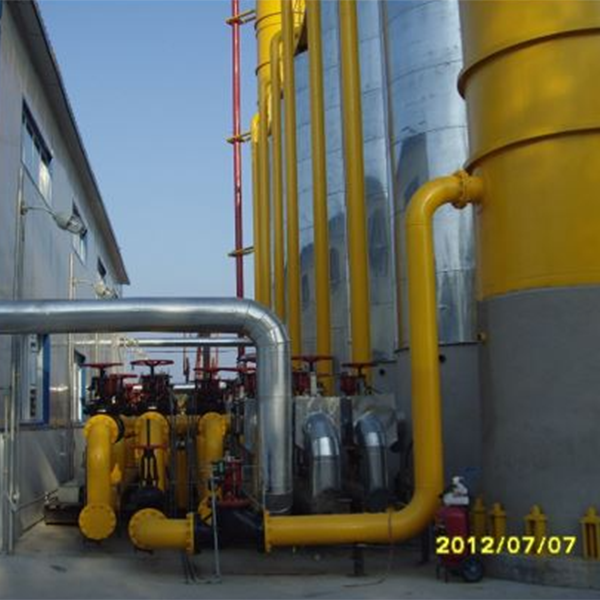 Vinyl chloride recycling technology
 -
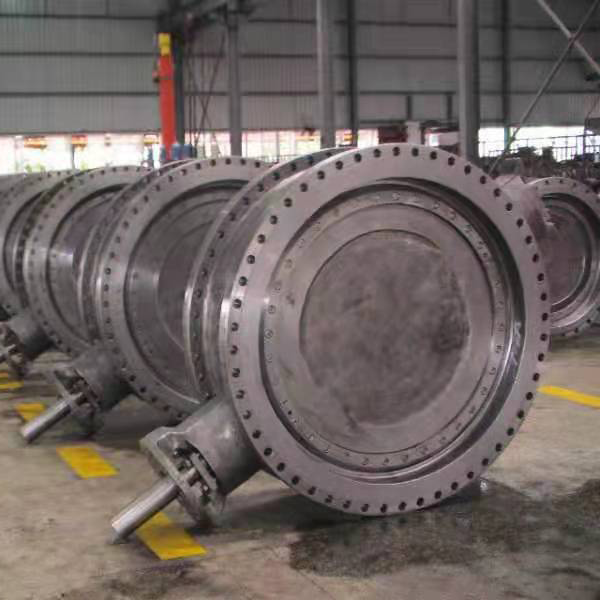 Valve
Valve
Relatedsearch
Related Search- China Air Adsorbents Suppliers
- China natural gas liquefaction process product
- China Liquefaction of natural gas plants
- China Valve price
- China injector valve factories
- China air conditioner valve product
- China Ammonia Flue Gas Desulphurization Technology Factory
- gas adsorbents manufacturer
- buy adsorbent in China
- China food adsorbent exporters