

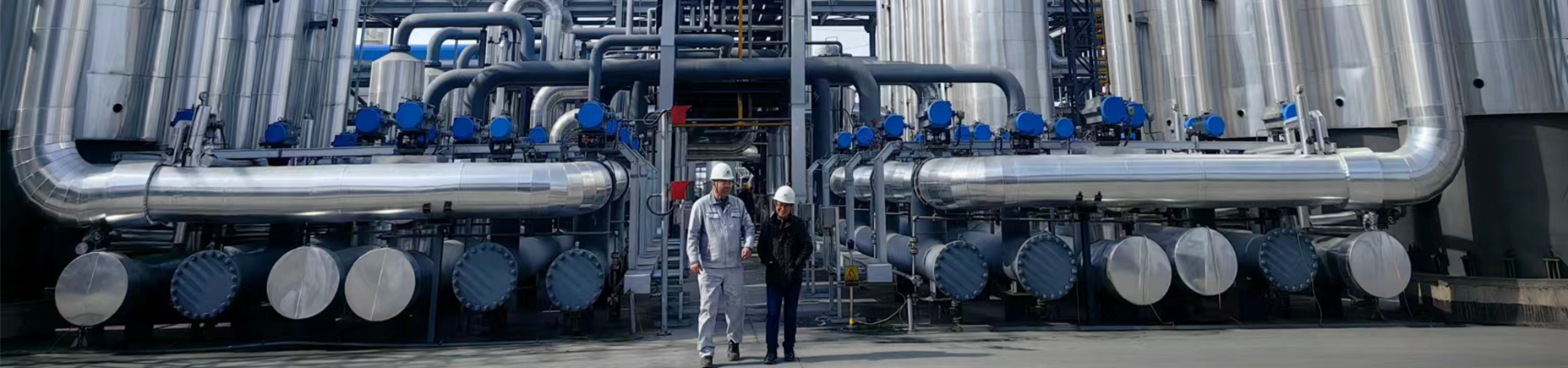
sorbent adsorbent
Sorbent-adsorbent: silent helpers in our world
Sorbent and adsorbent - these words may sound complicated, but in fact they describe amazing materials that play an important role in our daily lives. Imagine that you have a dirty glass and you need to clean it. Sorbents and adsorbents are like small but powerful cleaners that do the job at the molecular level.
What is sorption?
Sorption is a process when a substance (sorbate) adheres to the surface of another substance (sorbent). This happens on a microscopic level, like millions of tiny magnets attracting pollution molecules. The sorbent is, in fact, the material that does this work. It can be different: from activated carbon to zeolites. Depending on what needs to be removed, different sorbents are chosen. For example, activated carbon copes well with unpleasant odors and toxic substances, and zeolites cope well with certain types of liquids.
Difference between sorbent and adsorbent
Although both words refer to the processes of adhesion, there is a small but important difference. An adsorbent is a substance that attracts a substance to its surface. Sorbent is a broader concept and can include both adsorption and absorption (absorption of a substance into the material). Imagine a sponge. It can absorb liquid (absorption), or it can collect dirt on its surface (adsorption). Either way, both processes help cleanse the surrounding area.
Applications of sorbents and adsorbents
The use of sorbents and adsorbents is incredibly wide. From water filters and air purification to waste treatment and even in medicine, wherever you need to get rid of unnecessary substances, they are indispensable. For example, activated carbon is used in gas masks to absorb toxic gases. In industry, sorbents play an important role in water purification, pollution removal and many other processes. Even in our food industry they are used to improve the quality of products. Sorbents and adsorbents are invisible but important helpers in our world that help us live in a cleaner and healthier environment.
Correspondingproducts
Related Products
Best Sellingproducts
Best Selling Products-
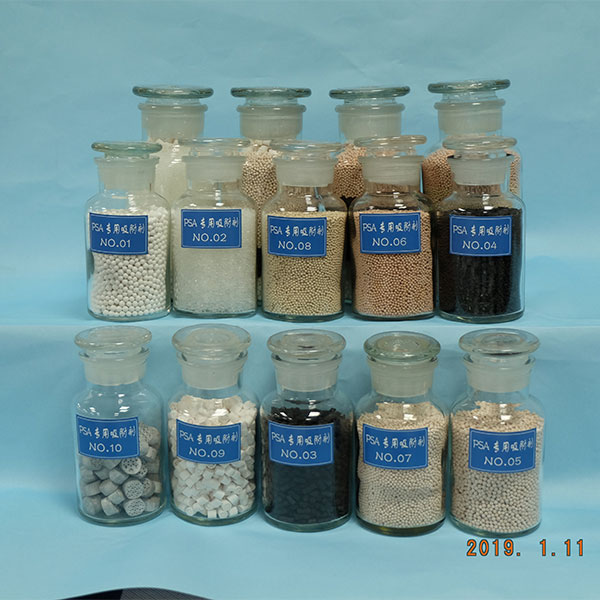 absorbent
 -
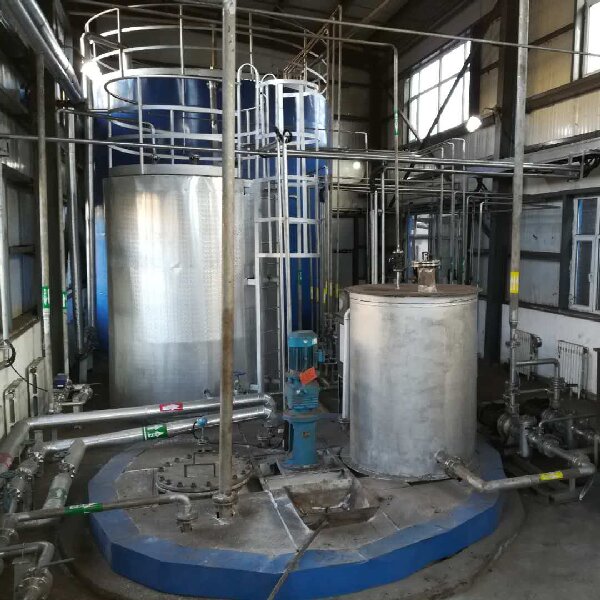 Flue gas denitrification SCR、SNC
 -
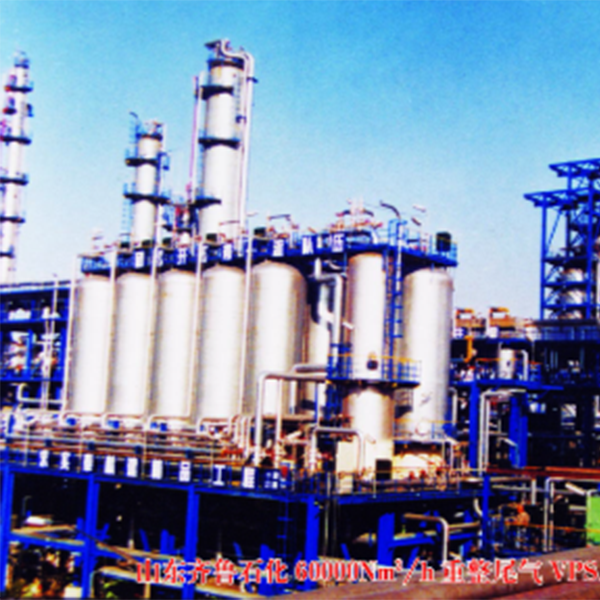 Hydrogen purification technology by pressure swing adsorption
 -
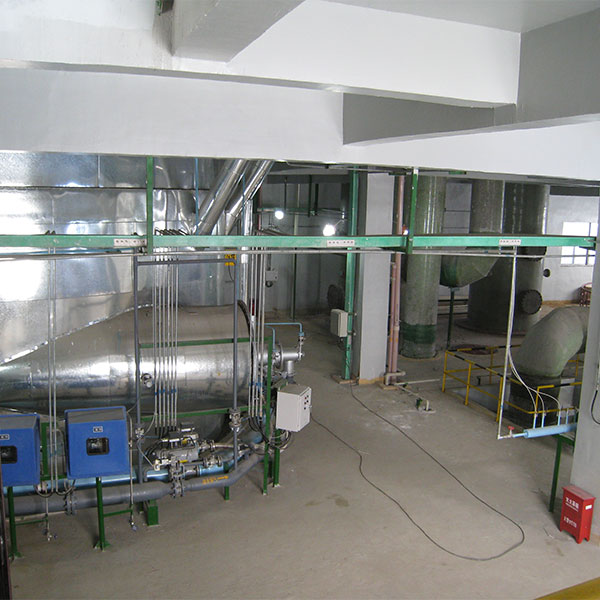 Special acid regeneration equipment
 -
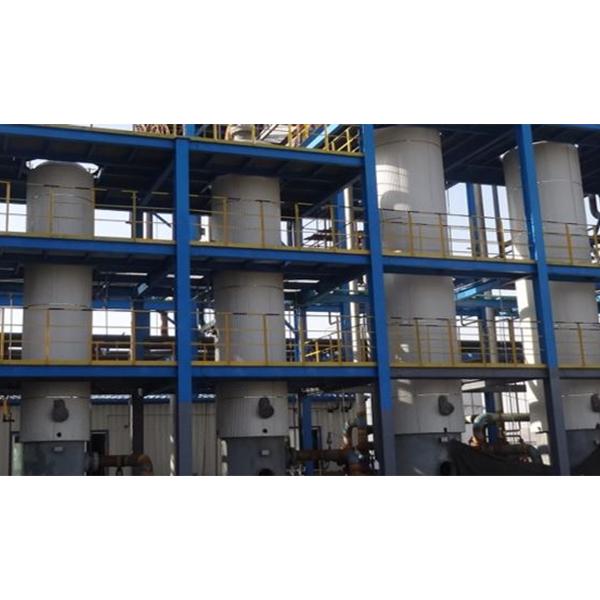 Coal gas organic sulfur fine removal technology
 -
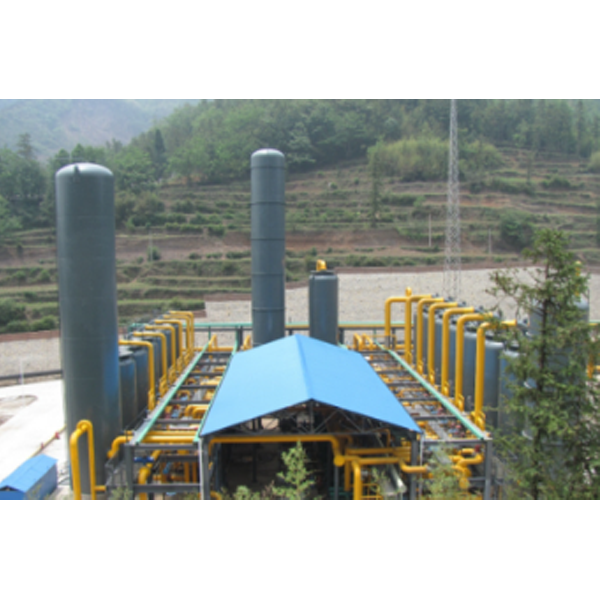 Methane extraction technology – coalbed methane
 -
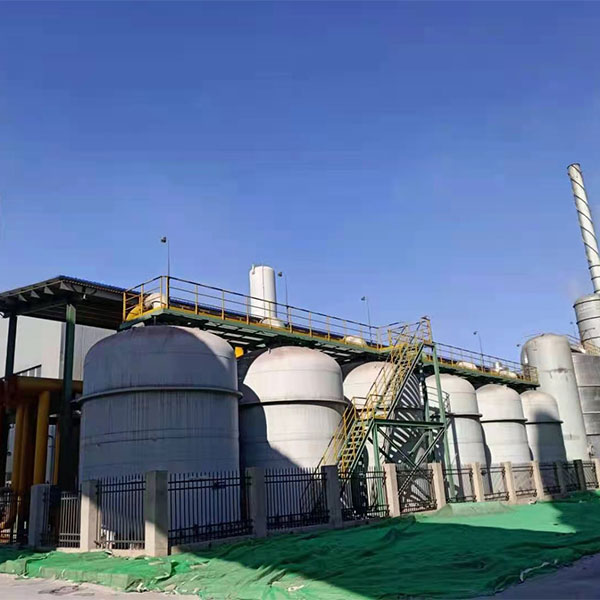 CO2 removal by pressure swing adsorption
 -
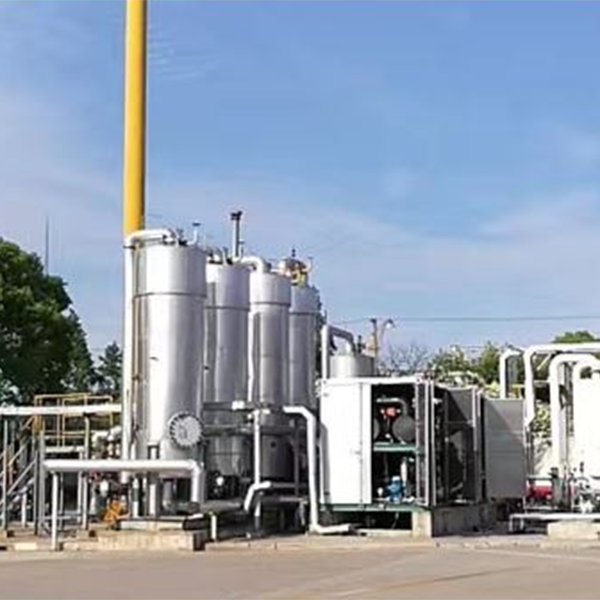 VOC tail gas disposal
 -
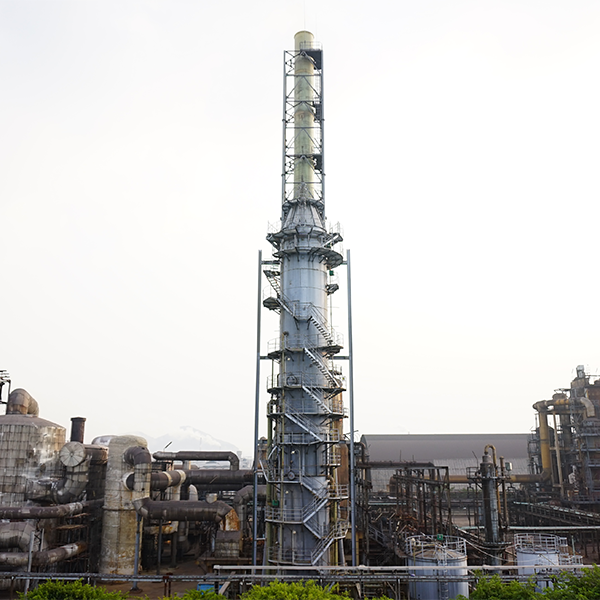 Flue gas desulfurization technology using ammonia
 -
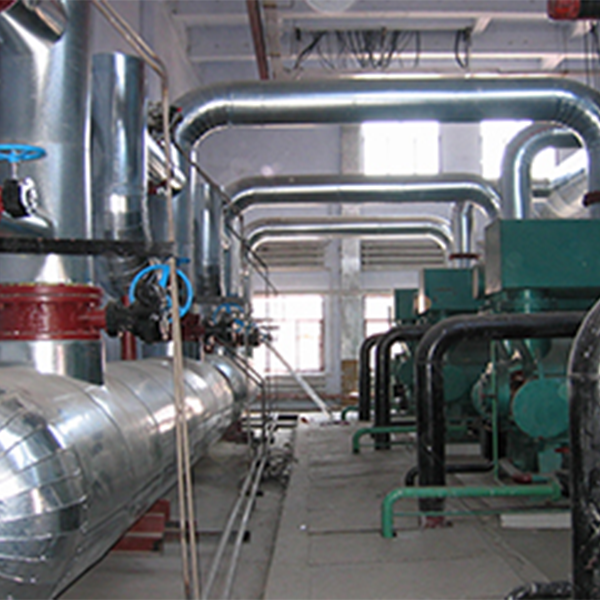 Oxygen production by pressure swing adsorption
 -
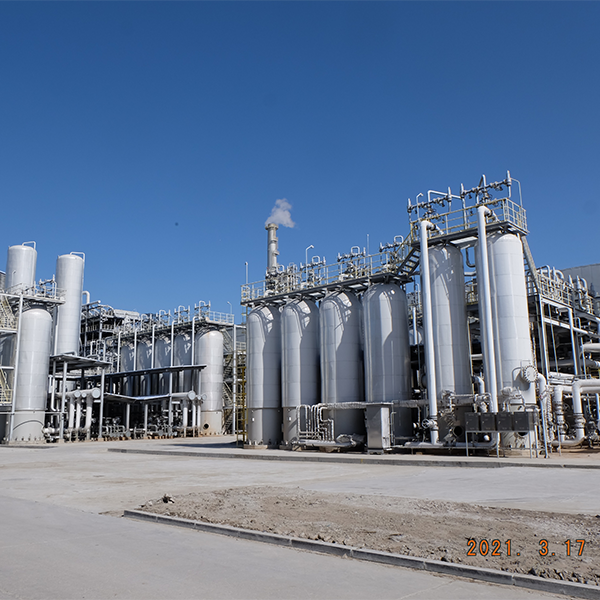 Hydrogen production from coke oven gases
 -
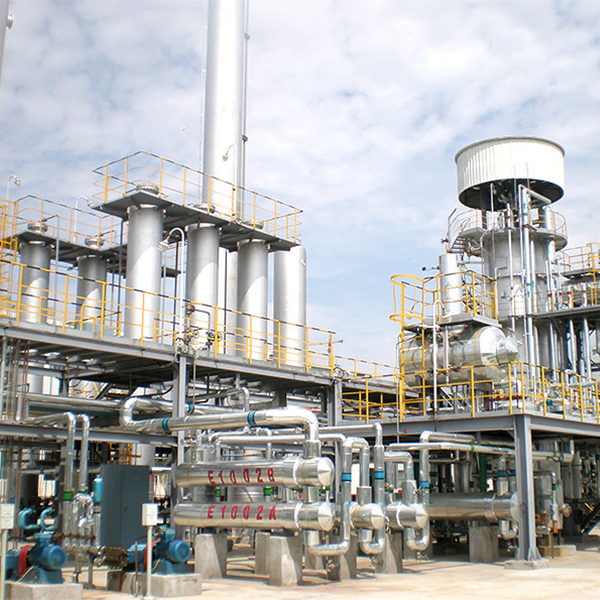 Hydrogen production by conversion of light hydrocarbons with steam
Relatedsearch
Related Search- China Wet Method CO2 Removal Technology Supplier
- China adsorbent price Manufacturer
- China production of adsorbents factories
- construction of a natural gas liquefaction plant
- China Compressor Valve Suppliers
- China Gas Valve Supplier
- China buy valve exporters
- China Liquefied Natural Gas Exporter
- China valve price factory
- China adsorbents preparations list of best Exporter