


construction of a natural gas liquefaction plant
Construction of a liquefied natural gas plant
In recent years, the topic of liquefied natural gas (LNG) has become increasingly relevant. The construction of new liquefaction plants for this fuel is a complex and multi-stage process that carries both benefits and potential risks. Understanding the essence of this process is important for all of us, because it directly affects energy security and the economy.
Construction stages and technological process
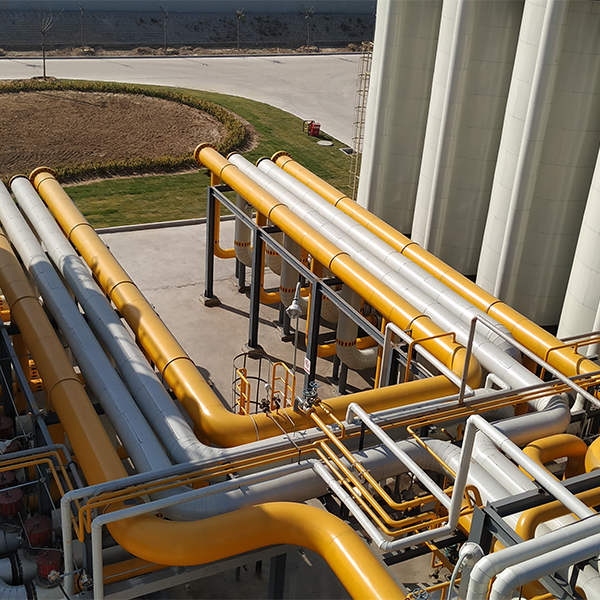
Construction of an LNG plant is a huge project that requires significant investment and experience. It all starts with a thorough analysis of natural gas fields, choosing the optimal geographical location of the future plant, taking into account local conditions and ecology. The next stage is design, which includes the development of a comprehensive gas cooling and liquefaction system, as well as utilities. Construction includes the construction of powerful and complex technological installations, connection to transport and energy infrastructure. The most important thing is the use of advanced technologies to ensure that the entire complex operates as efficiently as possible. It is important to remember that each phase has its own specific quality control and safety requirements.
Advantages and risks of the project
The construction of a liquefied natural gas plant opens up new opportunities for energy exports, creates jobs and stimulates economic growth. This could provide more stable and affordable fuel to different countries, diversifying their energy sources. However, there are also potential risks. The environmental impacts associated with the extraction, transportation and storage of natural gas must be carefully assessed. The risks of industrial accidents, as well as the need for constant monitoring of the quality and safety of plant operations, also require special attention. It is important to put in place robust mechanisms to mitigate these risks and ensure the environmental sustainability of the project.
Impact on society and economy
The construction of an LNG plant has a significant social and economic impact. New jobs in construction, maintenance and plant management are helping to improve living standards in the region. Increasing the availability of natural gas can reduce the cost of energy, which will have a positive impact on various sectors of the economy, from industry to household needs. However, possible negative consequences must be taken into account, such as possible problems with local infrastructure and the need for compensation for possible inconvenience. Effective planning and management of the project remains essential to minimize negative impacts and maximize the positive potential of this project for the entire community.
Correspondingproducts
Related Products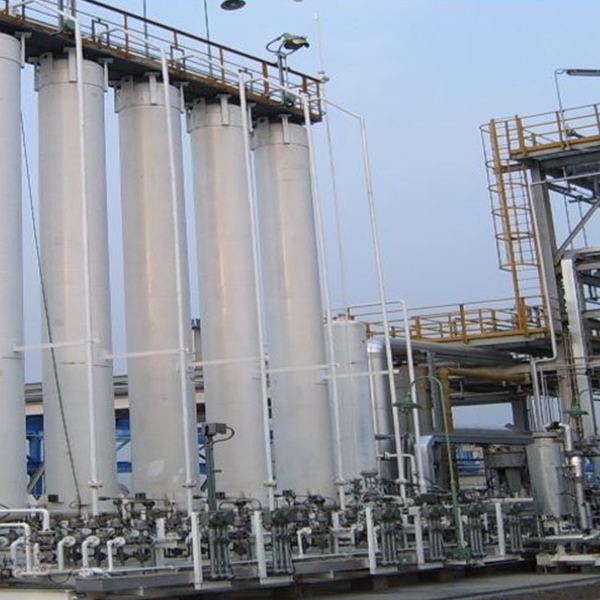
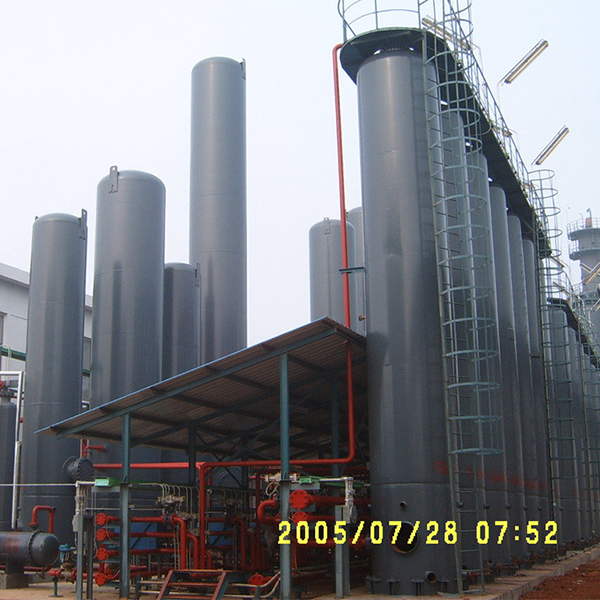
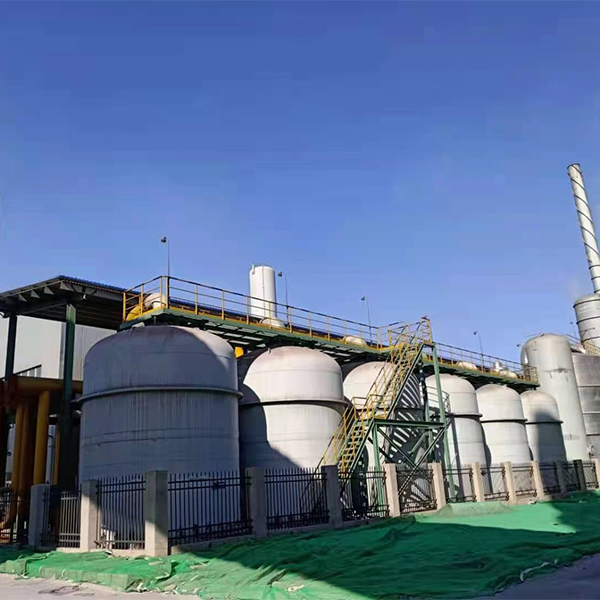
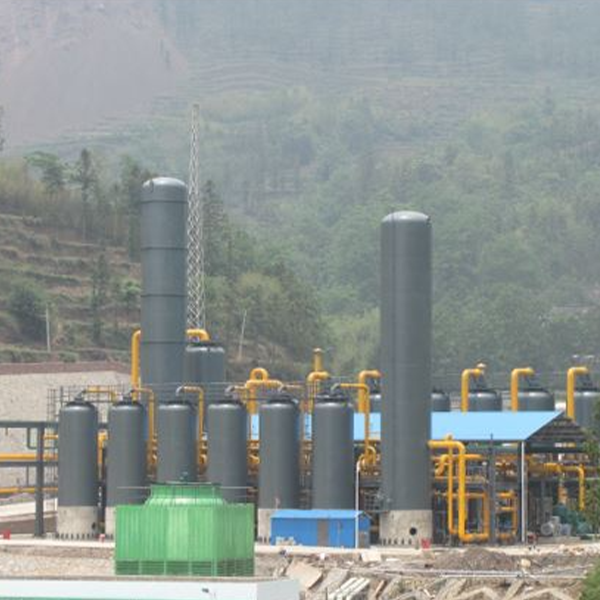

Best Sellingproducts
Best Selling Products-
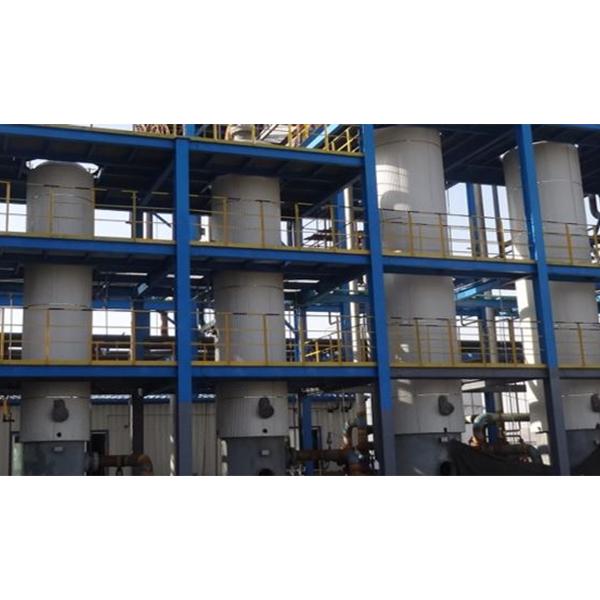 Coal gas organic sulfur fine removal technology
 -
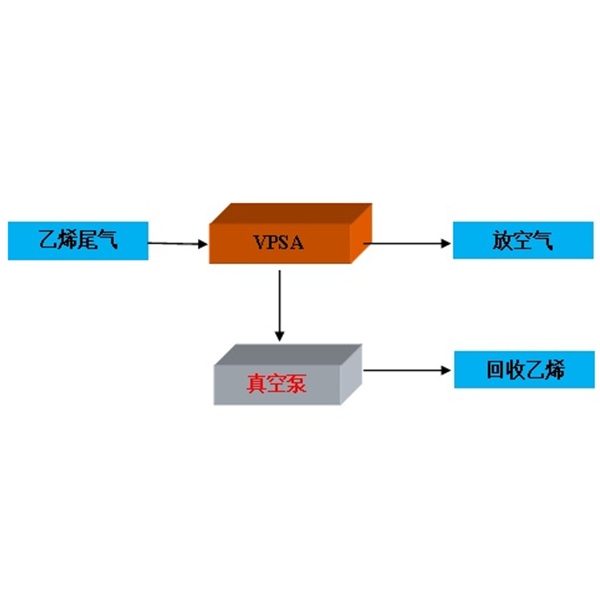 Ethylene tail gas recovery
 -
 Battery material precursor production technology
 -
 Unit desalting and demineralization equipment and special resin
 -
 Technology of desulfurization and CO2 removal using NHD method
 -
 Flue gas desulfurization technology using ammonia
 -
 MPS decarbonization technology
 -
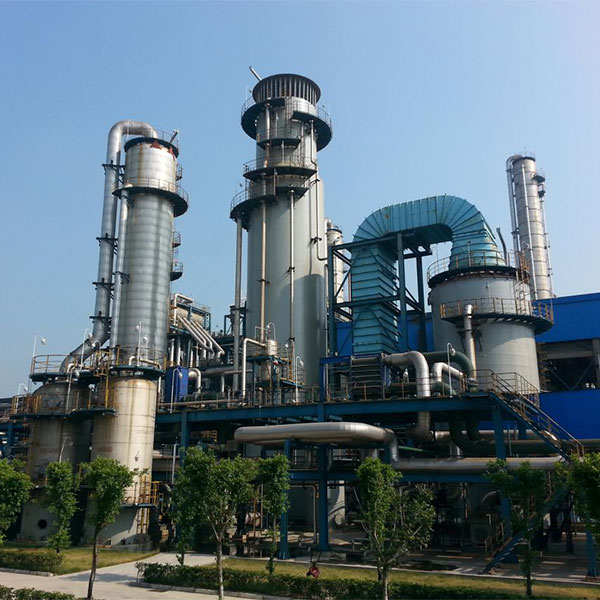 Wet CO2 removal technology
 -
 Hydrogen purification technology by pressure swing adsorption
 -
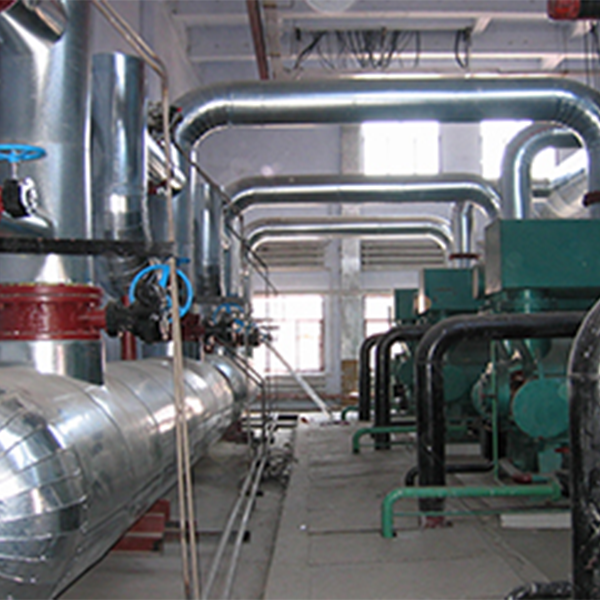 Oxygen production by pressure swing adsorption
 -
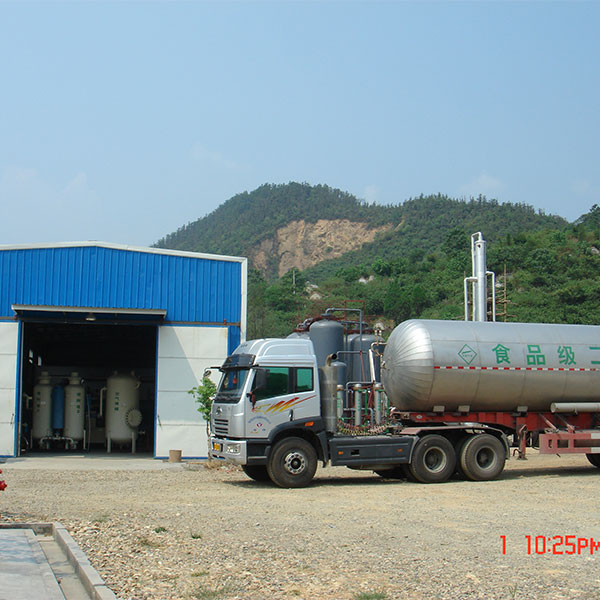 Food grade CO2 purified
 -
 Coke gas purification technology
Relatedsearch
Related Search- China pressure liquefied natural gas products
- What is the name of the unique technology for liquefying natural gas?
- China natural gas liquefaction equipment price
- China coal adsorbent Main buyer country
- China Wet Method CO2 Removal Technology Suppliers
- China zeolite adsorbent factories
- food adsorbent
- desiccant dehumidifier in China
- Wholesale production of oxygen by pressure swing adsorption
- China Ionic Liquid Desulfurization Technology Exporters