

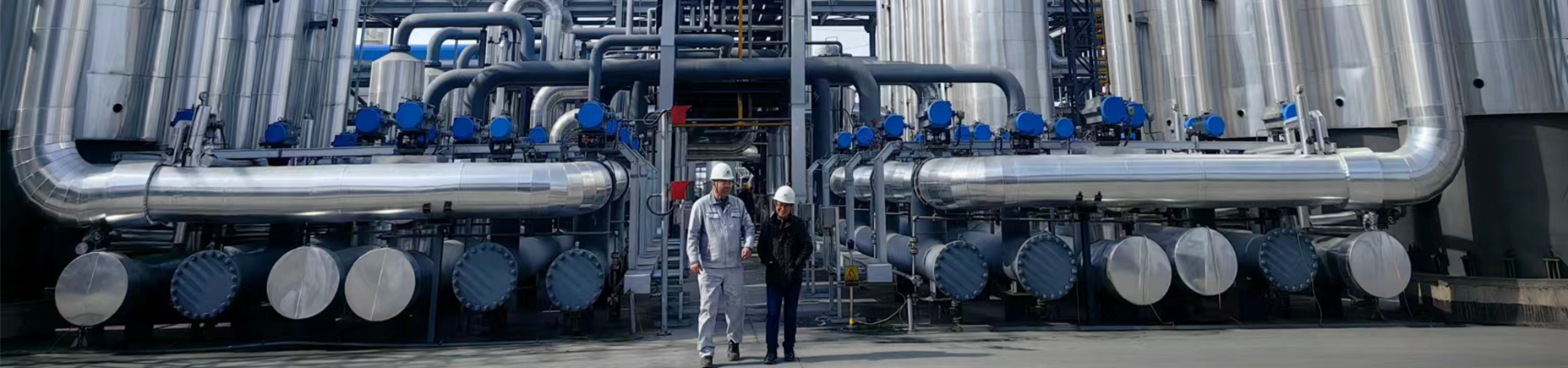
What is the name of the unique technology for liquefying natural gas?
Unique natural gas liquefaction technology
Natural gas, an important source of energy, often has to be transported over long distances. For this, complex technology is used to turn gas into a liquid state - liquefaction. This technology is extremely important for global energy, because in liquid form gas takes up significantly less space, which significantly reduces the cost and volume of transportation. But how does this amazing process happen?
How is natural gas liquefied?
The process of liquefying natural gas is based on physical principles. When a gas is cooled to very low temperatures, close to absolute zero, it turns into a liquid state. This happens in several stages. First, the gas is cleaned of impurities, then cooled to very low temperatures using special refrigeration units, which are like complex “refrigerators” work with incredible power. These plants are based on multi-stage cooling processes, where the gas passes through various stages of temperature reduction, ultimately reaching a liquefaction temperature.
Why liquefy gas?
Liquefied natural gas (LNG) is much more economical and efficient for transportation over long distances than gas. Imagine that you are moving: it is much more profitable to transport things compressed and packed than disassembled. Likewise, LNG takes up ten times less space, which significantly reduces the cost of transportation. This allows gas to be delivered to regions that do not have their own fields, providing the necessary energy for many homes and businesses. In addition, LNG is a relatively clean source of energy compared to other fuels.
Advantages and challenges of liquefaction technology
The advantages are obvious: savings on transportation, the ability to deliver to remote regions, and reduced negative impact on the environment compared to other energy sources. However, liquefaction technologies are not without challenges. It is necessary to develop reliable and safe methods for storing and transporting LNG. In addition, the liquefaction process requires large energy costs, so the use of renewable energy sources in LNG production is playing an increasingly important role. Overall, natural gas liquefaction technology plays a key role in ensuring energy security and the development of the global economy.
Correspondingproducts
Related Products
Best Sellingproducts
Best Selling Products-
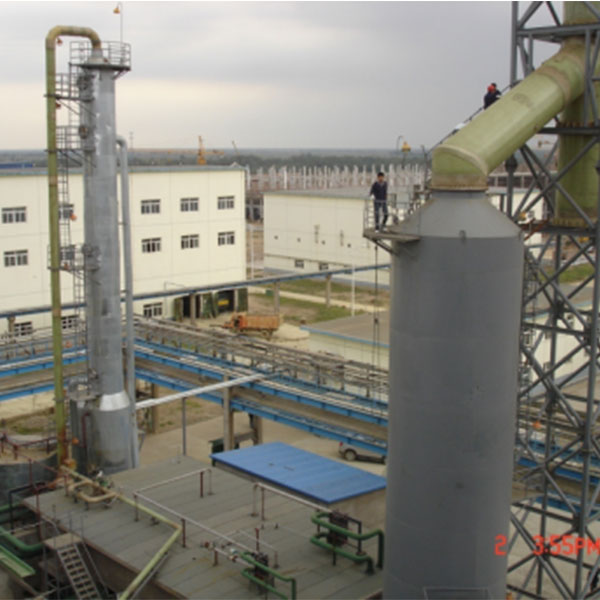 Ionic liquid desulfurization technology
 -
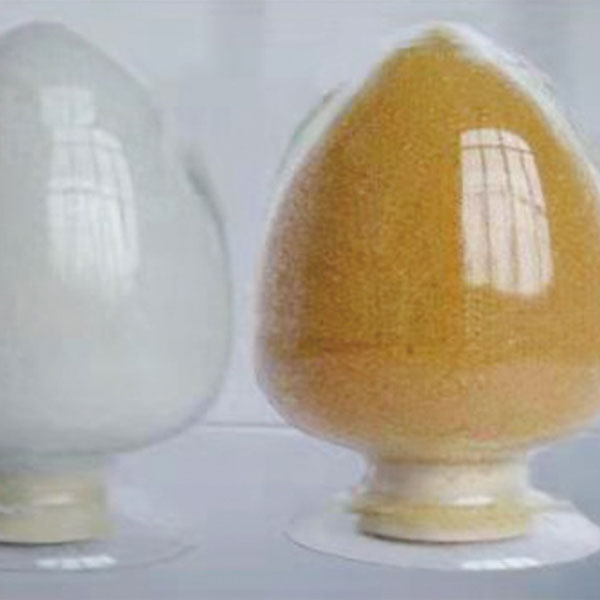 Unit desalting and demineralization equipment and special resin
 -
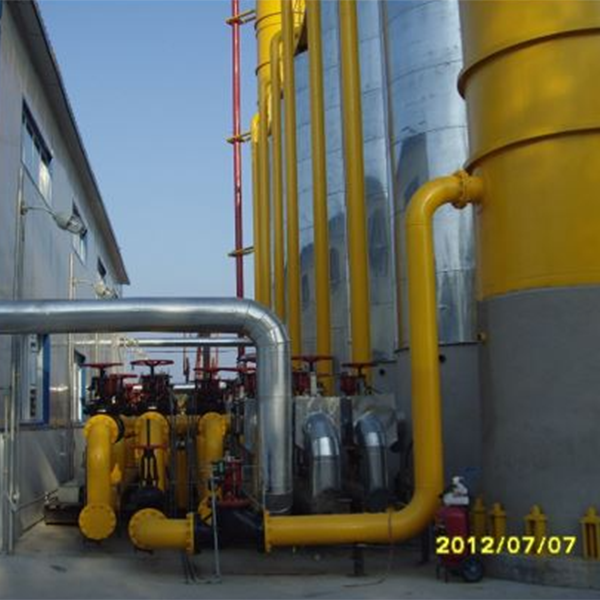 Vinyl chloride recycling technology
 -
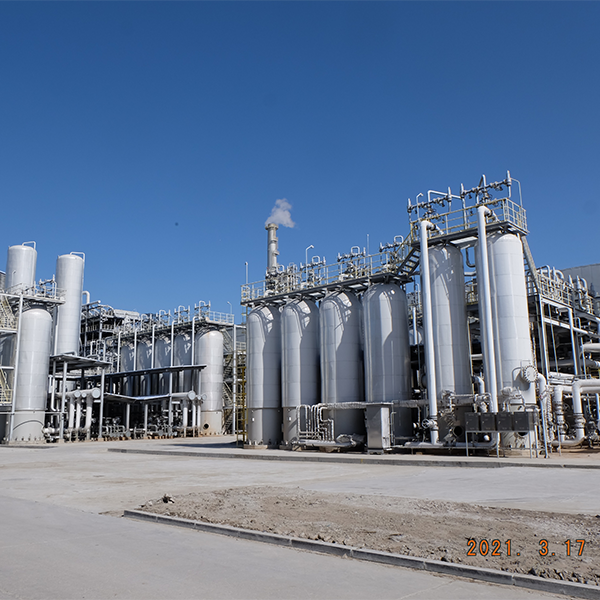 Hydrogen production from coke oven gases
 -
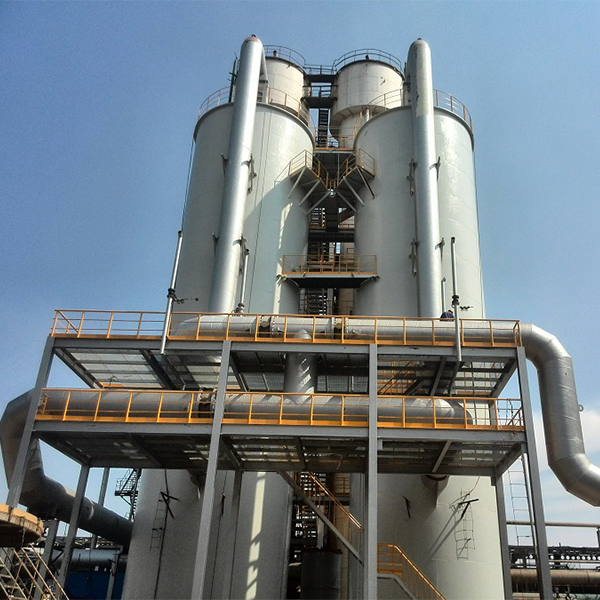 Desulfurization technology using the redox wet method
 -
 Liquefaction of natural gas
 -
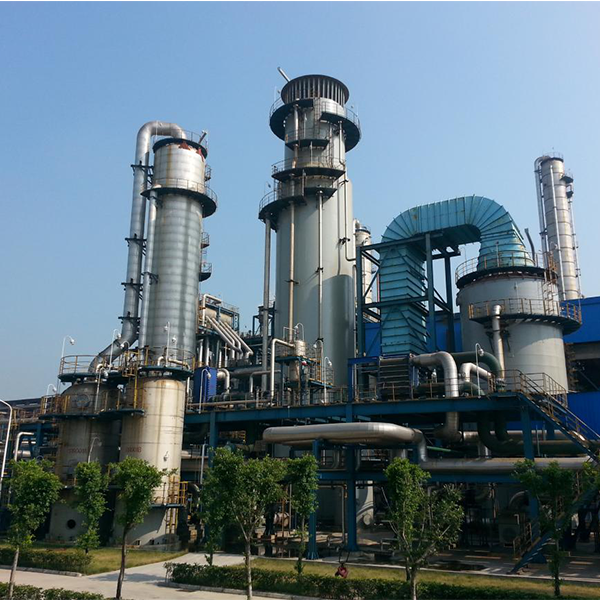 MEA-MDEA-NHD Desulfurization Technology
 -
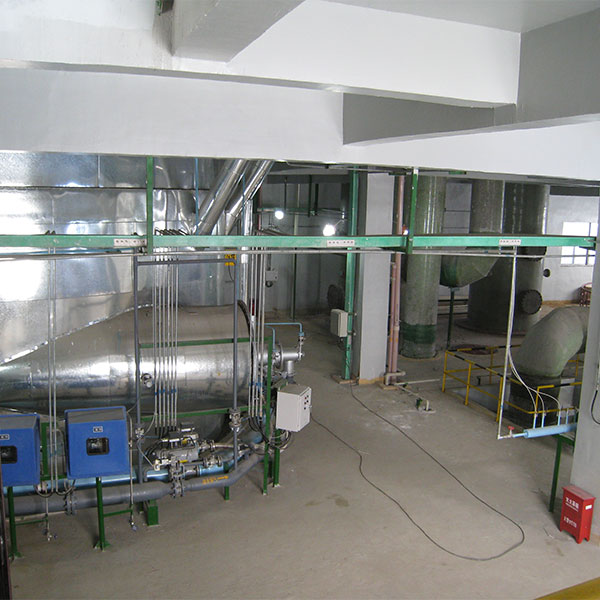 Special acid regeneration equipment
 -
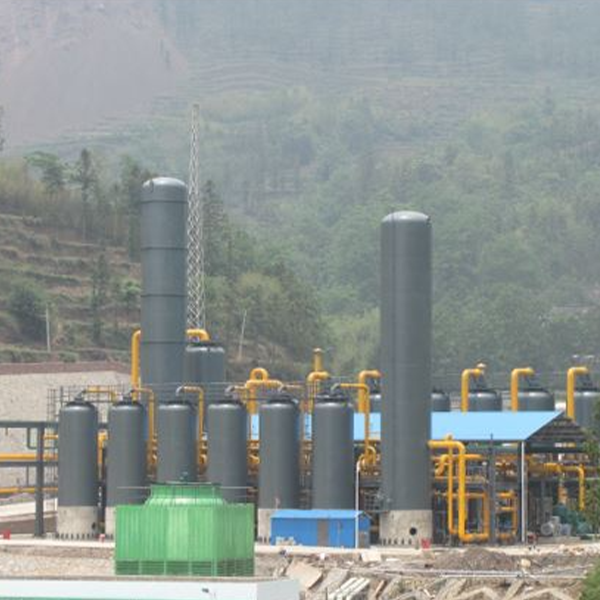 Methane extraction technology - biogas
 -
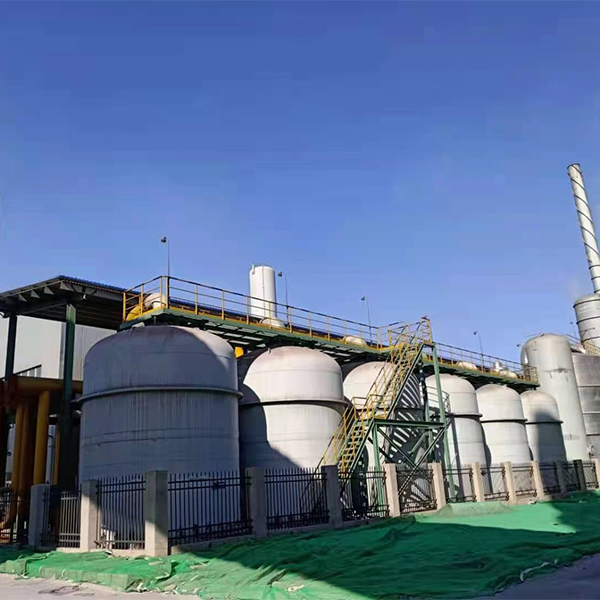 Oxygen purification and utilization
 -
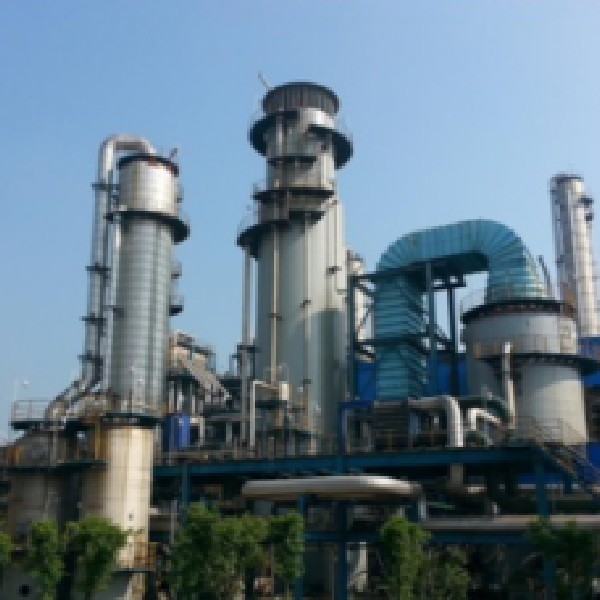 MPS decarbonization technology
 -
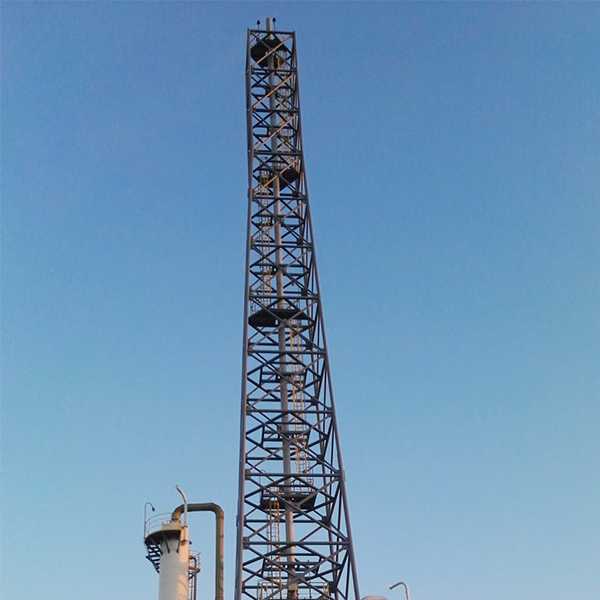 Technology of desulfurization and CO2 removal using NHD method
Relatedsearch
Related Search- Technology for recycling CO2 flue gas plant
- China Ammonia Flue Gas Desulphurization Technology Factory
- China Russian natural gas liquefaction technology Arctic cascade products
- China sorbent adsorbent price
- China Pressure Swing Adsorption Oxygen Production Supplier
- China Crankcase Valve Supplier
- zeolite adsorbent in China
- China three way valve products
- China buy valve exporters
- China crankcase valve exporters