


VOC tail gas disposal
VOC tail gas disposal
Tail gases containing volatile organic compounds (VOCs) are often waste products from industrial processes. These gases can be harmful to the environment and human health, so their disposal is an important task. Imagine that you are preparing a delicious meal, but the smoke from it not only dissipates, but becomes a threat to you and your neighbors. It’s the same with VOCs: although they don’t always smell unpleasant, they are dangerous.
VOC disposal methods: choosing the optimal solution
There are several ways to dispose of VOC tail gas. The simplest one is burning. Let's imagine a special furnace that burns these harmful gases, turning them into safe substances - carbon dioxide and water. However, this method is not always suitable, since sometimes additional purification from impurities is required. Another method is absorption. In this case, gases are passed through special liquids that capture VOC. By analogy, you can imagine how a sponge absorbs dirt. These liquids then require additional processing to extract the VOC, but the absorption method is more environmentally friendly than combustion.
Economic and environmental aspects of recycling
The choice of VOC disposal method depends on many factors, including the composition of the gas, the volume of emissions and the economic capabilities of the enterprise. If combustion is a powerful excavator that quickly solves a problem, then absorption is a more gentle bulldozer technique. It is important to understand that a cost-effective method may not be the best from an environmental point of view. Therefore, the choice must be balanced and take into account the long-term consequences for nature and human health. A balanced approach to the problem will allow you to find the best option. Compliance with environmental standards and the use of advanced technologies is not just a requirement, but a contribution to the future, to the health of people and the environment.
Technologies of the future: innovative solutions
Modern technologies offer innovative solutions for VOC disposal. For example, catalytic oxidation technologies can efficiently and safely convert VOCs into harmless compounds at lower temperatures. Imagine using not only the power of fire, but also a special catalyst that helps transform gases into useful substances. Also, technological developments make it possible to develop more efficient and environmentally friendly absorption methods, minimizing the impact on the environment. The future of VOC recycling looks promising and has the potential to protect our world from harmful impacts.
Correspondingproducts
Related Products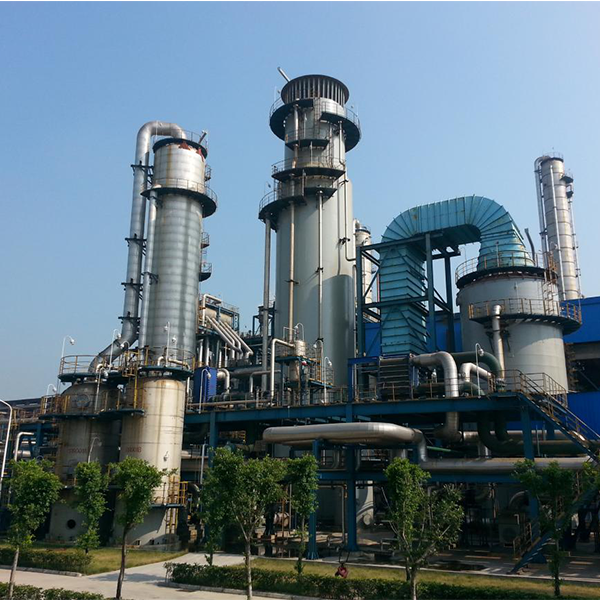
Best Sellingproducts
Best Selling Products-
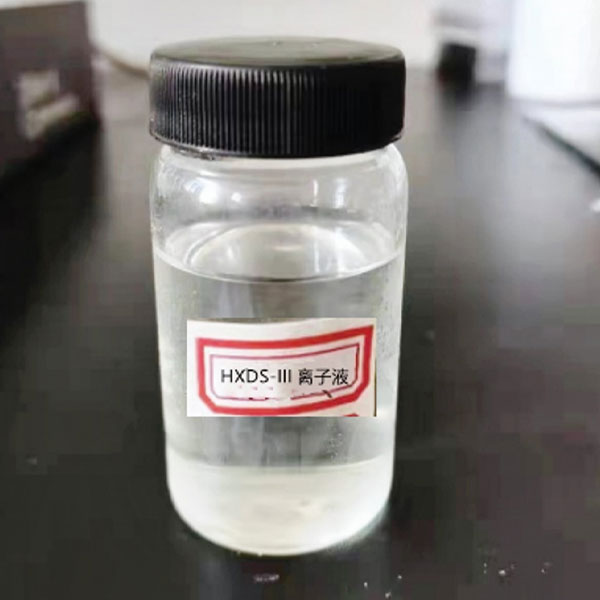 Ionic liquid desulfurizer
 -
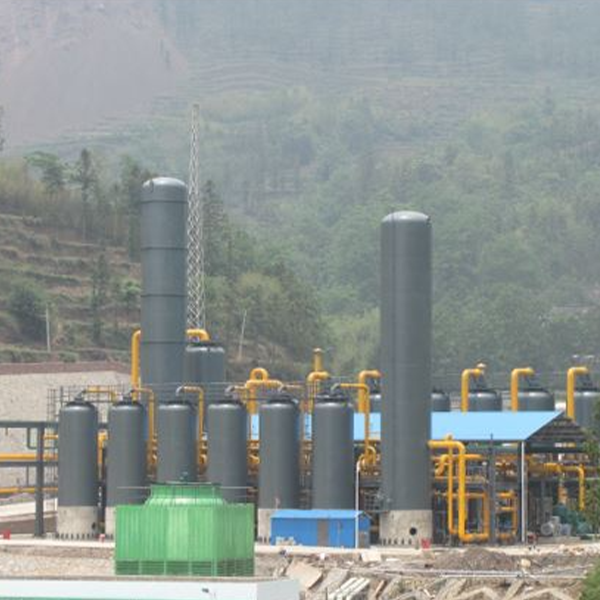 Methane extraction technology - biogas
 -
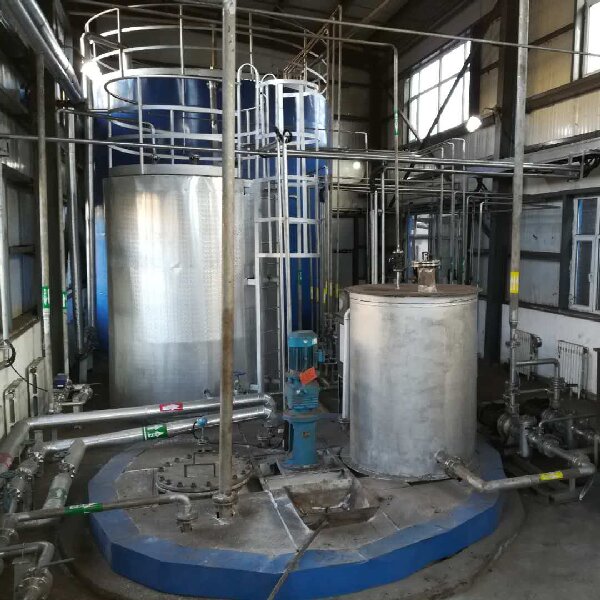 Flue gas denitrification SCR、SNC
 -
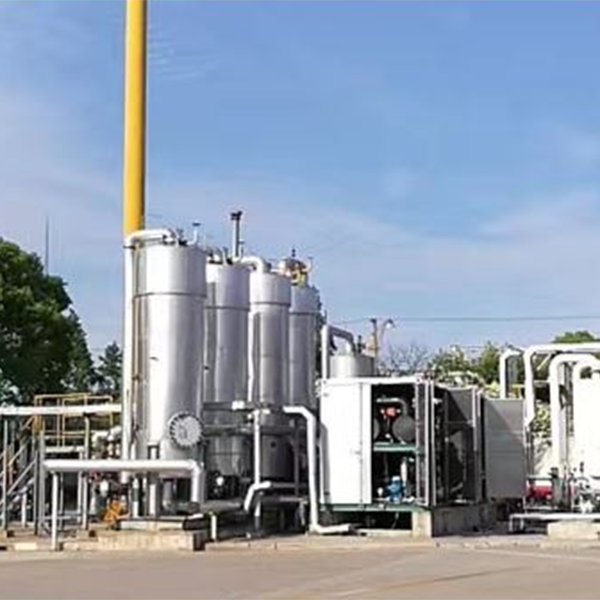 VOC tail gas disposal
 -
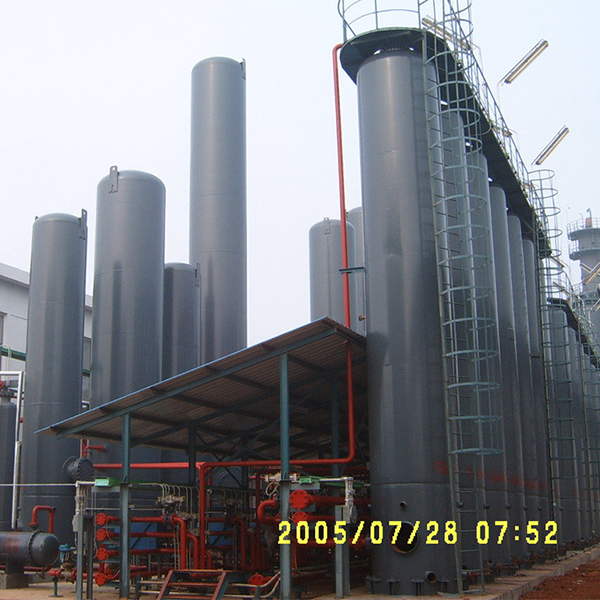 CO removal by pressure swing adsorption
 -
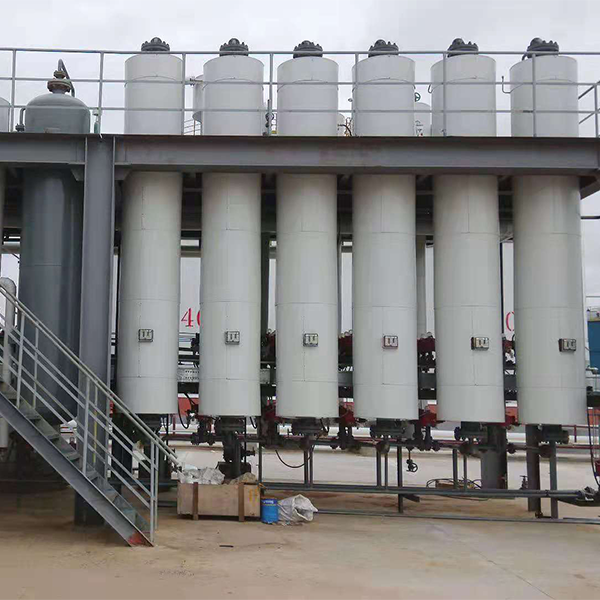 Hydrogen production by splitting methanol
 -
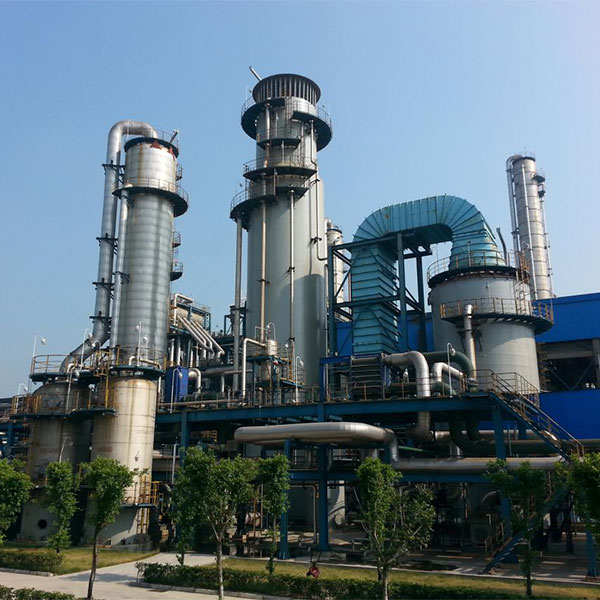 Wet CO2 removal technology
 -
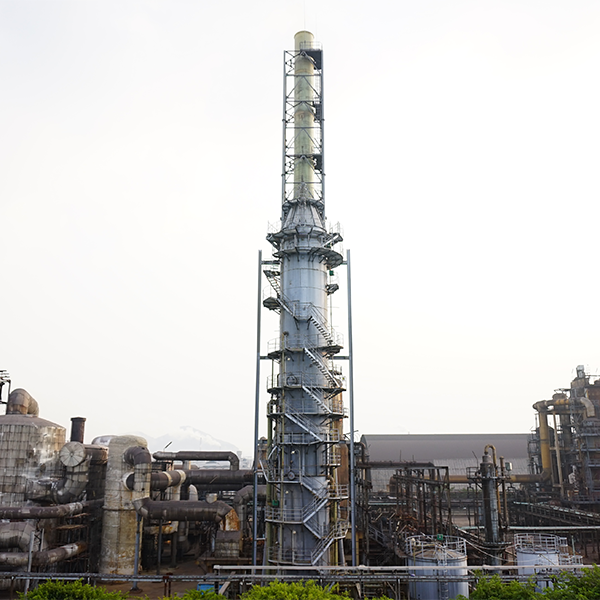 Flue gas desulfurization technology using ammonia
 -
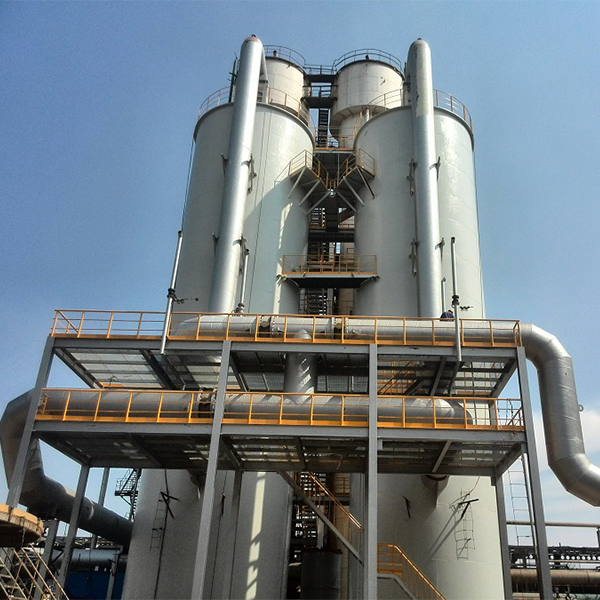 Desulfurization technology using the redox wet method
 -
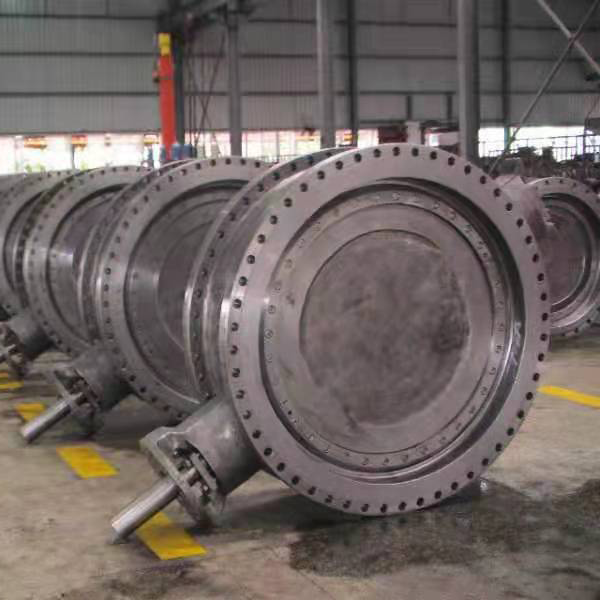 Valve
Valve -
 MPS decarbonization technology
 -
 Food grade CO2 purified
Relatedsearch
Related Search- China gas adsorbents factory
- China Natural Gas Liquefaction Pressure Suppliers
- China Vinyl chloride recycling technology exporters
- China Valve Manufacturer
- China Wet redox desulphurization technology products
- China adsorbent production exporters
- Valve
- Nitrogen production by pressure swing adsorption supplier
- natural gas liquefaction plant
- China sorbent adsorbent Main buyer country