

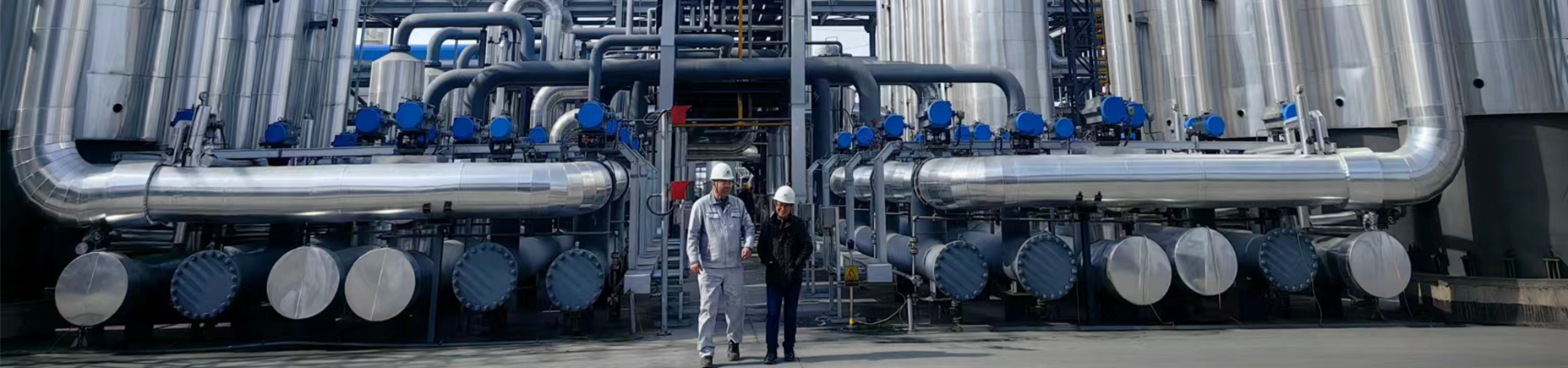
Valve
Valve
A valve is, roughly speaking, a kind of flow regulator. Imagine a water tap - it either opens or closes the passage for water, controlling its volume and speed. The valve performs the same function in a variety of systems, from plumbing to complex machines and even in our own bodies.
Types of valves and their functions
There are a huge number of types of valves, each designed to perform a specific task. For example, a ball valve is as easy to operate as a faucet. It is either open or closed. A valve valve, on the contrary, allows you to regulate the flow of liquid or gas smoothly, gradually changing the degree of opening. Shut-off valves are designed to stop the flow completely, just as if you turned off a faucet completely. There are also valves that prevent backflow by preventing liquid or gas from flowing in the wrong direction, like the safety valve on a kettle that prevents an explosion.
Use of valves in everyday life
Valves are found all around us. In cars they regulate the supply of fuel and coolant. In homes, in addition to plumbing, they are used in heating and ventilation systems, controlling temperature and air circulation. Even in life support systems such as gas and sewerage, valves play a key role in ensuring safe and efficient operation. In the food industry, where safety and process control are of paramount importance, valves are indispensable. In general, they are invisible but irreplaceable helpers in our world.
The role of valves in more complex systems
In more complex technical systems, valves can perform more advanced functions. For example, in pressure control systems, they act as safety mechanisms to prevent overloads. In the chemical industry, valves are used to precisely control chemical reactions. In medicine, valves are used in cardiac devices to help regulate blood flow. They represent a key element ensuring reliability, efficiency and safety in various technical systems.
Correspondingproducts
Related Products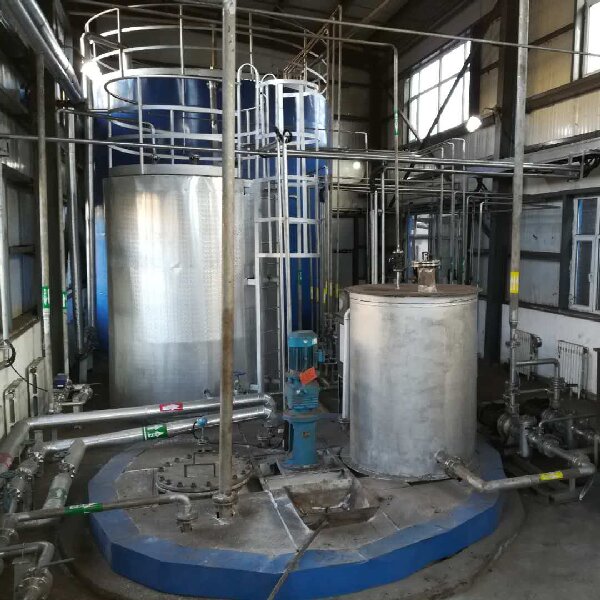
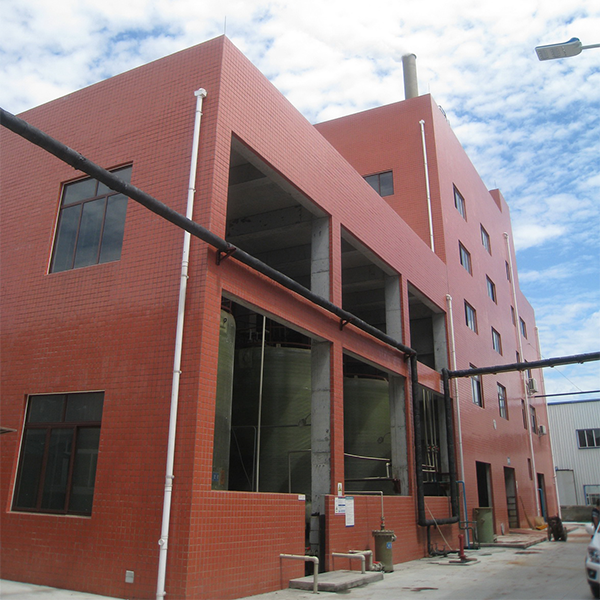
Best Sellingproducts
Best Selling Products-
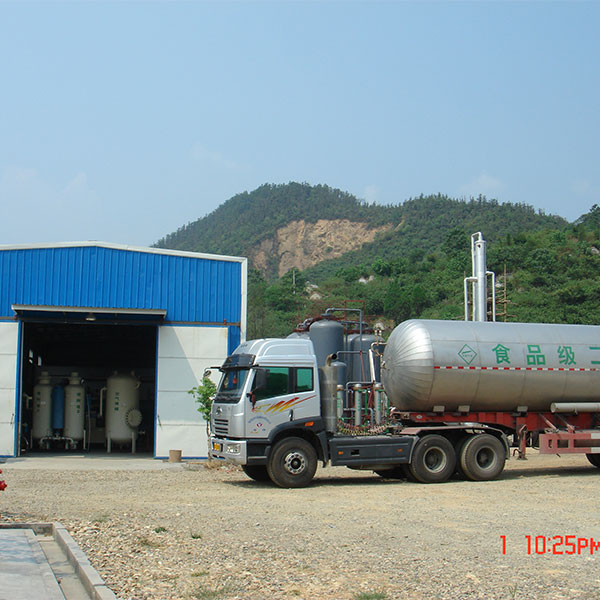 Food grade CO2 purified
 -
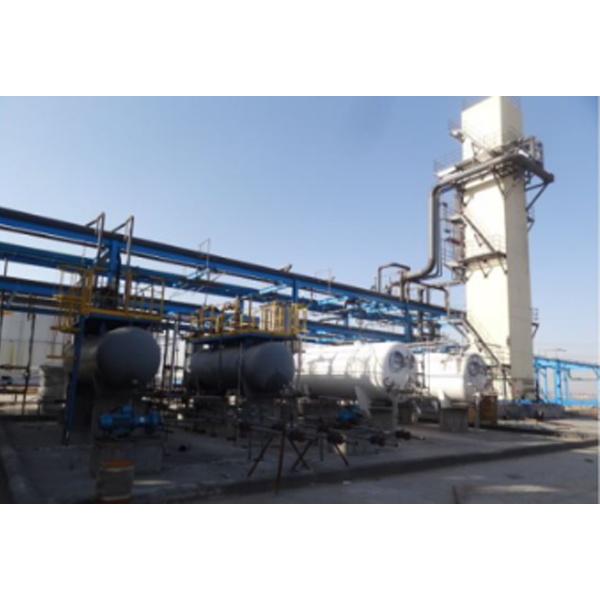 Liquefaction of natural gas
 -
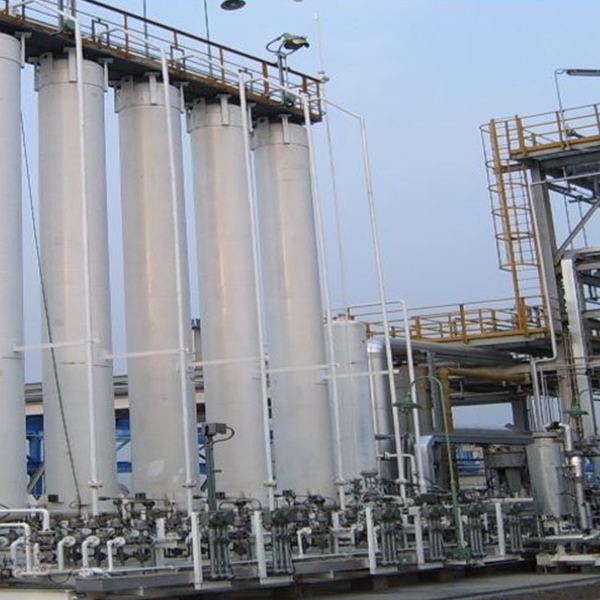 Argon purification
 -
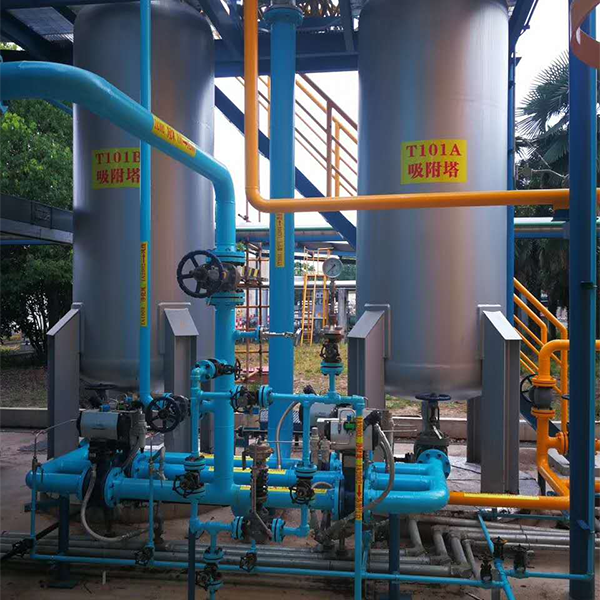 Nitrogen production by pressure swing adsorption
 -
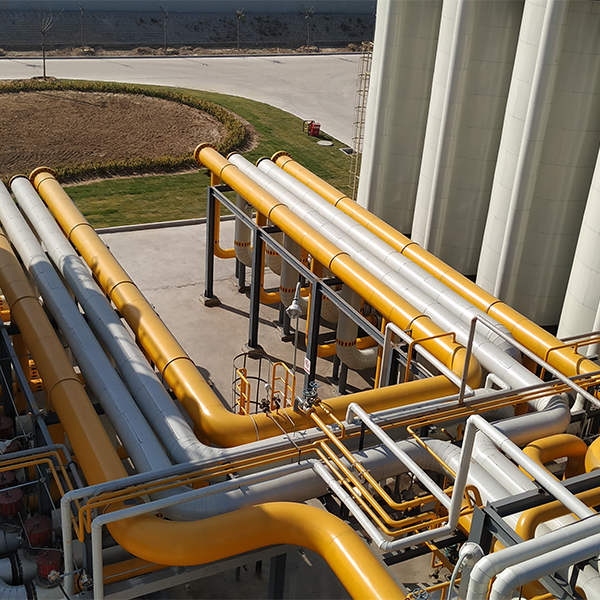 Coke gas purification technology
 -
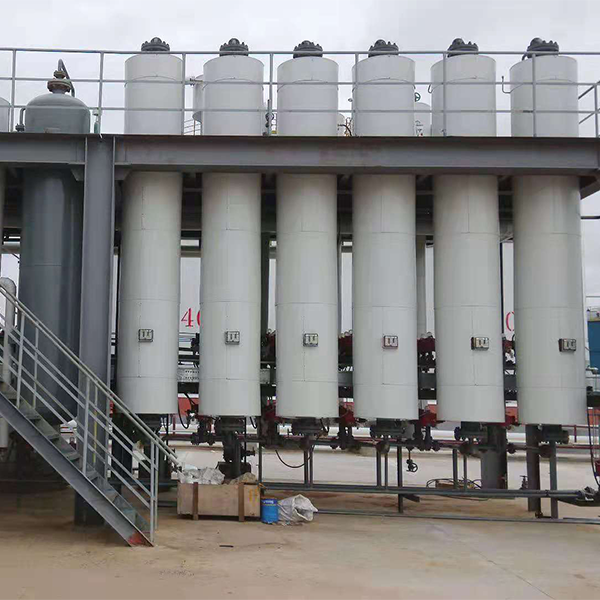 Hydrogen production by splitting methanol
 -
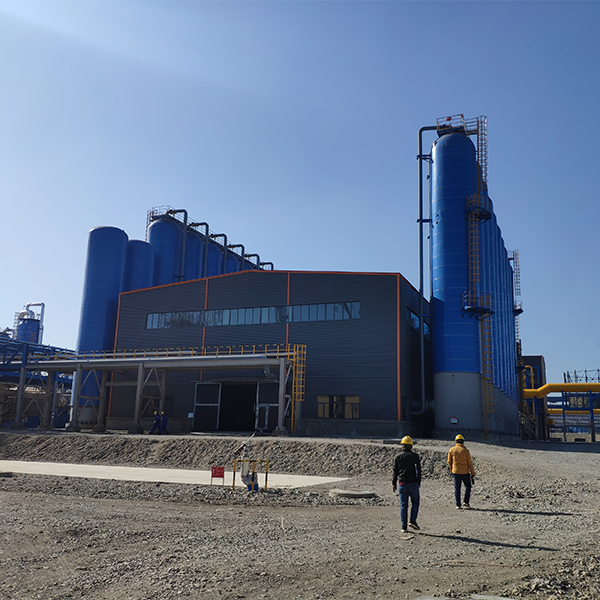 Hydrogen production by coal gasification
 -
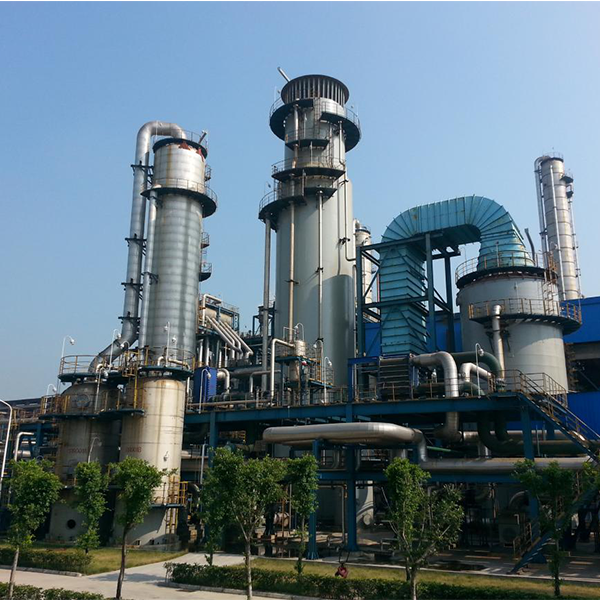 MEA-MDEA-NHD Desulfurization Technology
 -
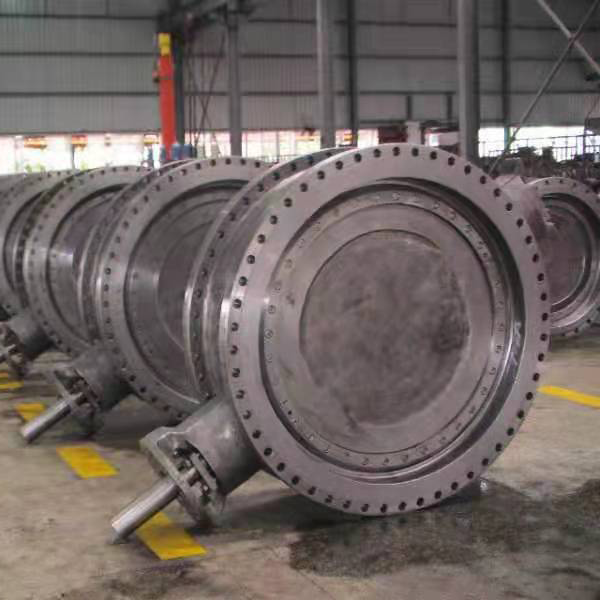 Valve
Valve -
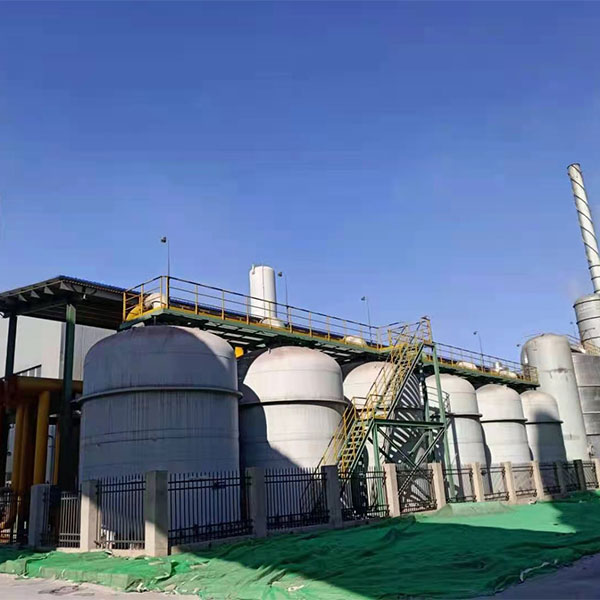 CO2 removal by pressure swing adsorption
 -
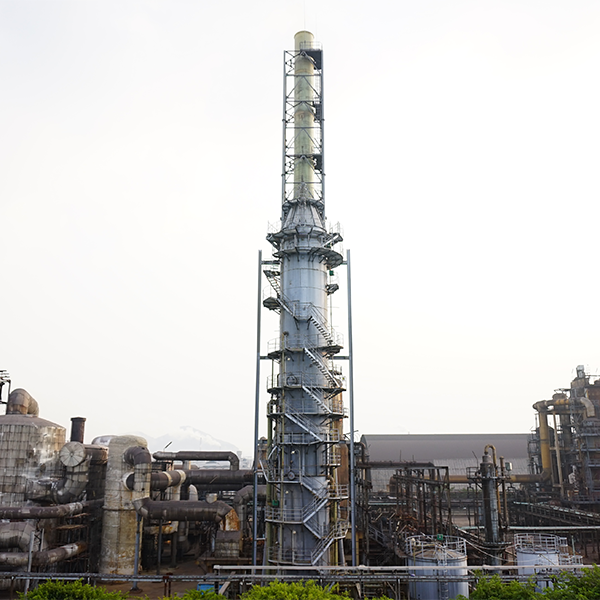 Flue gas desulfurization technology using ammonia
 -
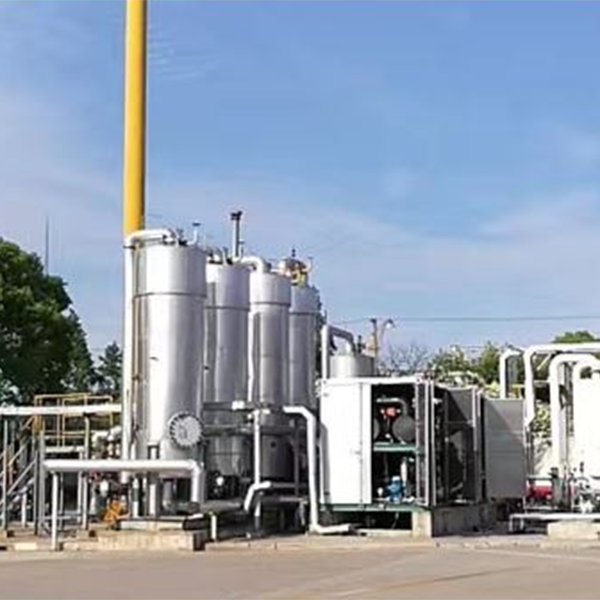 VOC tail gas disposal
Relatedsearch
Related Search- China adsorbents activated carbon products
- China Hydrogen purification technology by pressure swing adsorption price
- Adsorbent plant
- China desiccant desiccant products
- China Hydrogen purification technology by pressure swing adsorption exporters
- China adsorbents drugs exporters list
- China adsorbents drugs product list
- China natural adsorbent factories
- China name of adsorbents Main country of buyer
- China Wet CO2 Removal Technology Exporters