

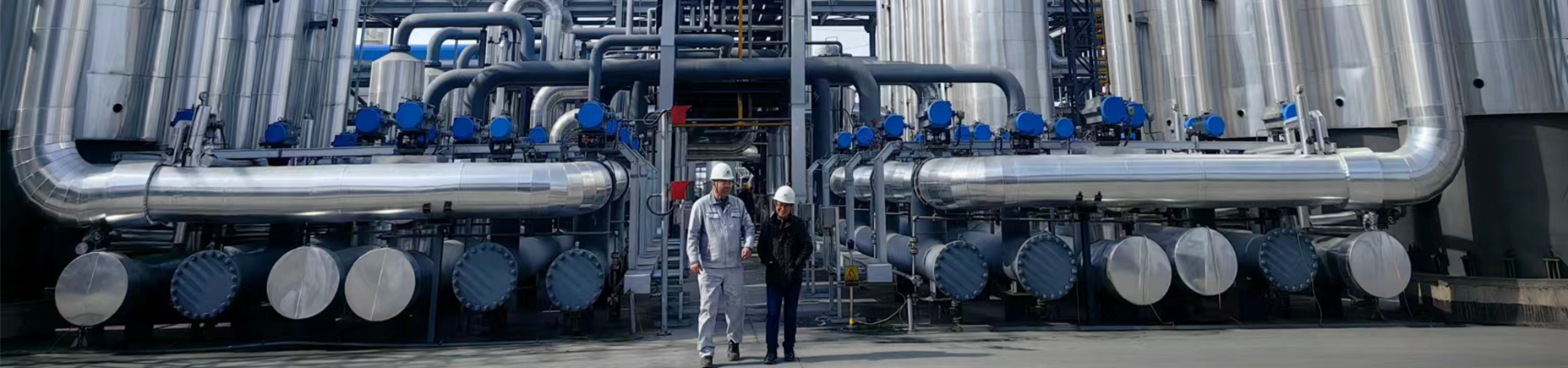
Ionic liquid desulfurization technology manufacturer
Ionic liquid desulfurization technology manufacturer
The use of ionic liquids to remove sulfur from fuels is a promising technology that can significantly improve the environmental situation. Imagine if we could purify fuel without polluting the environment or increasing the cost of fuel. This is precisely what manufacturers are striving to achieve when developing and implementing desulfurization technology using ionic liquids.
What are ionic liquids and how do they work?
Ionic liquids are special, usually liquid at room temperature, substances consisting of ions. They have unique properties that make them attractive for chemical processes, including desulfurization. They can effectively dissolve sulfur, similar to clever solvents that can extract sulfur from fuel without affecting other important components. The process is reminiscent of how we separate contaminants from water, only in this case the fuel is purified.
Benefits of Using Ionic Liquids for Desulfurization
The use of ionic liquids in desulfurization has a number of advantages. Firstly, this is a very efficient process that allows you to remove sulfur with a high degree of purity. Secondly, it is often more environmentally friendly than traditional methods. Ionic liquids are typically non-toxic and can be reused, reducing environmental impact and saving resources. Thanks to these features, the technology allows fuel producers to reduce emissions of sulfur compounds into the atmosphere, helping to keep our planet cleaner.
Prospects and challenges
Now the technology is at the stage of active development. Manufacturers continue to research to make the technology more accessible and cost-effective. It is important to consider the cost of producing ionic liquids, as well as to develop effective ways to dispose of them after use. However, the prospects for this technology are very optimistic. Advances in technology and improvements in the production of ionic liquids are paving the way for cleaner, more efficient ways to produce fuels. In the future, desulfurization using ionic liquids may become the standard for fuel purification on a global scale.
Correspondingproducts
Related Products
Best Sellingproducts
Best Selling Products-
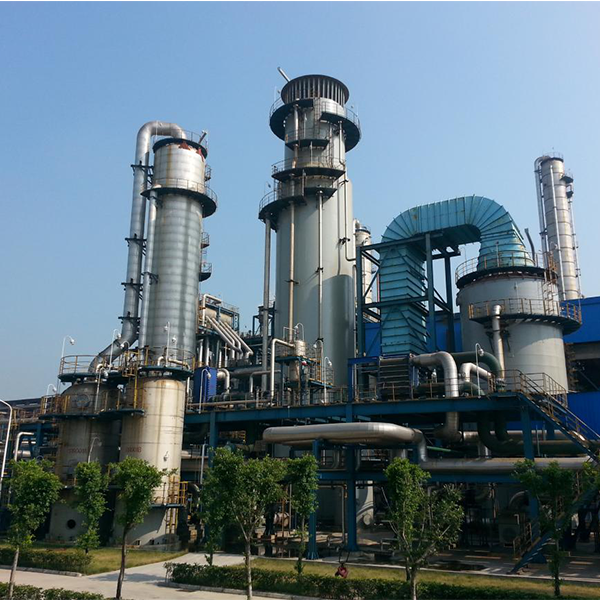 MEA-MDEA-NHD Desulfurization Technology
 -
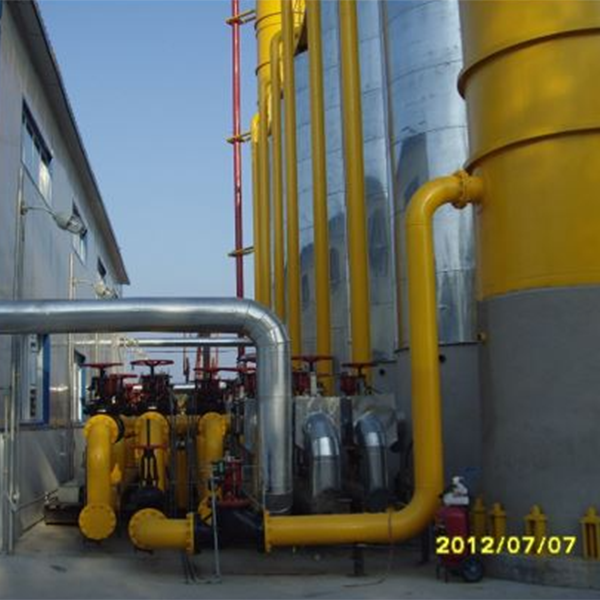 Vinyl chloride recycling technology
 -
 Battery material precursor production technology
 -
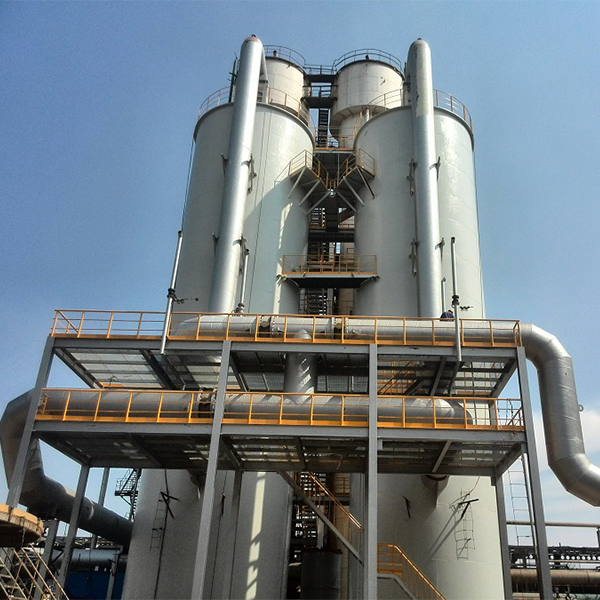 Desulfurization technology using the redox wet method
 -
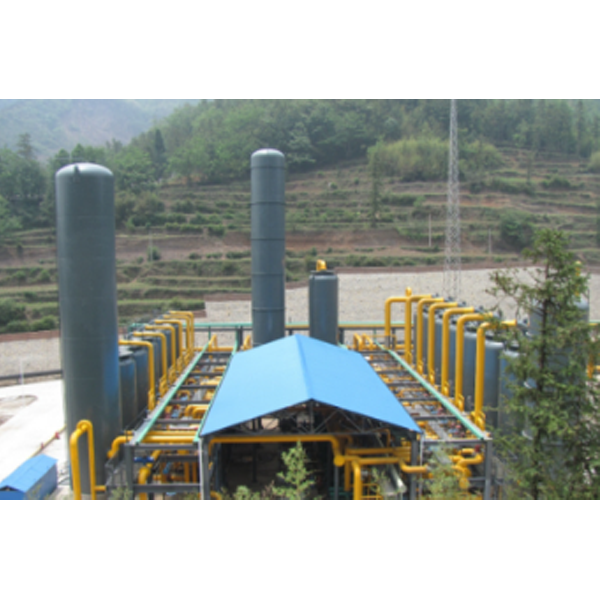 Methane extraction technology – coalbed methane
 -
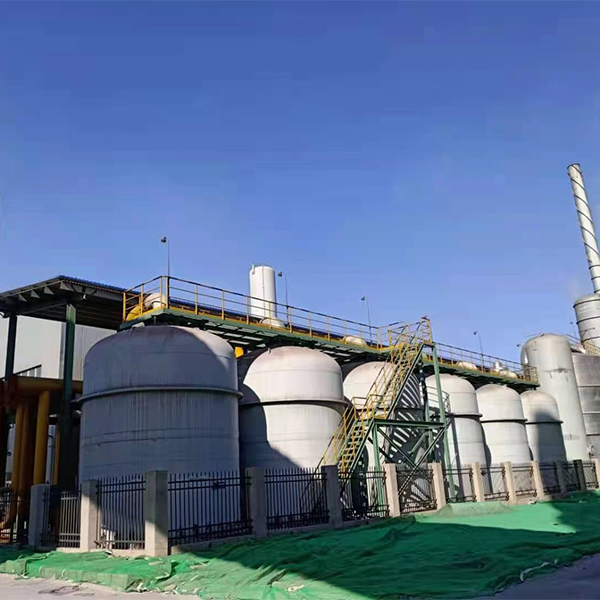 Oxygen purification and utilization
 -
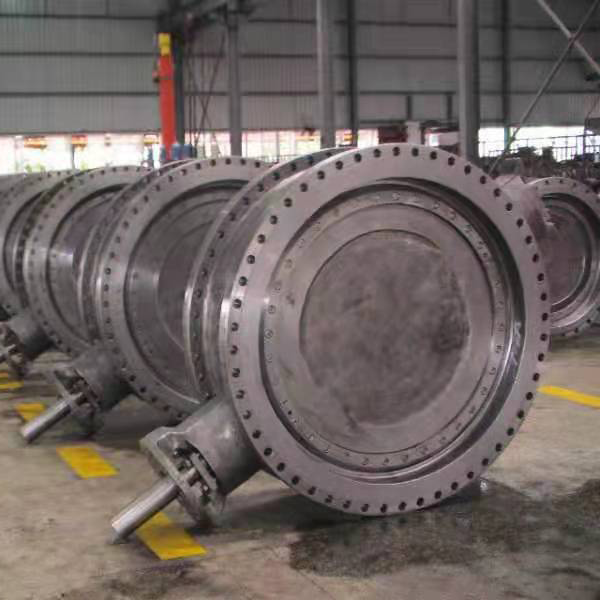 Valve
Valve -
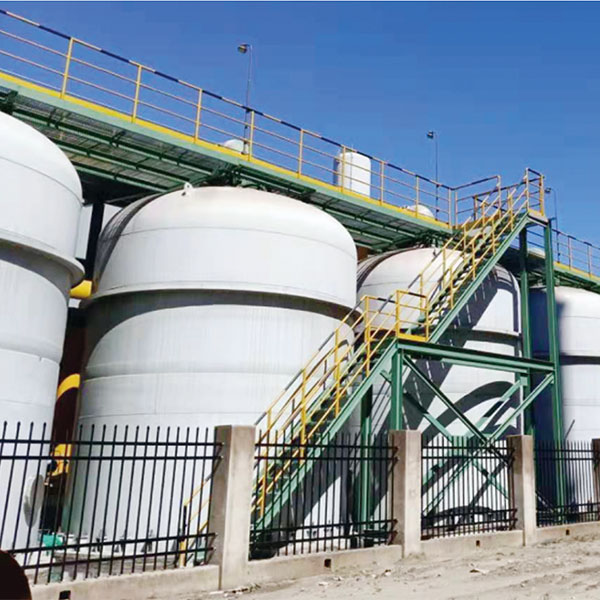 Flue gas CO2 recovery technology
 -
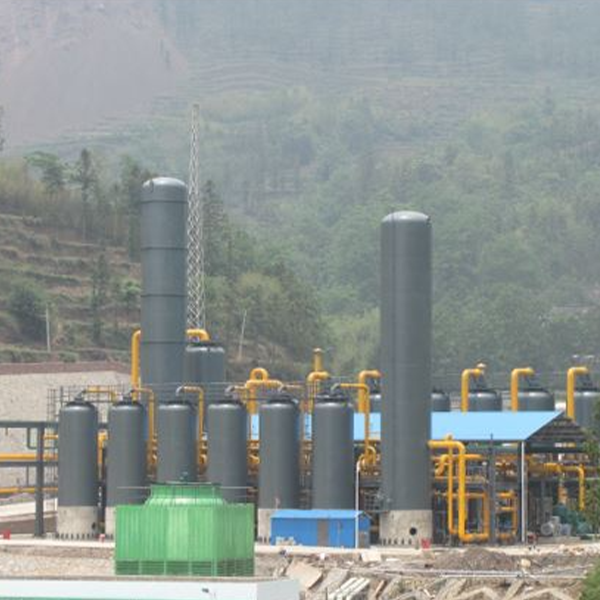 Methane extraction technology - biogas
 -
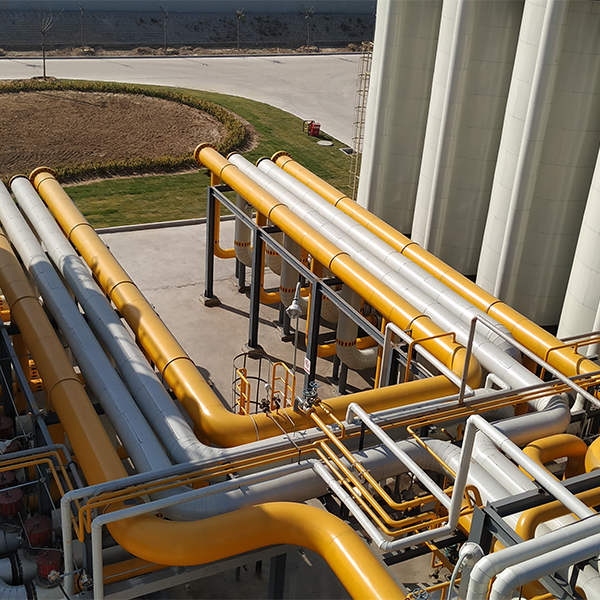 Coke gas purification technology
 -
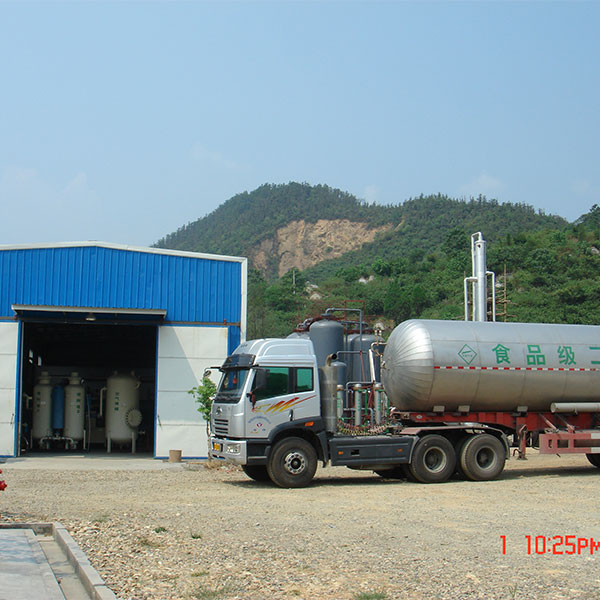 Food grade CO2 purified
 -
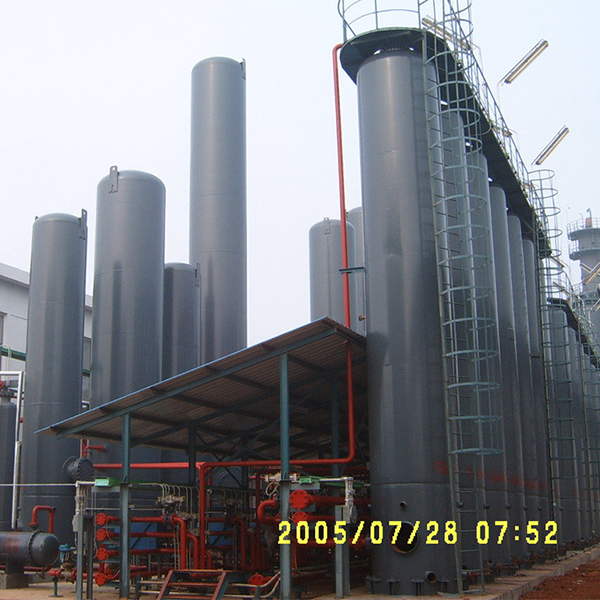 CO removal by pressure swing adsorption
Relatedsearch
Related Search- China injector valve products
- China ventilation valve factory
- China Natural Gas Liquefaction Equipment Supplier
- China Control Valve Supplier
- China natural gas liquefaction plant
- China MEA/MDEA/NHD Desulfurization Technology Main Buyer Country
- China pressure liquefied natural gas exporters
- Name of natural gas liquefaction process
- China fuel valve factories
- mycotoxin adsorbent supplier