

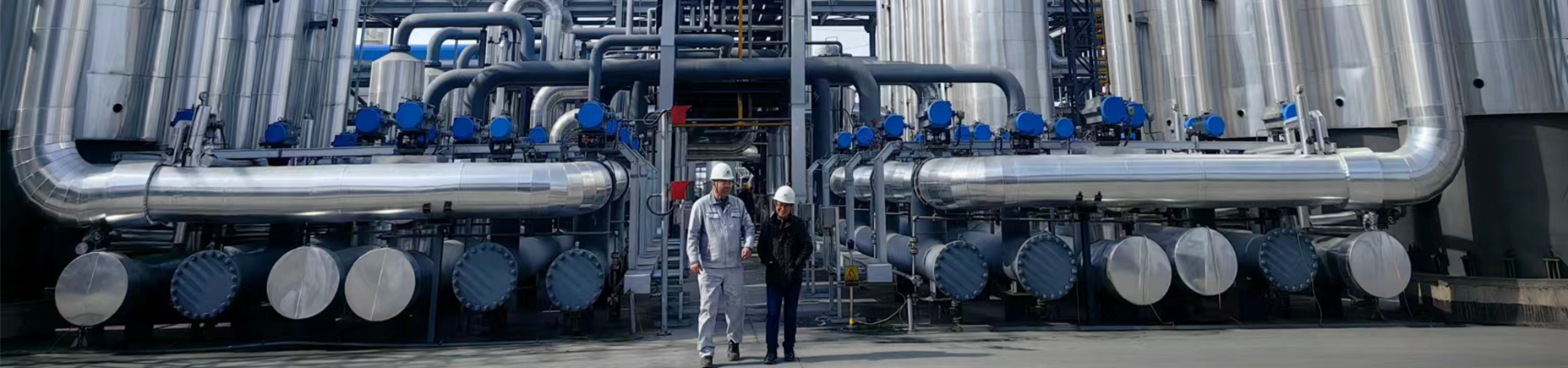
CO2 flue gas recovery technology manufacturer
CO2 flue gas recovery technology manufacturer
Modern industrial enterprises are often faced with the need to effectively utilize carbon dioxide (CO2) generated during the production process. The release of this gas into the atmosphere has a negative impact on the environment, exacerbating the greenhouse effect. Therefore, the development and implementation of CO2 utilization technologies are becoming increasingly relevant and in demand. Manufacturers, aware of this problem, are investing in new technologies to not only reduce their environmental footprint, but also potentially gain additional profit from using the captured CO2.
Various CO2 recovery methods
There are several ways to capture and use CO2 from flue gases. One of the most common is absorption, when special solutions absorb CO2 from a gas stream. Another method is membrane technologies, where CO2 is separated from other gases using semi-permeable membranes. The choice of a specific method depends on the characteristics of production, the type of fuel used and other factors. It is important to understand that the effectiveness of each method may vary.
Advantages and disadvantages of different approaches
Each method of CO2 capture has its own advantages and disadvantages. For example, absorption technologies can be quite expensive to implement, but they are often more effective at dealing with large volumes of CO2. Membrane technologies, on the other hand, may be more cost-effective for small businesses, but may not be able to absorb as large a volume of gas. It is also important to take into account the energy costs of the process of capturing and subsequent processing of CO2. The optimal option is usually selected individually, taking into account all these factors.
Prospects and future of CO2 utilization
As CO2 utilization technologies develop, more and more opportunities arise for the use of this gas in various industries. For example, it can be used in the production of building materials, as a raw material in the chemical industry, or as a component in the food industry. Further research and development in this area will undoubtedly lead to new efficient and cost-effective CO2 recovery methods that will contribute to more sustainable production and environmental protection. This task requires the joint efforts of manufacturers, scientists and government agencies to achieve maximum effect.
Correspondingproducts
Related Products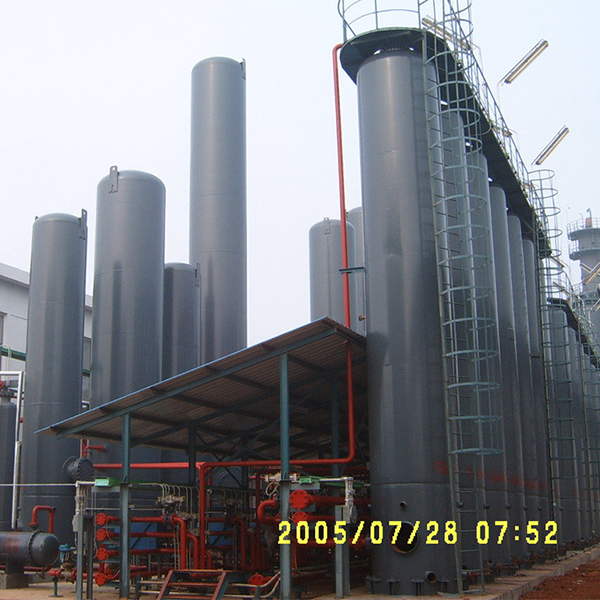
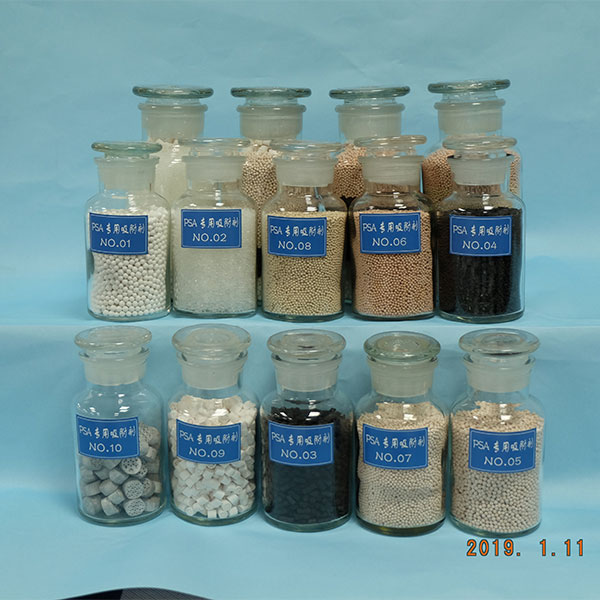
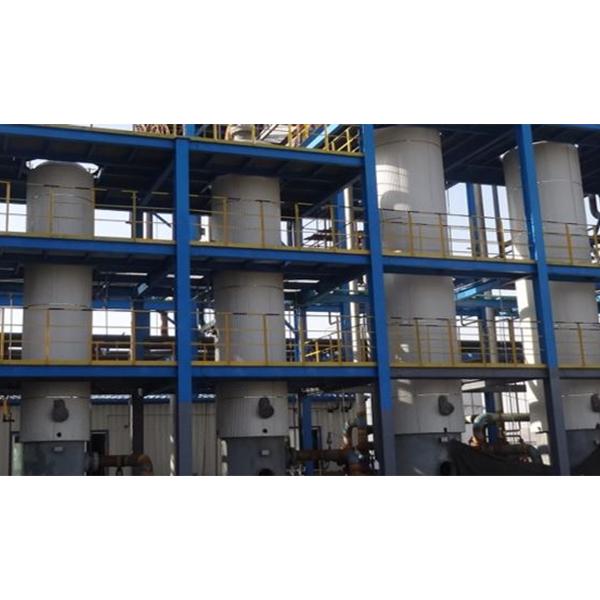
Best Sellingproducts
Best Selling Products-
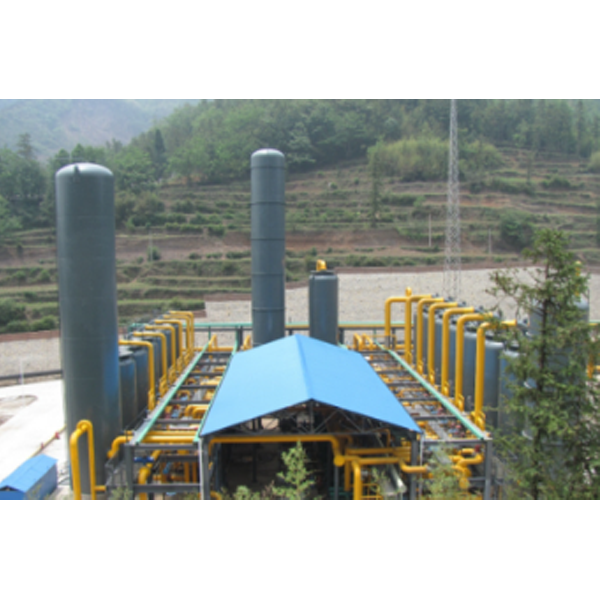 Methane extraction technology – coalbed methane
 -
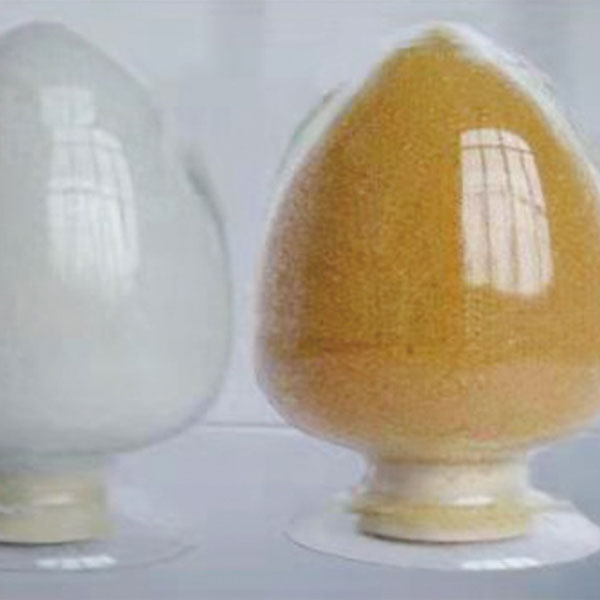 Unit desalting and demineralization equipment and special resin
 -
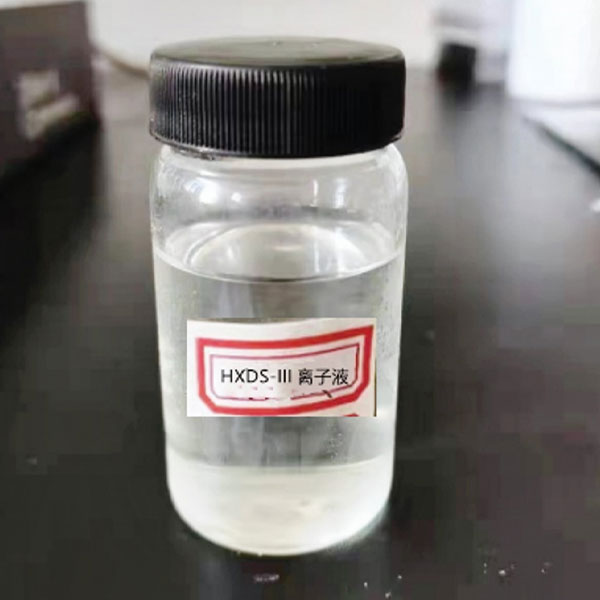 Ionic liquid desulfurizer
 -
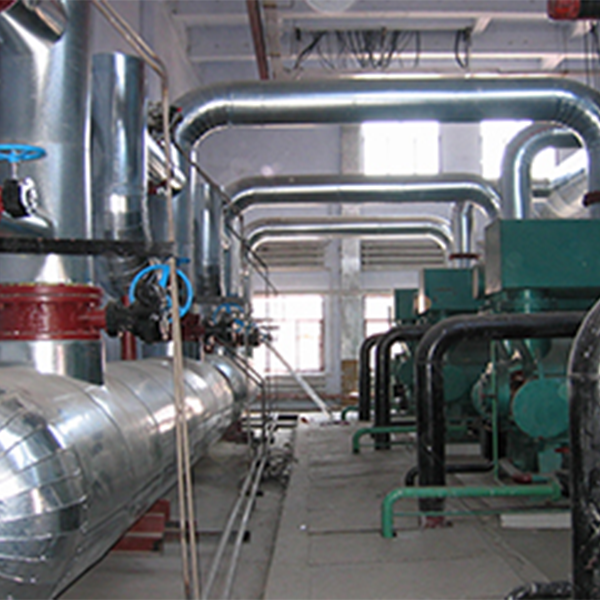 Oxygen production by pressure swing adsorption
 -
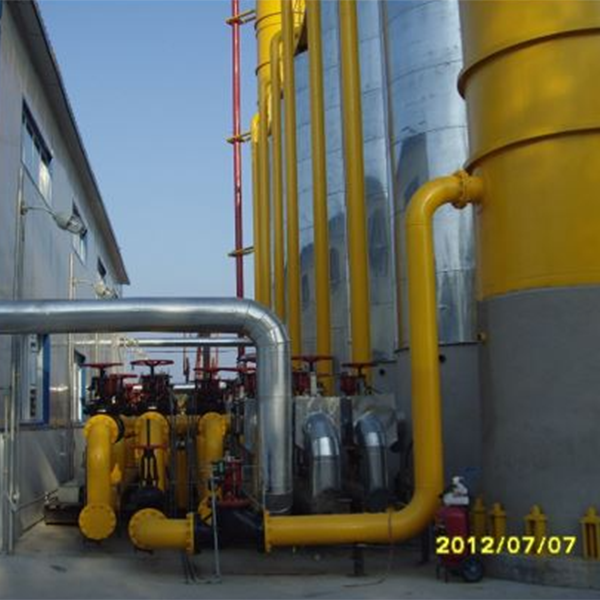 Vinyl chloride recycling technology
 -
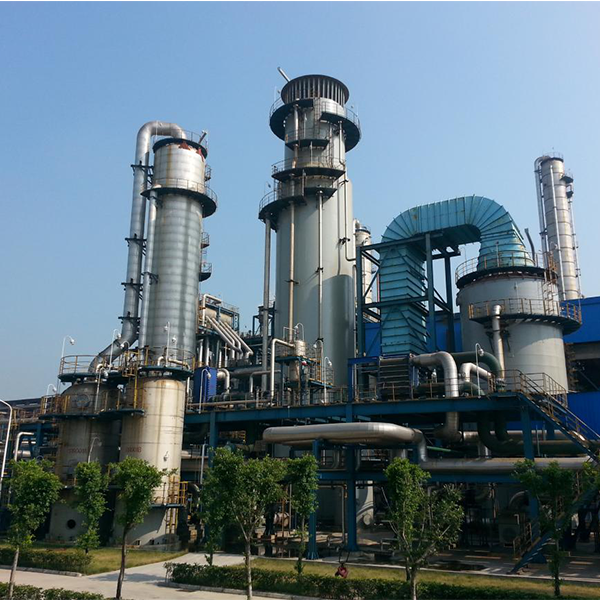 MEA-MDEA-NHD Desulfurization Technology
 -
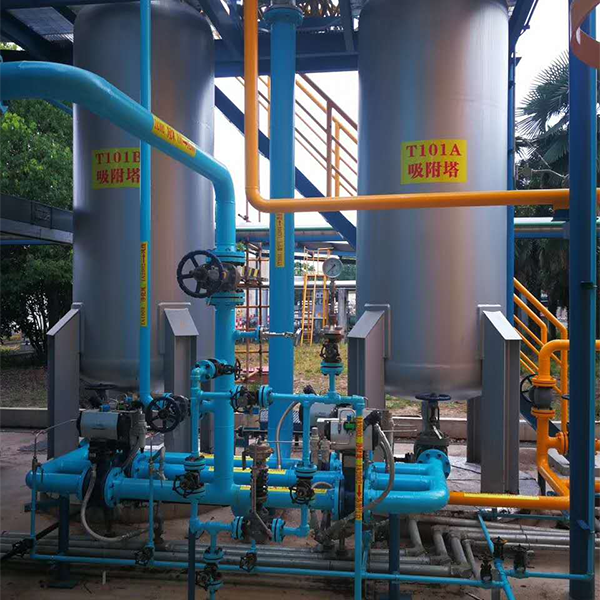 Nitrogen production by pressure swing adsorption
 -
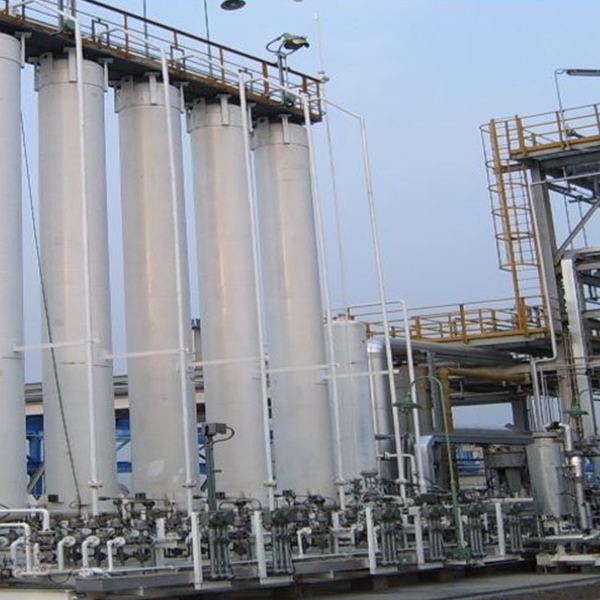 Argon purification
 -
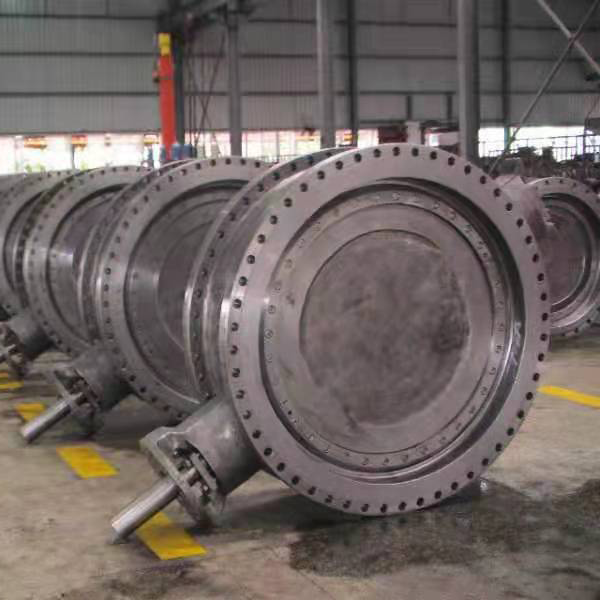 Valve
Valve -
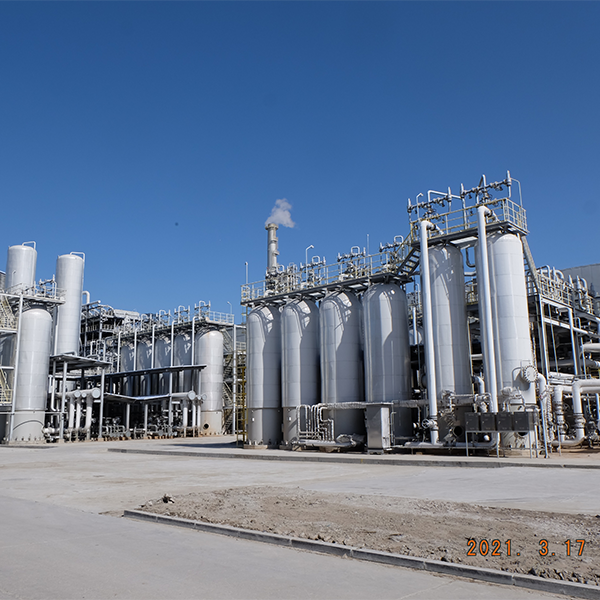 Hydrogen production from coke oven gases
 -
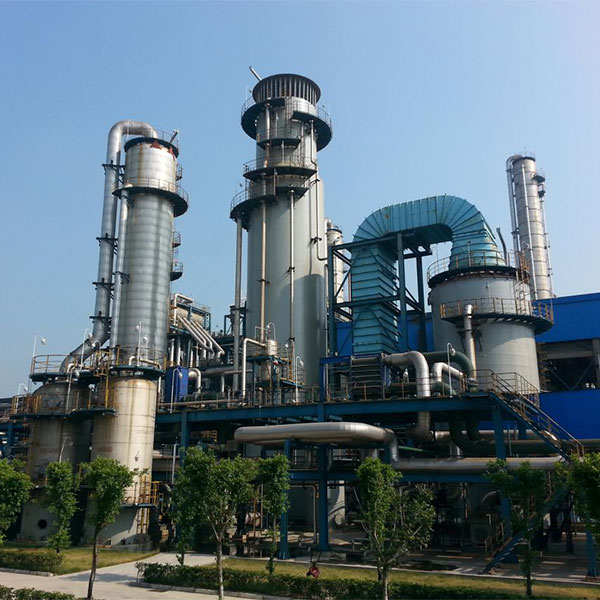 Wet CO2 removal technology
 -
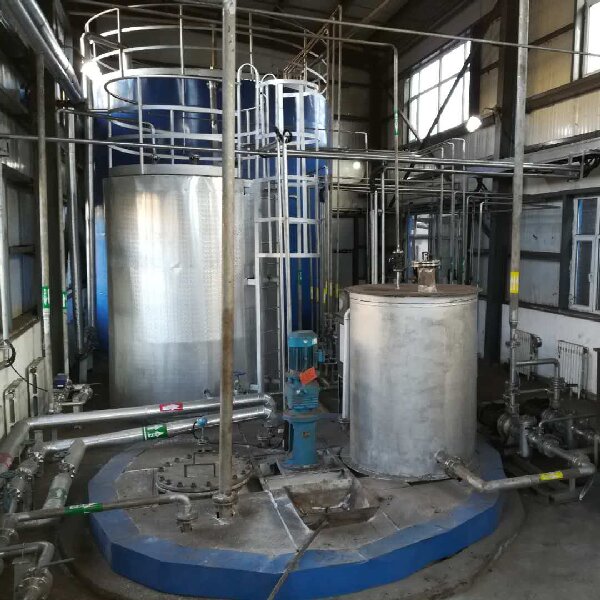 Flue gas denitrification SCR、SNC
Relatedsearch
Related Search- China liquefied natural gas what is the name of exporters
- air adsorbents in China
- adsorbents drugs list of the best
- China construction of liquefied natural gas plant products
- China Ionic Liquid Desulfurizer Main Buyer Country
- China gas adsorbent Main buyer country
- China coal adsorbent price
- China check valve products
- China liquefied natural gas product scheme
- China catalyst adsorbent Main buyer country