

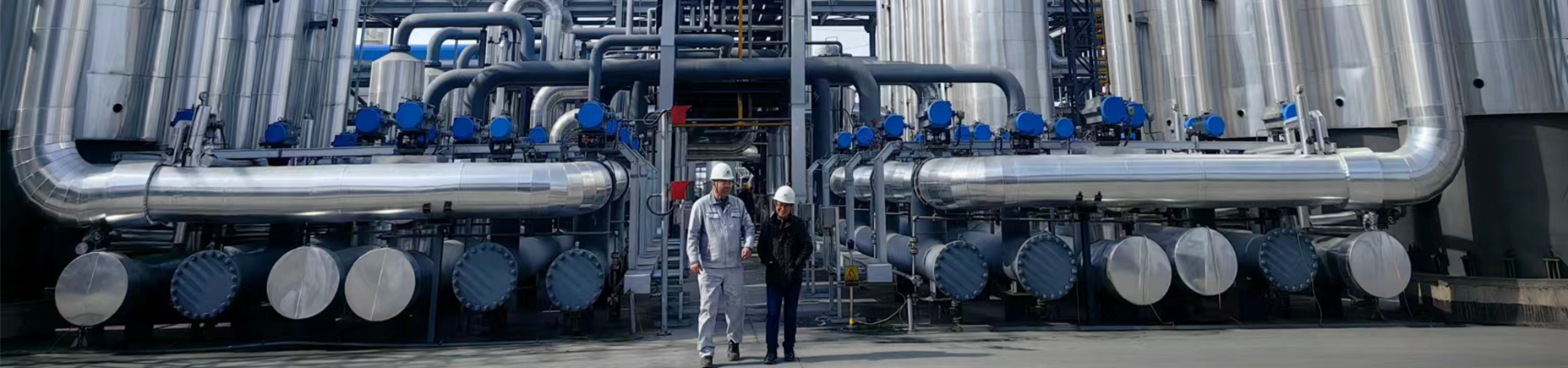
check valve
Check valve
A check valve is a small but important element that is found in a wide variety of devices and systems, from plumbing to automobile engines. Think of it as a valve that allows liquid or gas to flow in only one direction, like a one-way pass. It prevents unwanted backflow, playing a key role in ensuring stable operation.
How does it work?
The check valve is quite simple. There is a special element inside it, such as a ball, spring or valve, that responds to changes in pressure. When the pressure in a pipe through which a liquid or gas flows is directed in the desired direction (for example, water flows from a faucet), this element opens, allowing the flow to pass freely. But if the pressure changes, for example, water or gas is released, the element closes, blocking the reverse flow. It's like one door that only opens in one direction.
Where is it used?
Check valves are used in a wide variety of applications. In plumbing systems, they prevent the backflow of water in emergency situations. In heating systems, they will prevent the backflow of hot water, preventing damage to equipment. In automotive cooling systems, they hold the coolant inside the system, preventing it from spilling out during discharge. They are also needed in heating, ventilation and air conditioning (HVAC) systems. Even in fuel delivery systems on many types of vehicles, they help maintain the correct flow direction. Thanks to its simple design, the check valve provides stability and reliability in many areas of our lives.
Why is a check valve important?
The check valve plays a critical role in preventing damage to equipment and devices and ensuring safety. Without it, backflow of water, gas or other liquid can cause system failure or even serious accidents. For example, water backflow in a plumbing system can cause a flood, or fuel backflow in a car can cause an unexpected stop. A simple but effective check valve mechanism is an indispensable element for the reliable and safe operation of various devices.
Correspondingproducts
Related Products
Best Sellingproducts
Best Selling Products-
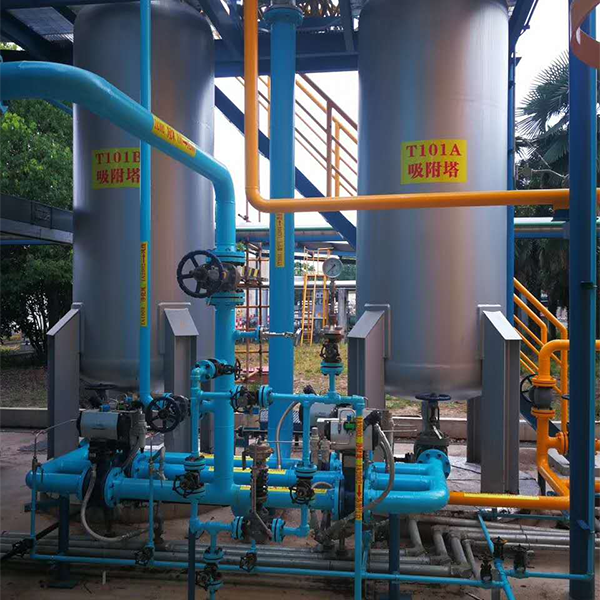 Nitrogen production by pressure swing adsorption
 -
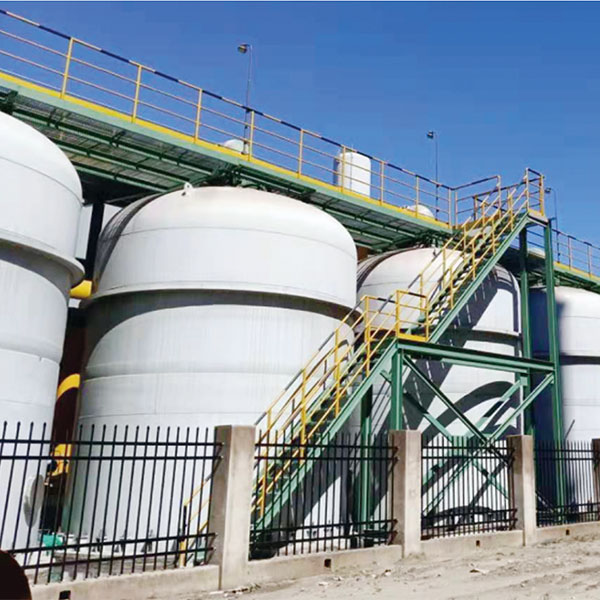 Flue gas CO2 recovery technology
 -
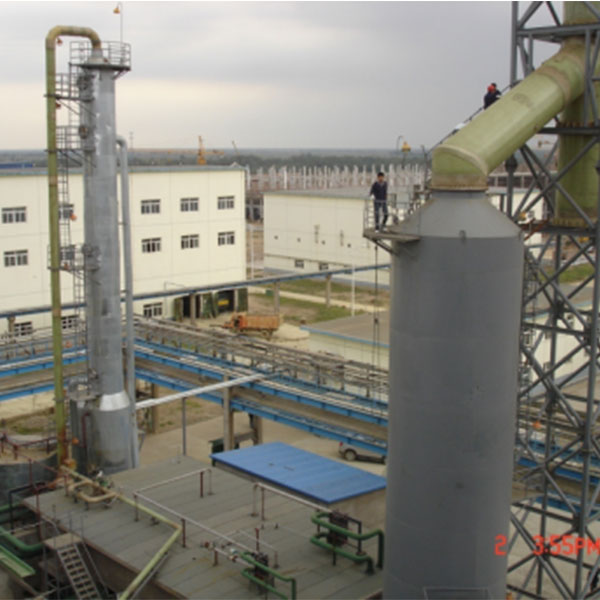 Ionic liquid desulfurization technology
 -
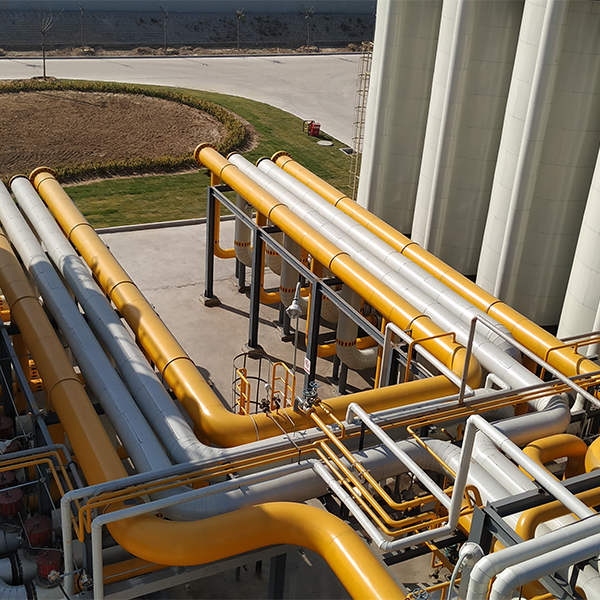 Coke gas purification technology
 -
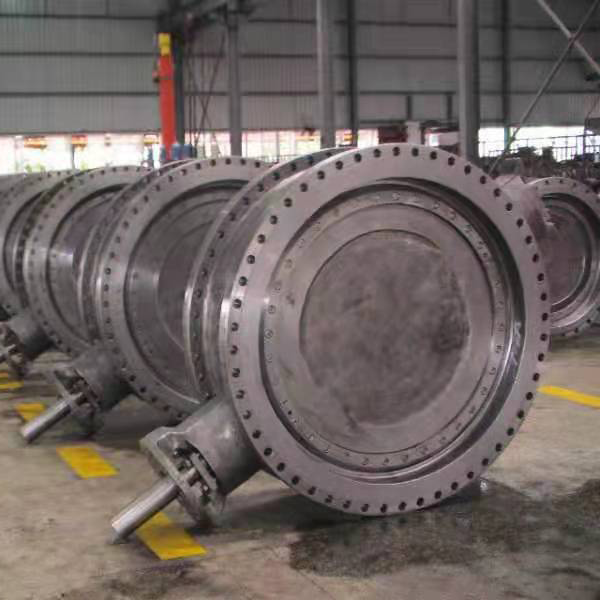 Valve
Valve -
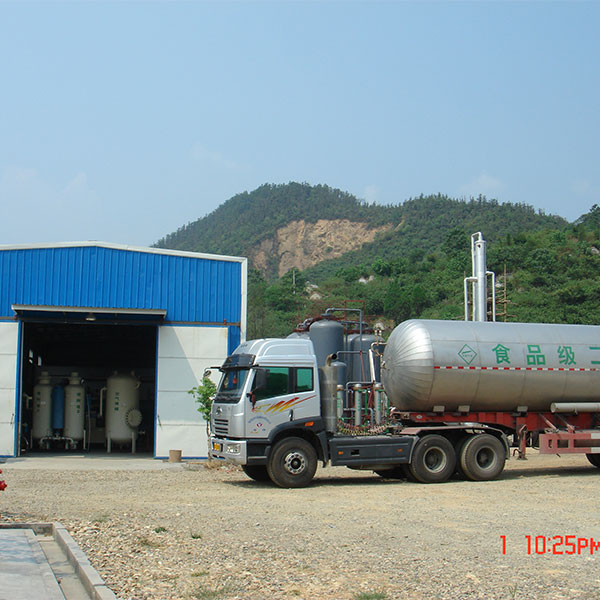 Food grade CO2 purified
 -
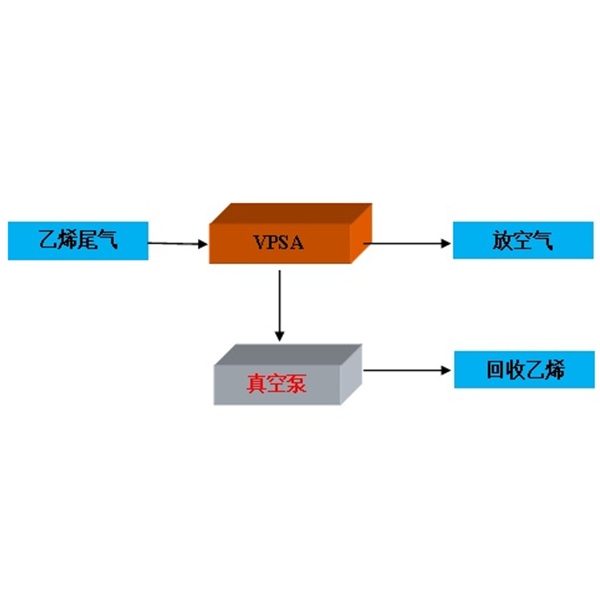 Ethylene tail gas recovery
 -
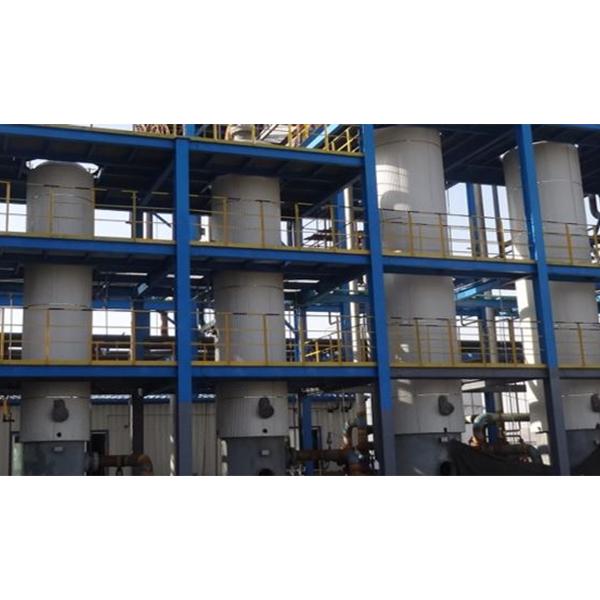 Coal gas organic sulfur fine removal technology
 -
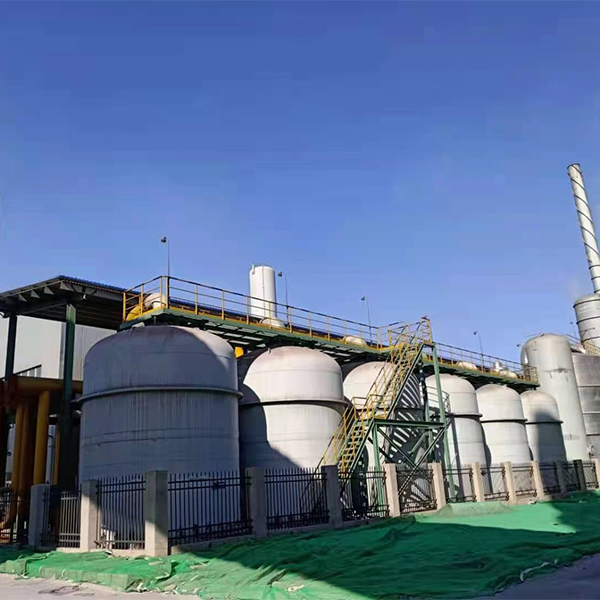 Oxygen purification and utilization
 -
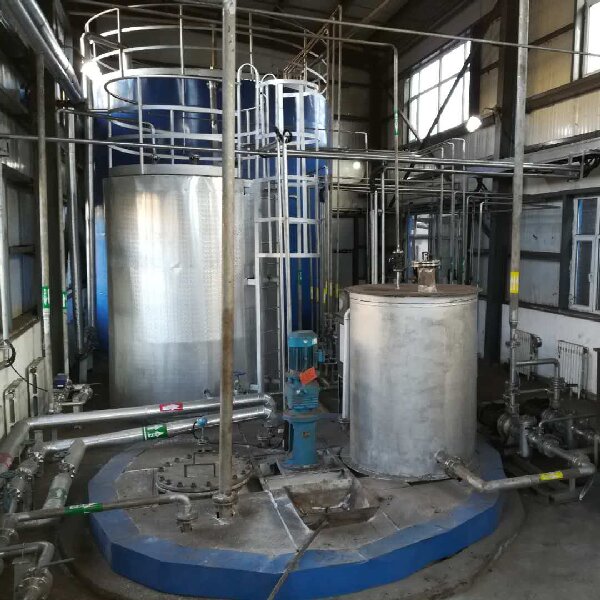 Flue gas denitrification SCR、SNC
 -
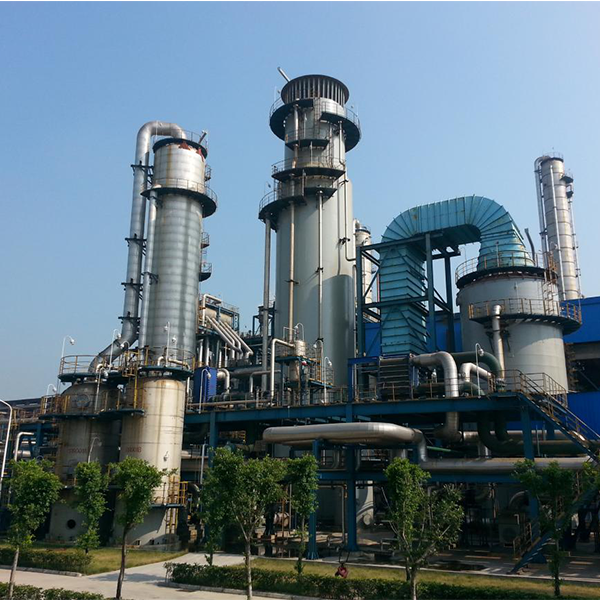 MEA-MDEA-NHD Desulfurization Technology
 -
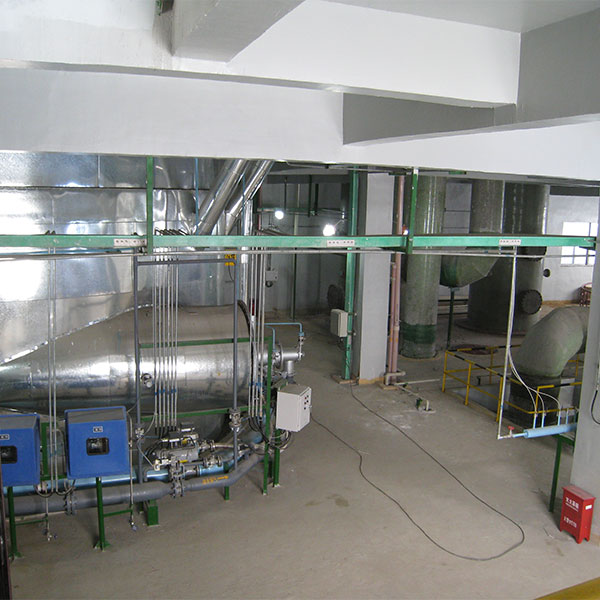 Special acid regeneration equipment