

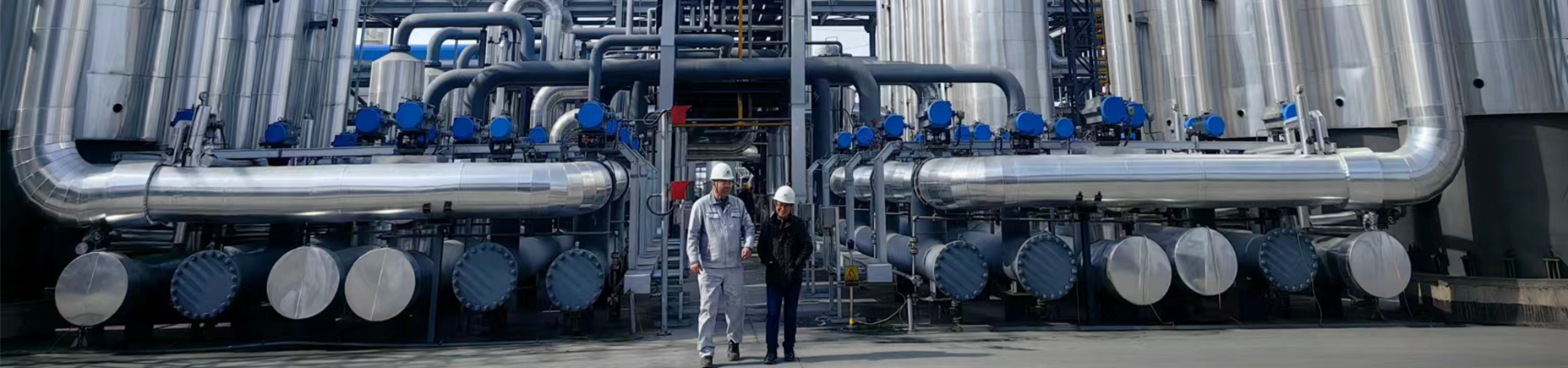
solenoid valve
Solenoid valve: an invisible assistant in the world of technology
A solenoid valve is a small but important device that controls the flow of liquid or gas. Imagine a tiny watchman who makes sure that the right substance flows to the right place at the right moment. It operates virtually unnoticed, but plays a key role in countless technical systems.
How does it work?
Inside the solenoid valve is an electromagnet, similar to a small electric motor. When you apply electric current to the coil of this electromagnet, it creates a magnetic field. This field attracts the core, which in turn opens a passage for liquid or gas. When the current is turned off, the magnetic field disappears, the core returns to its original position, and the passage is closed. Thus, by simply turning on and off the electric current, we control the flow of substances. It's like a light switch for a water faucet.
Where is it used?
Solenoid valves are found almost anywhere where precise and controlled flow of liquid or gas is required. In heating and air conditioning systems, they regulate the flow of water or refrigerant. In water supply systems, they control the distribution of water. In industry, they are used to control the flow of various chemicals, paints, and even in ventilation systems. Even your car has similar devices that control fuel supply and other processes. They are indispensable assistants in a huge number of different machines and mechanisms.
Advantages of solenoid valves:
Due to their simplicity of design, reliability and remote control capabilities, solenoid valves have gained wide popularity. They require minimal maintenance and provide highly accurate flow control. This makes them very practical and economical for use in automated systems. Compared to other flow control methods, they provide ease of setup and control, which significantly simplifies the operation of many mechanisms.
Correspondingproducts
Related Products

Best Sellingproducts
Best Selling Products-
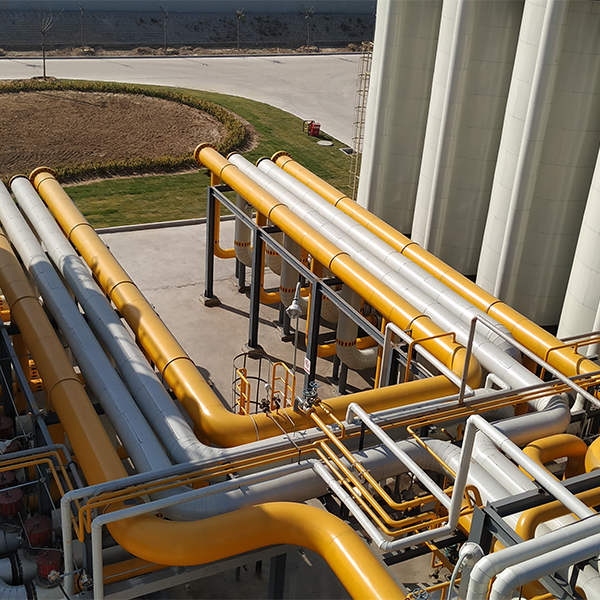 Coke gas purification technology
 -
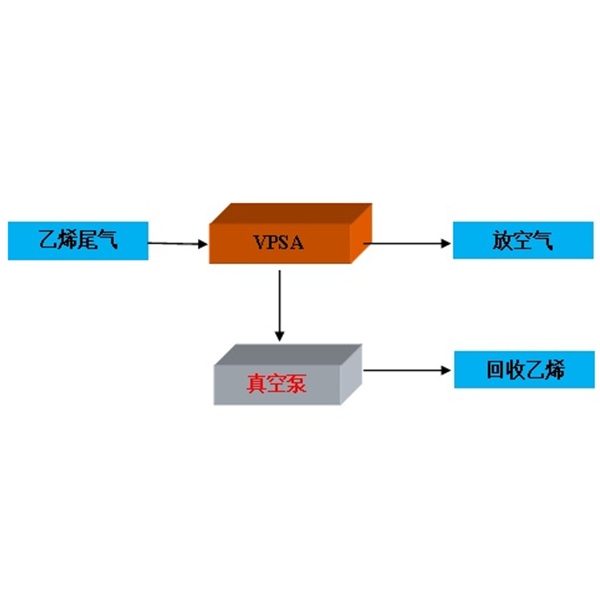 Ethylene tail gas recovery
 -
 CO2 removal by pressure swing adsorption
 -
 Ionic liquid desulfurization technology
 -
 Coal gas organic sulfur fine removal technology
 -
 Flue gas denitrification SCR、SNC
 -
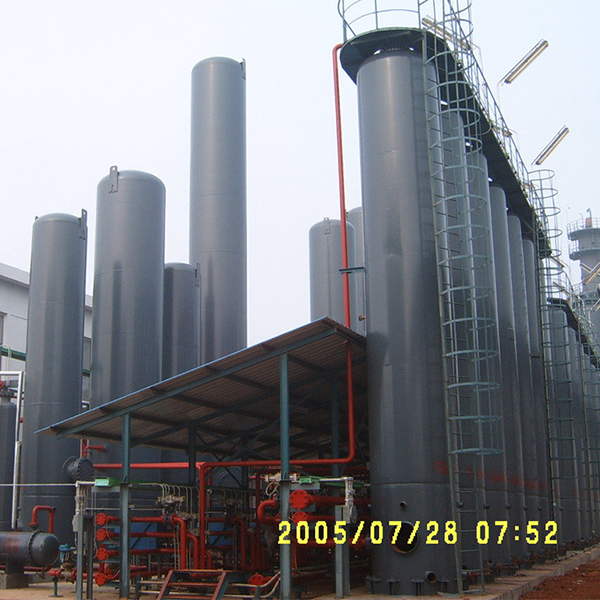 CO removal by pressure swing adsorption
 -
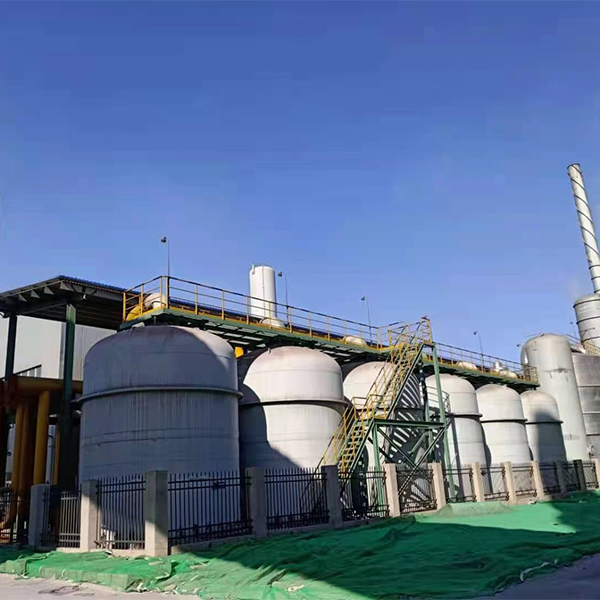 Oxygen purification and utilization
 -
 Hydrogen purification technology by pressure swing adsorption
 -
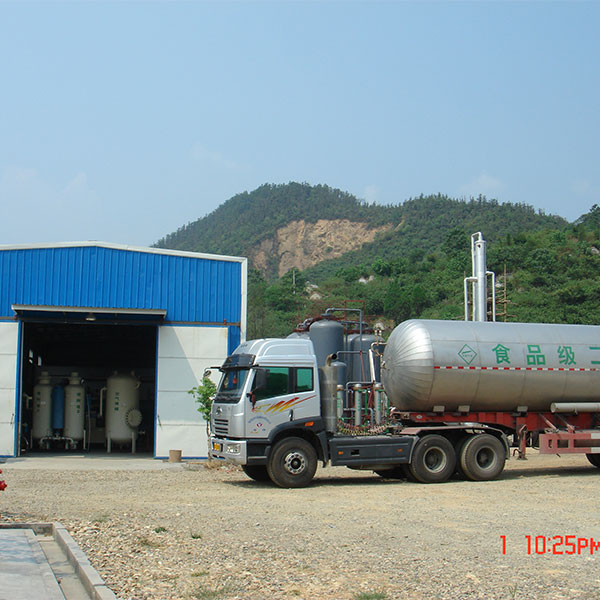 Food grade CO2 purified
 -
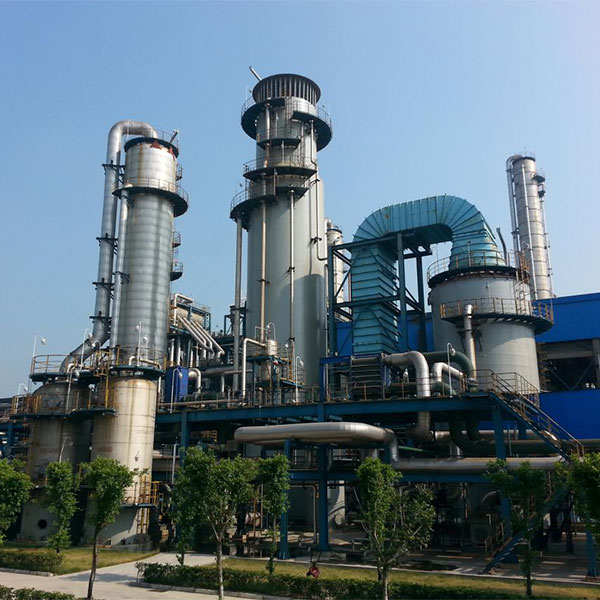 Wet CO2 removal technology
 -
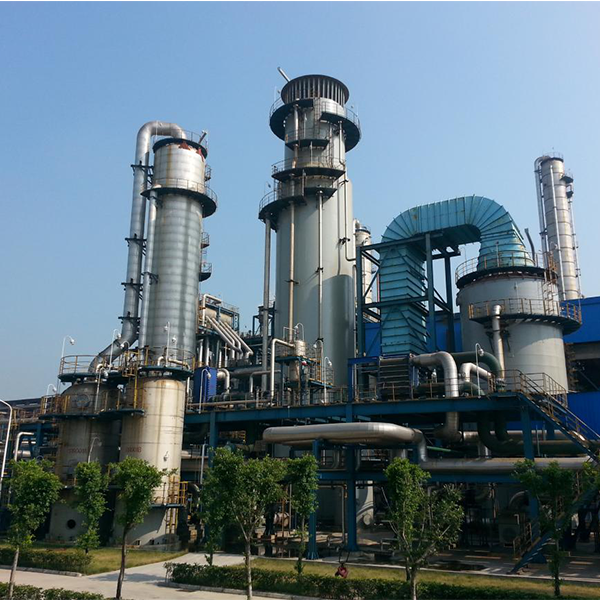 MEA-MDEA-NHD Desulfurization Technology
Relatedsearch
Related Search- China liquefied natural gas plants
- China Natural Gas Liquefaction Equipment Manufacturers
- China desiccant desiccant products
- China water valve products
- China crankcase valve factories
- China liquefied natural gas exporters
- China water valve factory
- China Desiccant Desiccant Manufacturers
- Adsorbent wholesale
- China Flue gas desulfurization technology using ammonia price