

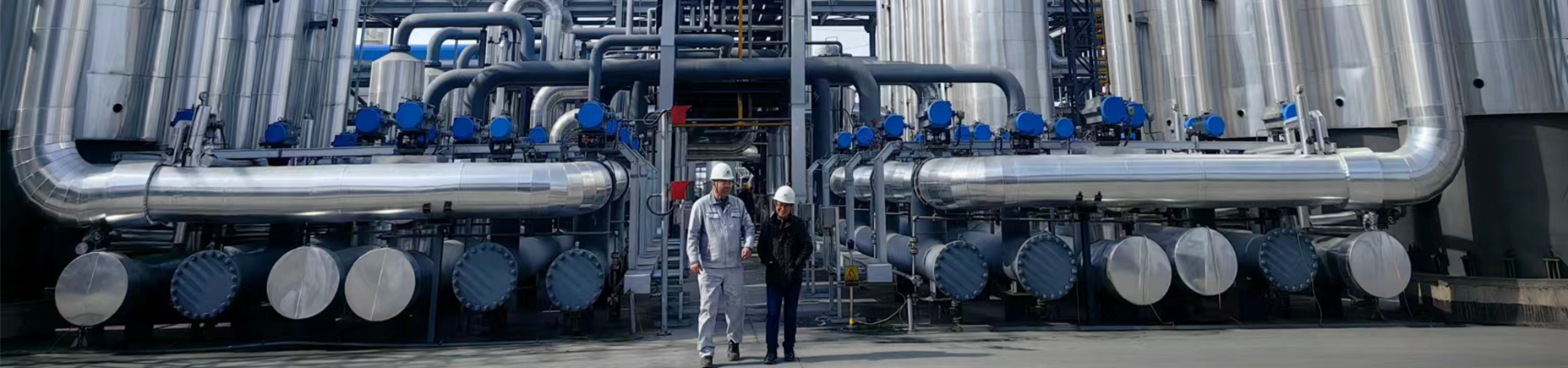
Flue gas desulfurization technology using ammonia
Flue gas desulfurization technology using ammonia
Flue gases produced when burning fuel contain harmful substances, in particular sulfur dioxide (SO2). This gas negatively affects the environment, causing acid rain and other environmental problems. To solve this problem, various technologies have been developed, one of which is flue gas desulfurization using ammonia. This method, although it has its nuances, is considered an effective and relatively inexpensive way to reduce SO2 emissions into the atmosphere.
How the method works
The technology is based on the reaction of ammonia with sulfur dioxide. When the flue gases pass through a special reactor, an ammonia solution is added to them. Ammonia reacts with SO2 to form ammonium sulfate. This compound, unlike sulfur dioxide, is a solid and can be easily filtered from the gas mixture. Thus, the exhaust gases are freed from harmful components. This process is similar to how we filter dirt from water, only in this case from smoke.
Advantages and disadvantages of using ammonia
One of the main advantages is the high efficiency of the desulfurization process. Ammonia effectively traps sulfur dioxide, reducing its concentration in flue gases to safe levels. In addition, the method is relatively accessible and allows reducing the negative impact of industrial enterprises on the environment. However, using ammonia also has its disadvantages. The process may produce by-products that require additional processing. Also, transportation and storage of ammonia require special safety measures due to its toxicity. It is important to remember that the use of ammonia must be strictly controlled and comply with all environmental standards.
Prospects and further development
The technology for flue gas desulfurization using ammonia is constantly being improved. New, more efficient ways to use ammonia are being developed that minimize the formation of byproducts and improve process safety. The use of this technology can help achieve global goals to reduce emissions of harmful substances into the atmosphere. In the future, we can expect further development of this method, which will allow us to combat environmental pollution more effectively. This is important, because clean air is the key to a healthy future for everyone.
Correspondingproducts
Related Products
Best Sellingproducts
Best Selling Products-
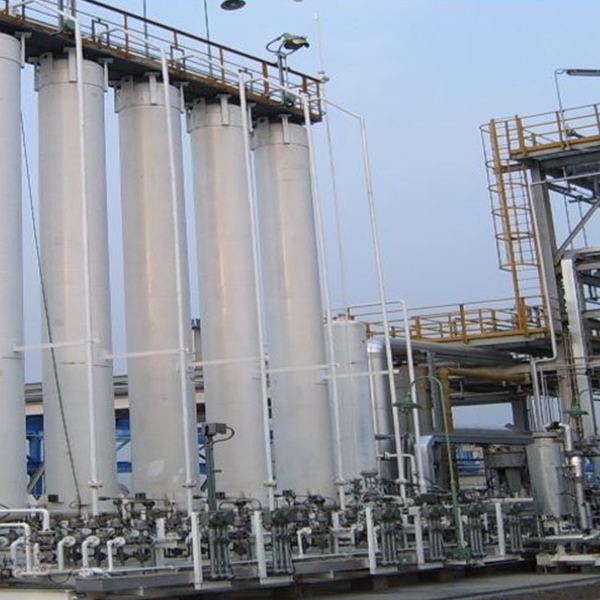 Argon purification
 -
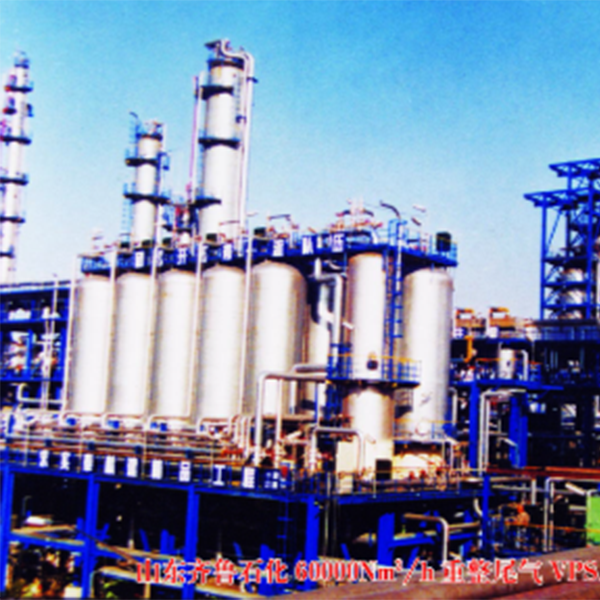 Hydrogen purification technology by pressure swing adsorption
 -
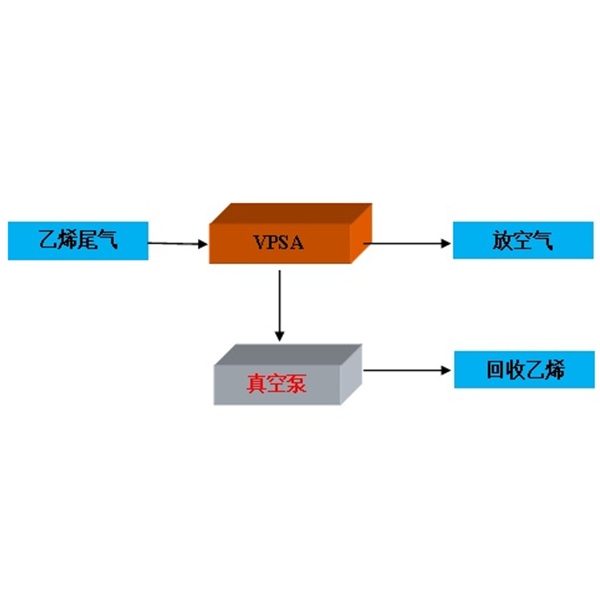 Ethylene tail gas recovery
 -
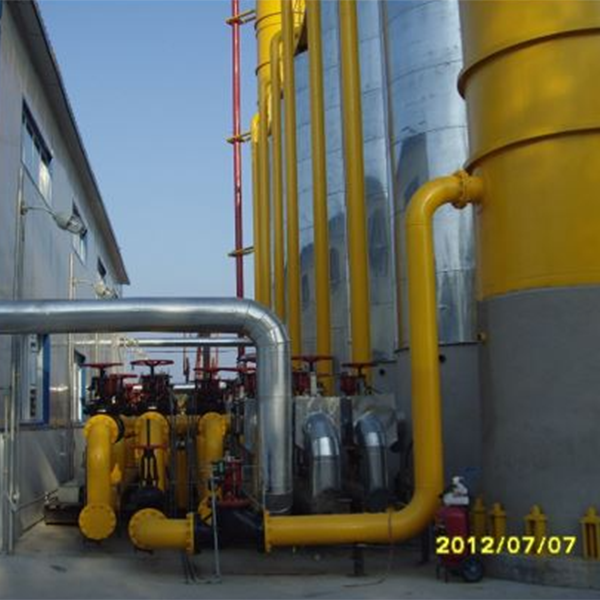 Vinyl chloride recycling technology
 -
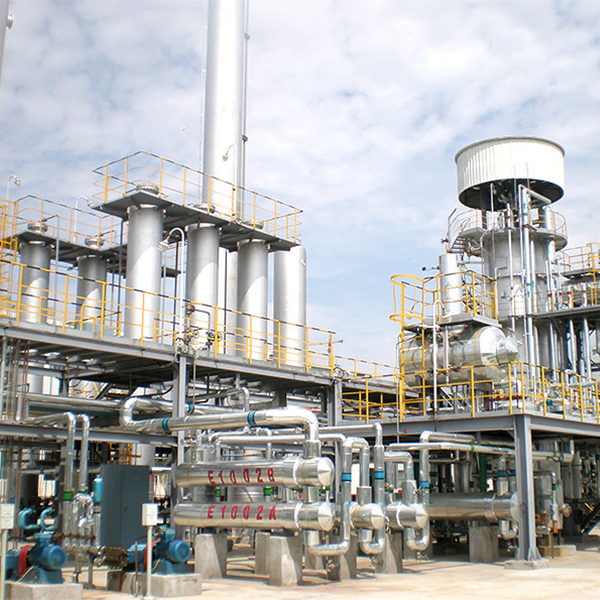 Hydrogen production by conversion of light hydrocarbons with steam
 -
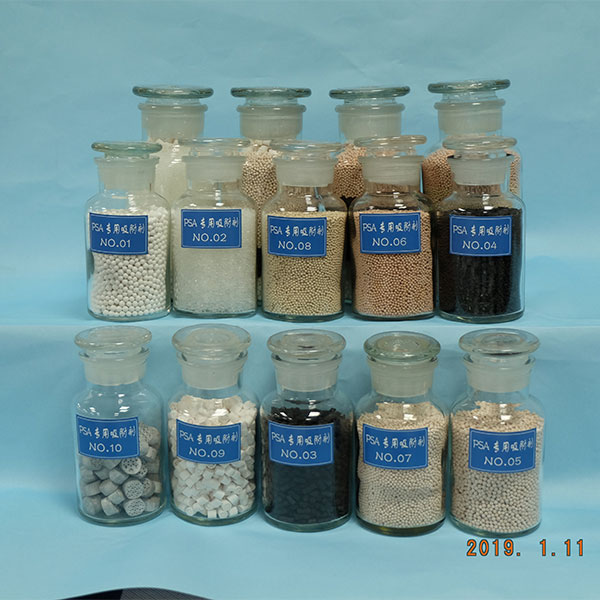 absorbent
 -
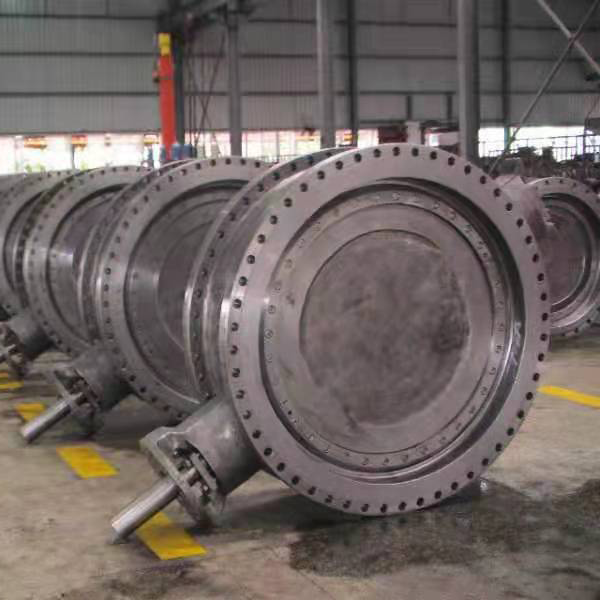 Valve
Valve -
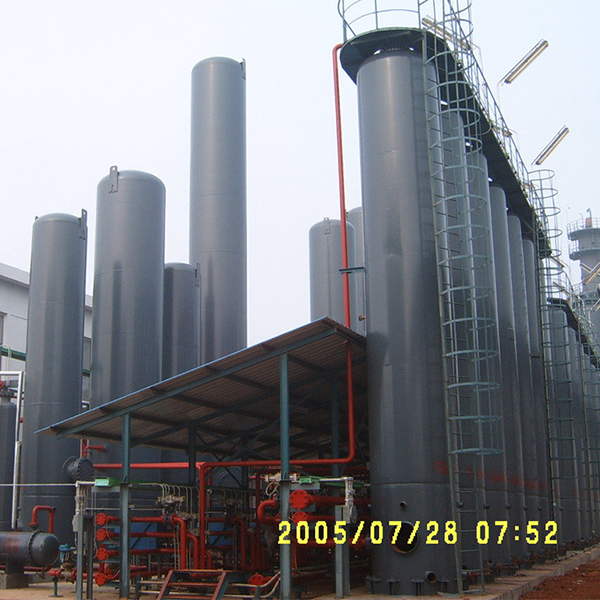 CO removal by pressure swing adsorption
 -
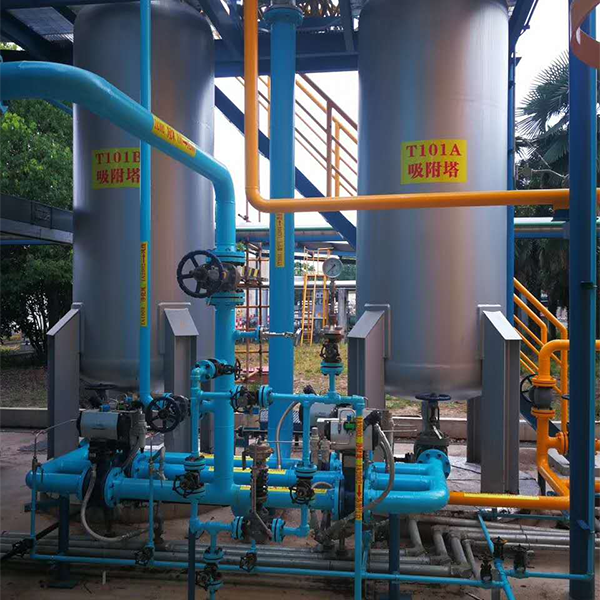 Nitrogen production by pressure swing adsorption
 -
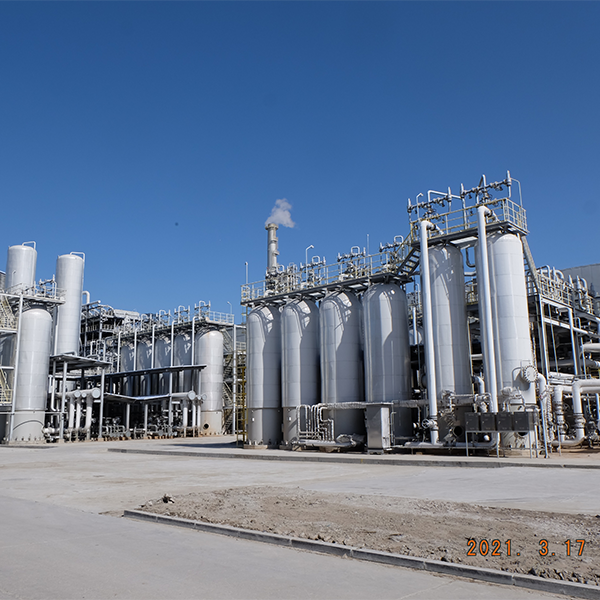 Hydrogen production from coke oven gases
 -
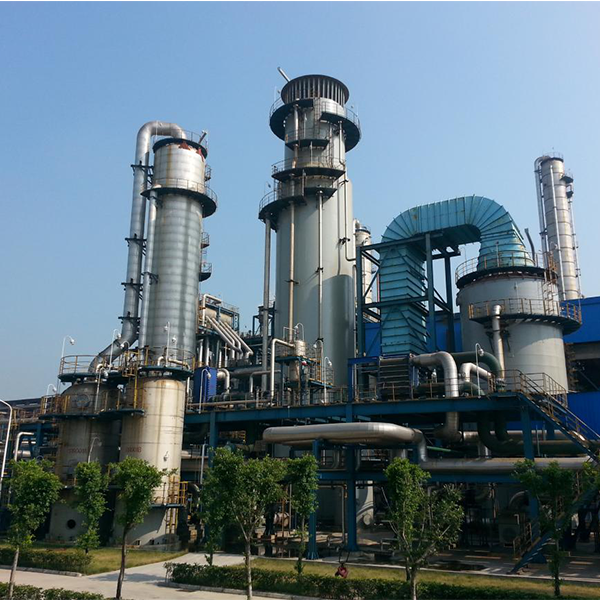 MEA-MDEA-NHD Desulfurization Technology
 -
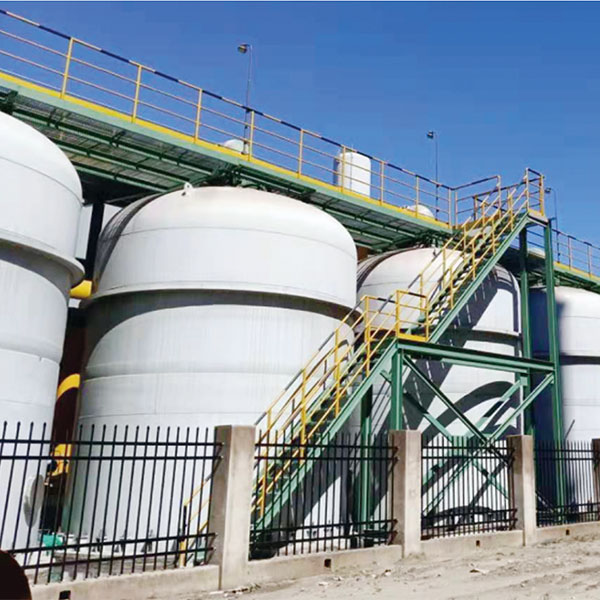 Flue gas CO2 recovery technology
Relatedsearch
Related Search- Butterfly valve for water
- China adsorbents examples Exporter
- China buy valve price
- China Tail Gas Recycling VOC Exporter
- China safety valve factory
- China Food CO2 production technology price
- China liquefied natural gas scheme price
- China adsorbents drugs product
- water adsorbents factory
- China Food Adsorbent Suppliers