

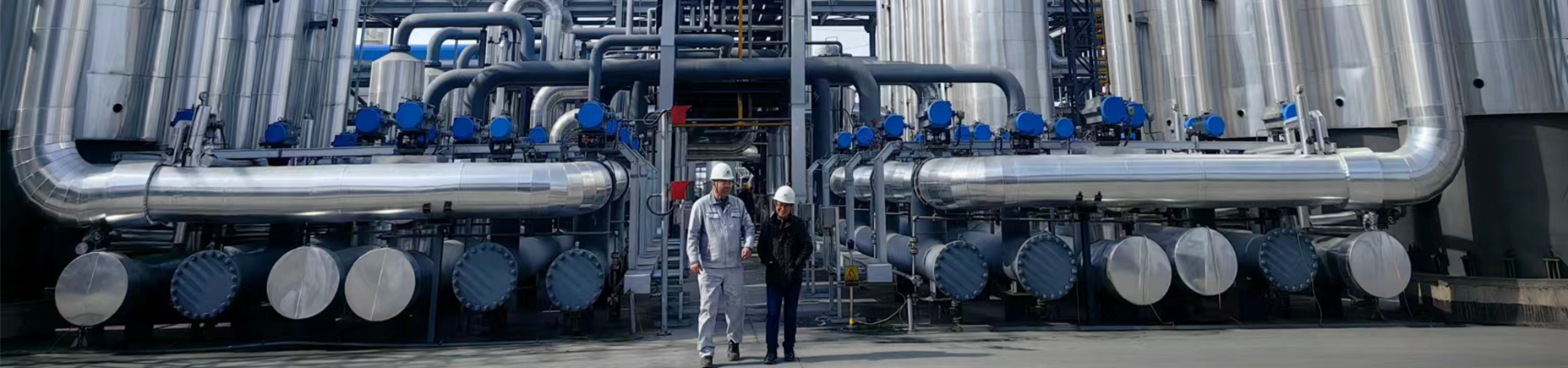
Food CO2 production technology
Food CO2 production technology
Food-grade carbon dioxide (CO2) is an indispensable assistant in the food industry. It is added to a variety of foods, from soda to baked goods, giving them a unique taste and texture. But how does this colorless, tasteless gas, so important to our favorite foods, come from?
Raw materials and production methods
The main raw materials for the production of food-grade CO2 are natural gas, petroleum products, and some chemicals. In industry, the most common method is based on the combustion of organic fuel. When burned, many products are released, including carbon dioxide. The resulting gas then undergoes complex multi-stage purification to remove all impurities and ensure its food safety. This purification may include absorption, filtration and other physical methods similar to the water purification process. To date, other methods for producing CO2 have been developed, for example, using biological processes, but they are not yet so widespread in the food industry.
Quality control and safety
Manufacturers of food grade CO2 follow strict quality and safety standards. All stages of production, from raw materials to the final product, are strictly controlled. Oversight by food control authorities is essential to ensure that the CO2 produced is safe for the consumer. Checking for the absence of harmful impurities and the concentration of CO2 itself is carried out using special devices that minimize the risk of a low-quality product entering the market.
Application in the food industry
Food CO2 is widely used in various sectors of the food industry. It is used to carbonate beverages such as mineral water and various carbonated juices, to increase volume and improve texture in the baking and confectionery industries. CO2 also serves as a preservative, preventing the development of microorganisms. It is also used in the production of food products from meat and fish, allowing it to retain moisture and improve color. Due to its wide range of applications, food CO2 is an integral part of modern technological processes.
Correspondingproducts
Related Products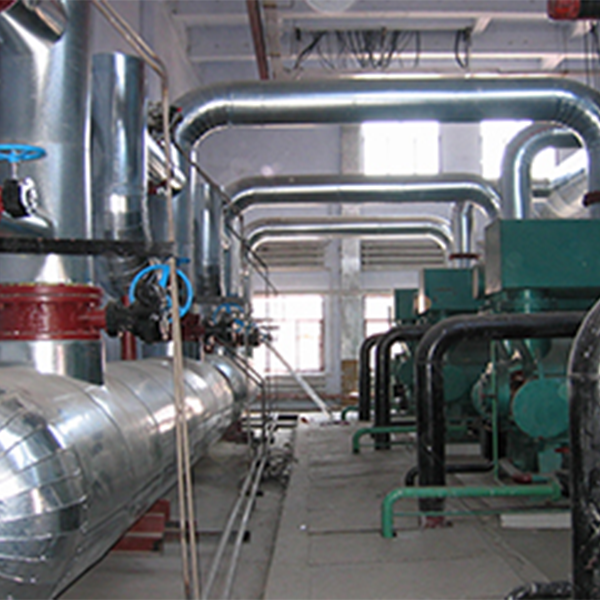
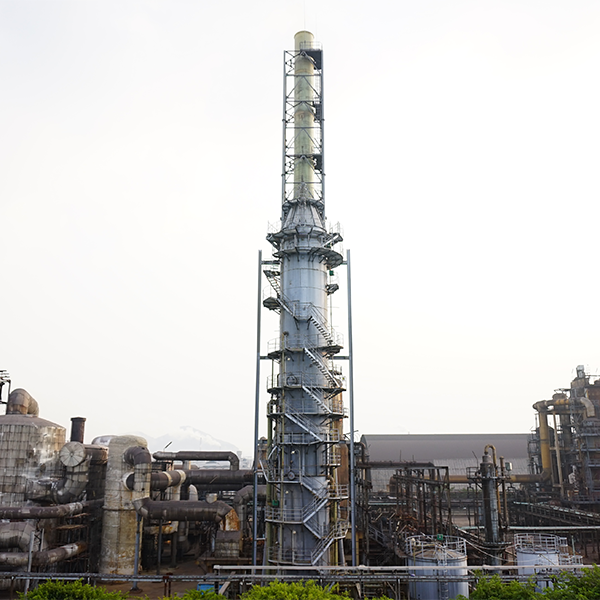
Best Sellingproducts
Best Selling Products-
 Methane extraction technology – coalbed methane
 -
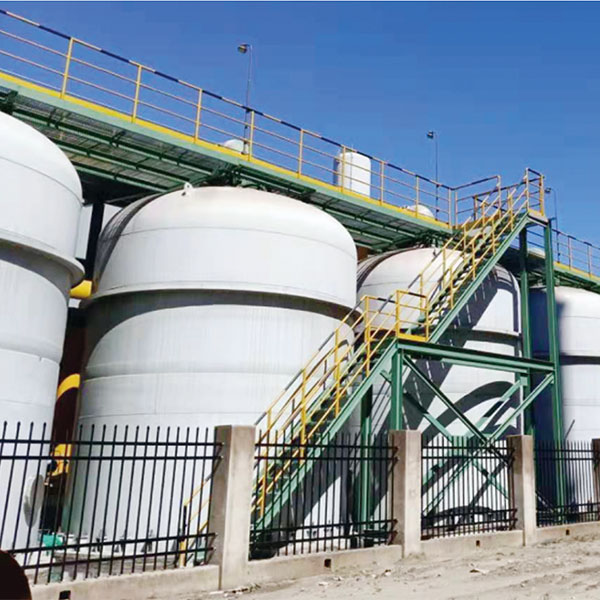 Flue gas CO2 recovery technology
 -
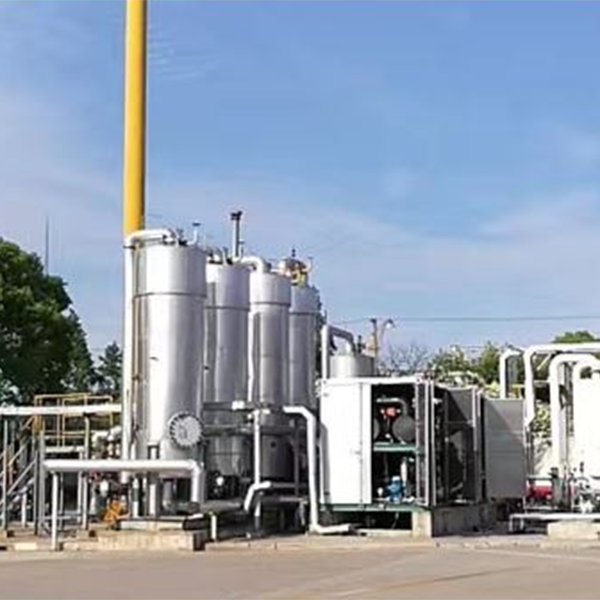 VOC tail gas disposal
 -
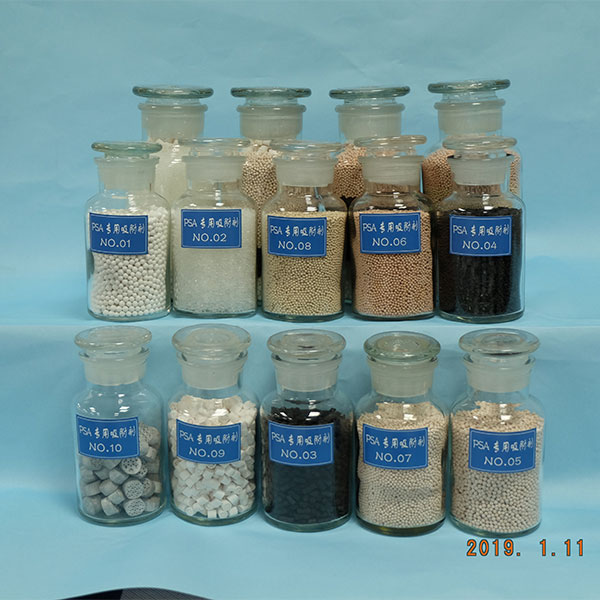 absorbent
 -
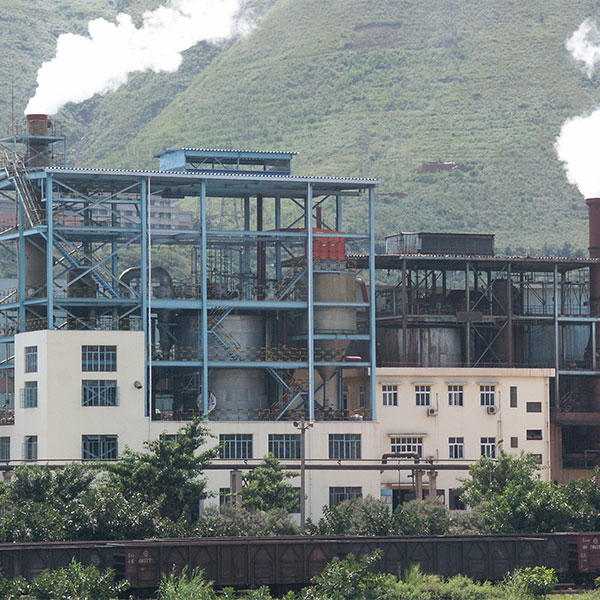 Waste acid regeneration
 -
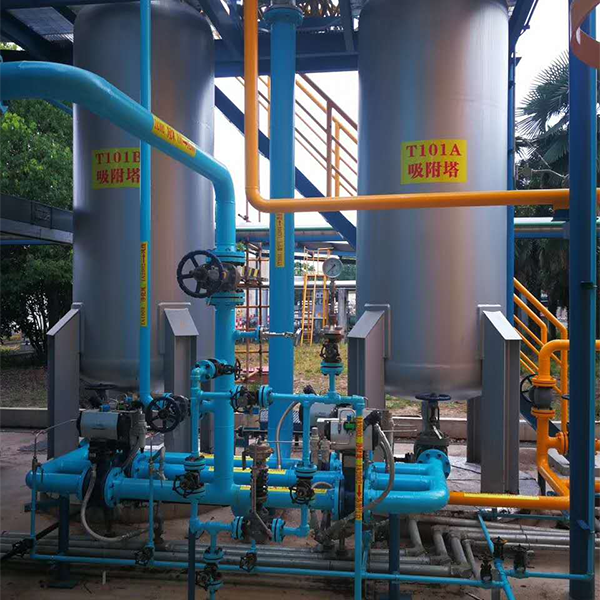 Nitrogen production by pressure swing adsorption
 -
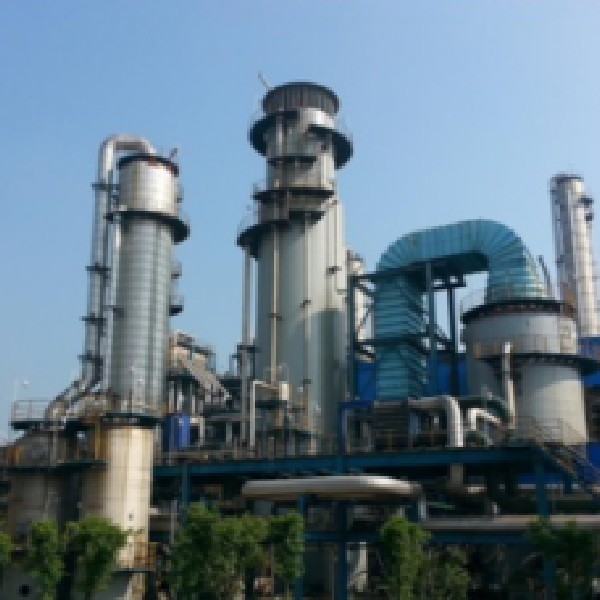 MPS decarbonization technology
 -
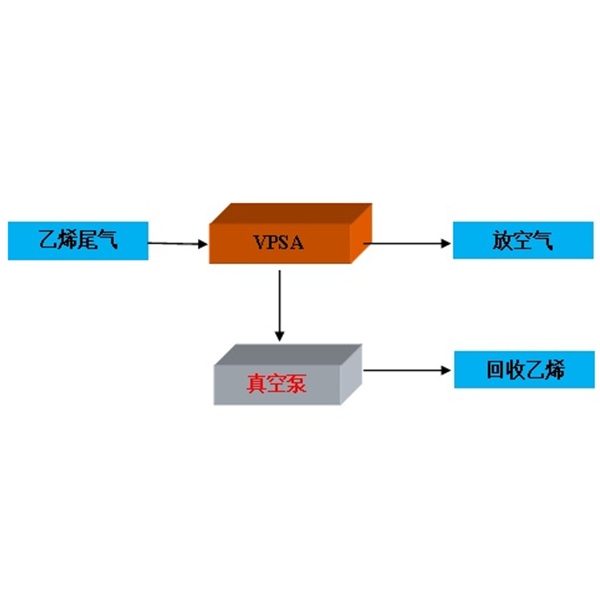 Ethylene tail gas recovery
 -
 Ionic liquid desulfurizer
 -
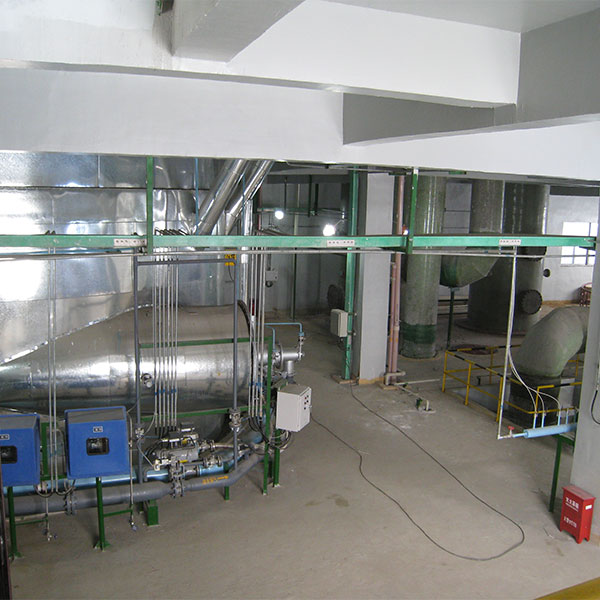 Special acid regeneration equipment
 -
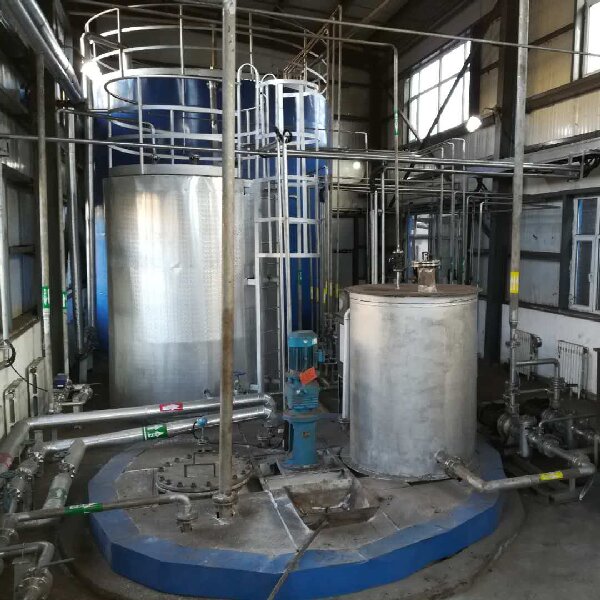 Flue gas denitrification SCR、SNC
 -
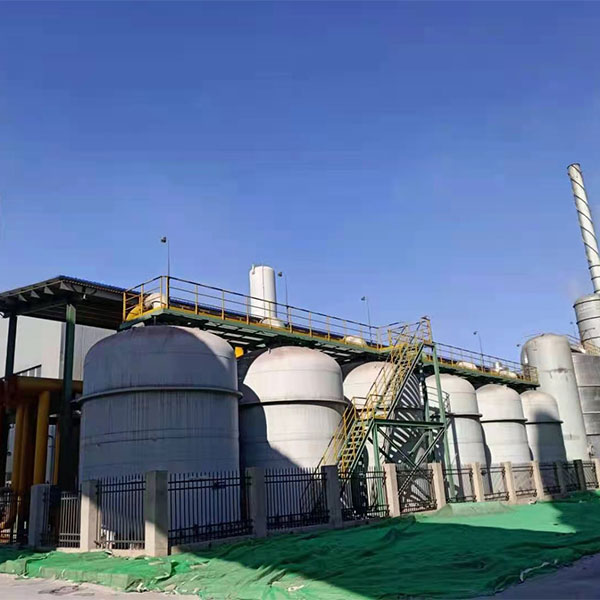 CO2 removal by pressure swing adsorption
Relatedsearch
Related Search- China Solenoid Valve Supplier
- Motorized butterfly valve
- argon purification device
- China pressure liquefied natural gas products
- China natural gas liquefaction process product
- Desulfurization technology using the redox wet method
- China pressure valve product
- China Wet method CO2 removal technology factories
- China Adsorbents Suppliers List
- China CO2 removal by pressure swing adsorption price