

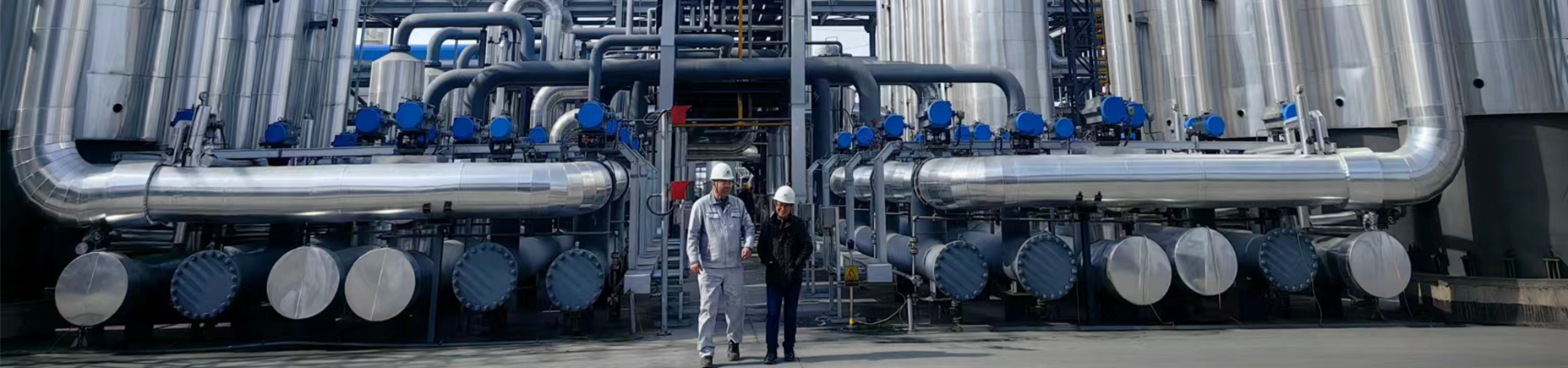
Desulfurization technology using the redox wet method
Desulfurization technology using the redox wet method
Desulfurization is the process of removing sulfur from fuels, products and waste. It is necessary to reduce the negative impact of harmful substances on the environment. One way to achieve this goal is the redox wet method. Essentially, we chemically remove sulfur from the substance that contains it, turning it into a safe compound. Imagine how we treat polluted water to make it drinkable - it's much the same idea, but with sulfur salts instead of dirt.
Working principle:
The method is based on redox reactions. In industrial settings, reagents, typically chemicals that can react with sulfur, are dissolved in water. The mixture comes into contact with raw materials containing sulfur. The oxidizer captures sulfur, converting it into less harmful compounds, which are then easily separated from the final product. This process takes place in special installations where temperature and pressure are controlled. It is important that the result is the formation of substances suitable for disposal or disposal.
Advantages and disadvantages:
This method has a number of advantages that make it attractive to industrial enterprises. Firstly, it is quite effective and allows you to remove sulfur on a large scale. Secondly, it is relatively simple to implement, although it requires special equipment and qualified specialists. Third, the resulting byproducts are generally not highly toxic, making their subsequent processing easier. However, the cost of reagents can be quite high, and difficulties may arise when processing complex mixtures where the sulfur concentration is variable. Finally, some raw materials may require pre-treatment to optimize the process.
Practical application:
This technology is widely used in metallurgy, energy and other industries that require reducing sulfur emissions into the atmosphere. For example, when cleaning fuels for power plants or when processing waste from metallurgical production. The impact on air quality is obvious: the air becomes cleaner, and with this, the harmful effects on human health and the environment are reduced. Gradually, such technologies are becoming an integral part of sustainable development, allowing development without harming the environment.
Correspondingproducts
Related Products
Best Sellingproducts
Best Selling Products-
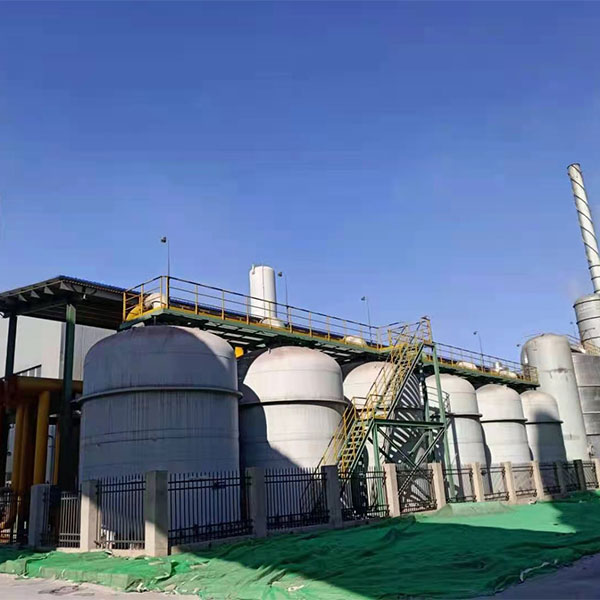 CO2 removal by pressure swing adsorption
 -
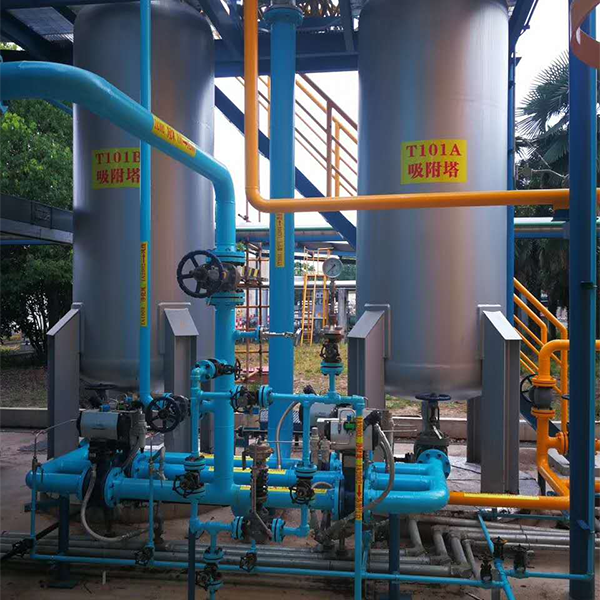 Nitrogen production by pressure swing adsorption
 -
 Methane extraction technology – coalbed methane
 -
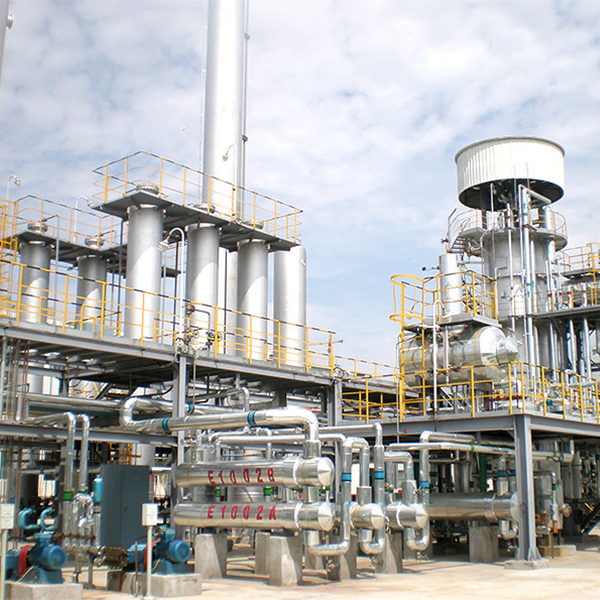 Hydrogen production by conversion of light hydrocarbons with steam
 -
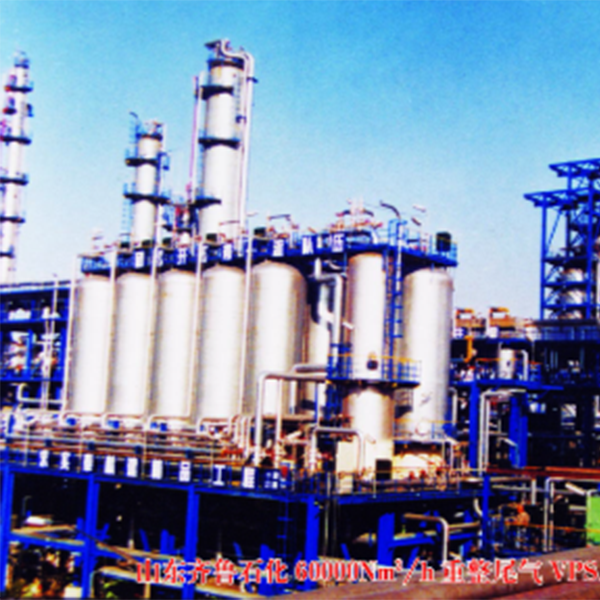 Hydrogen purification technology by pressure swing adsorption
 -
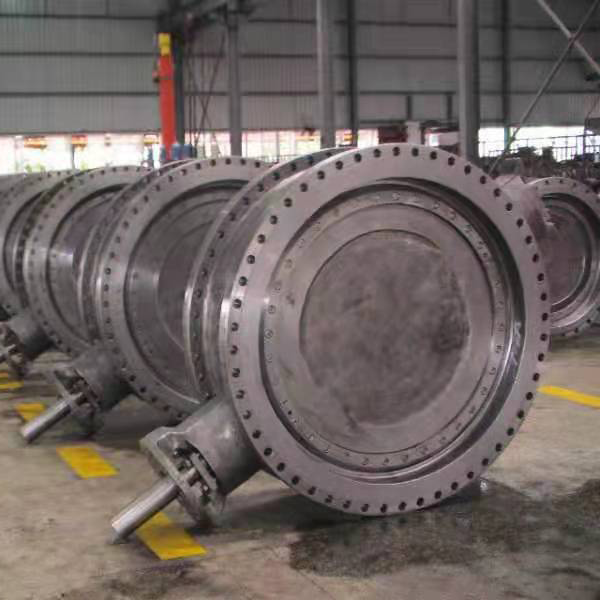 Valve
Valve -
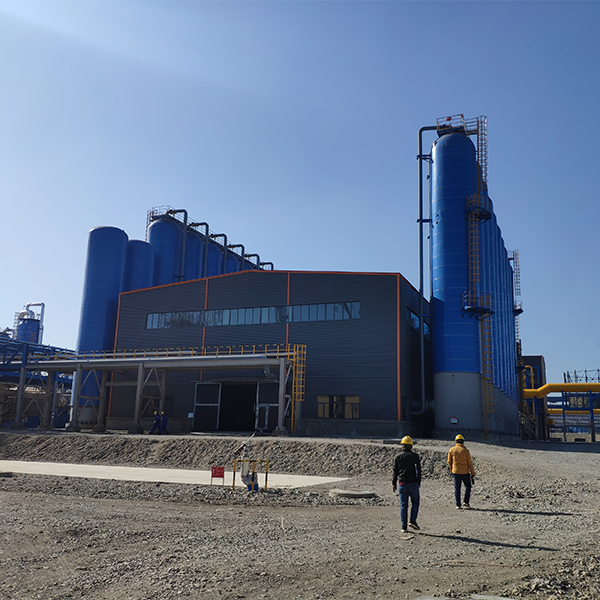 Hydrogen production by coal gasification
 -
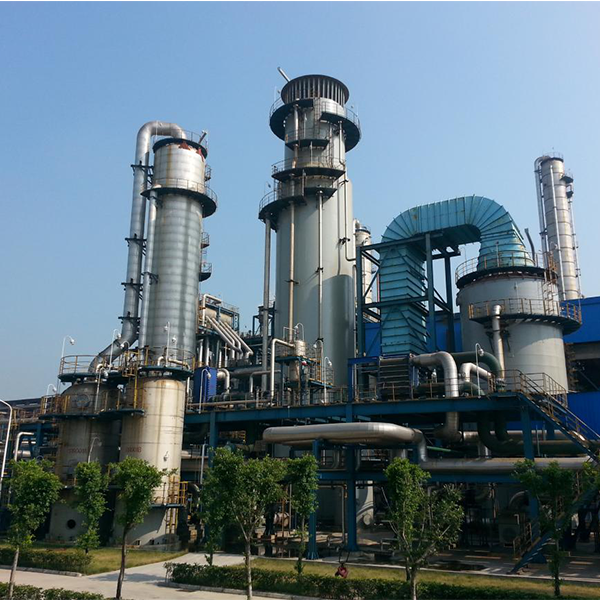 MEA-MDEA-NHD Desulfurization Technology
 -
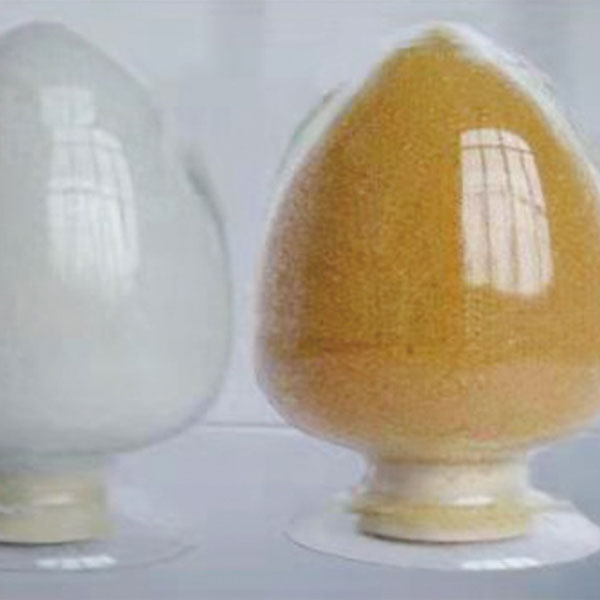 Unit desalting and demineralization equipment and special resin
 -
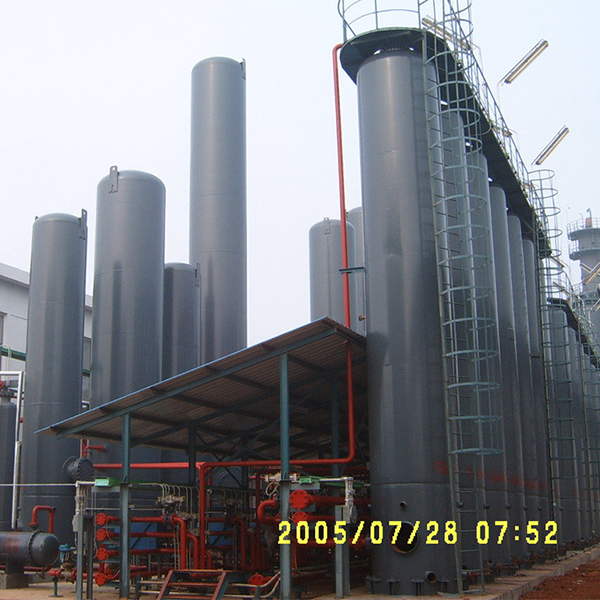 CO removal by pressure swing adsorption
 -
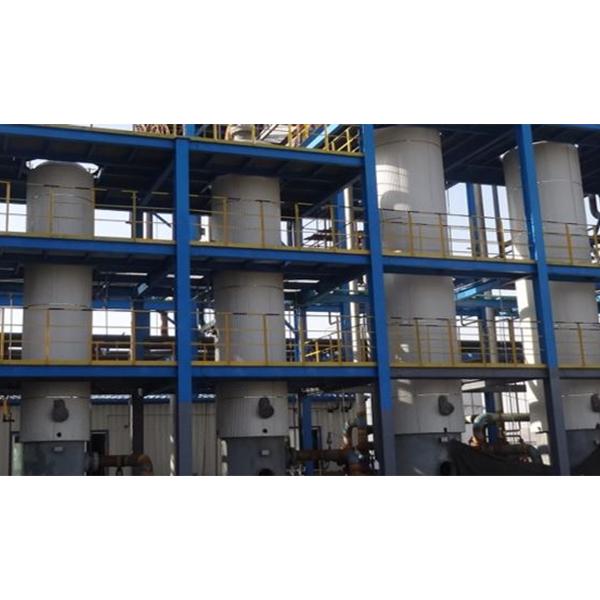 Coal gas organic sulfur fine removal technology
 -
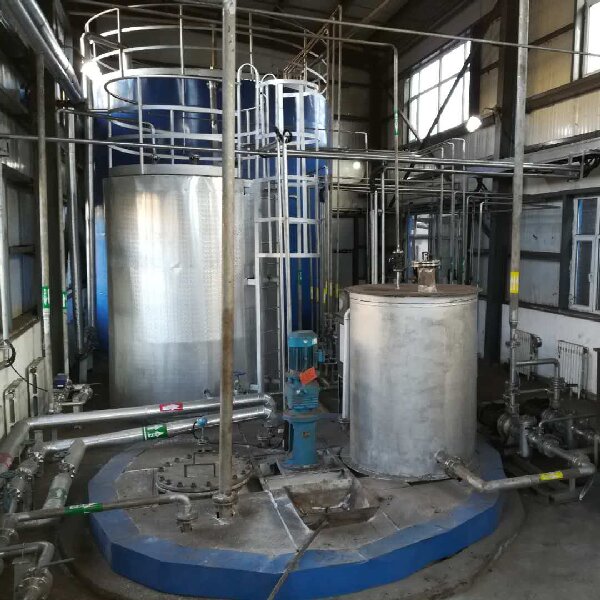 Flue gas denitrification SCR、SNC
Relatedsearch
Related Search- China desiccant desiccant factories
- China adsorbent buy factories
- Flue gas denitrification SCR、SNC plant
- China adsorbent application product
- China pressure valve products
- Valve
- Waste acid regeneration supplier
- Flanged Butterfly Valve
- adsorbents drugs list of the best plant
- China Ionic Liquid Desulfurization Technology Exporter