

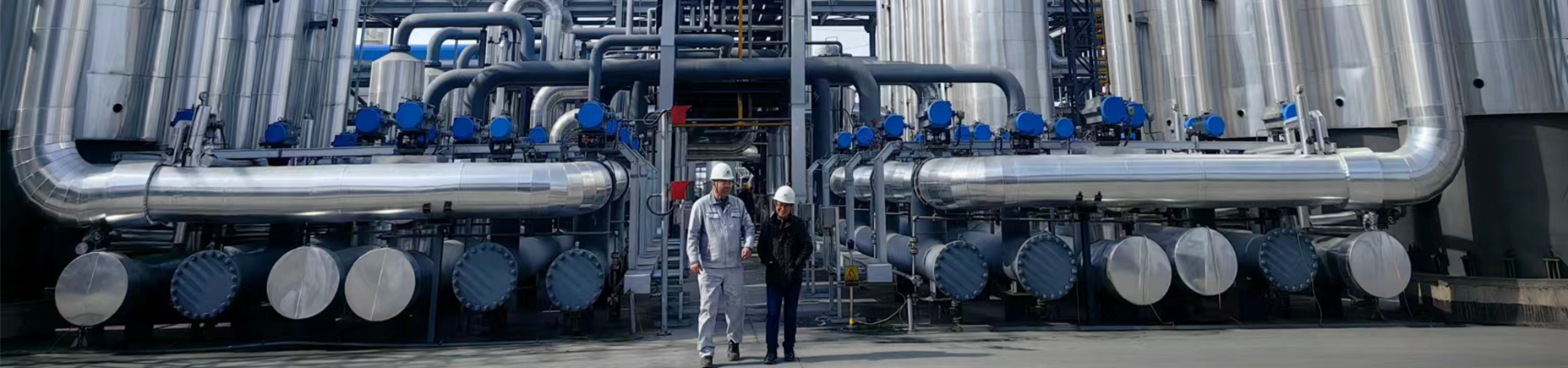
Hydrogen production by conversion of light hydrocarbons with steam
Hydrogen production by conversion of light hydrocarbons with steam
Hydrogen is the fuel of the future, a clean and environmentally friendly source of energy. Today, many are looking for ways to produce hydrogen without harming the environment. One of the promising methods is the conversion of light hydrocarbons with steam. Imagine a process where natural gas or other light hydrocarbons extracted from the ground are converted into hydrogen without emitting harmful emissions into the atmosphere.
Chemical essence of the process
The method is based on the reaction of water gas, otherwise, the reaction of hydrocarbon conversion with water vapor. Imagine that molecules of methane (the simplest hydrocarbon) and water vapor under the influence of high temperature and a catalyst are disassembled into their components - hydrogen and carbon dioxide. This process is similar to how a chemist breaks a complex molecule into simpler components. It is important that this produces hydrogen, which can be used as fuel, and carbon dioxide, with the correct organization of the process, can be captured and utilized, for example, in the production of building materials.
Advantages and Disadvantages
This method has significant advantages. The hydrogen produced in this way can be used in fuel cells, which will produce electricity without emitting harmful substances. In addition, the use of light hydrocarbons as feedstock makes the process more affordable than producing hydrogen from renewable sources.
However, there are also disadvantages. The high temperature of the process, the necessary equipment and catalysts all require significant costs. Also, it is necessary to take into account the problem of recycling carbon dioxide formed during the reaction. Although carbon capture and storage technologies are advancing, it remains a challenge.
Development prospects
Despite the challenges, hydrogen production through the conversion of light hydrocarbons with steam is a promising area. The development of new, more efficient catalysts, improved process energy efficiency, and improved carbon recovery technologies could all lead to hydrogen becoming an affordable, clean, and reliable energy source for the future. Scientific advances in catalysis and chemical engineering play a key role in achieving this goal.
Correspondingproducts
Related Products
Best Sellingproducts
Best Selling Products-
 Coal gas organic sulfur fine removal technology
 -
 Hydrogen production by conversion of light hydrocarbons with steam
 -
 Hydrogen purification technology by pressure swing adsorption
 -
 CO2 removal by pressure swing adsorption
 -
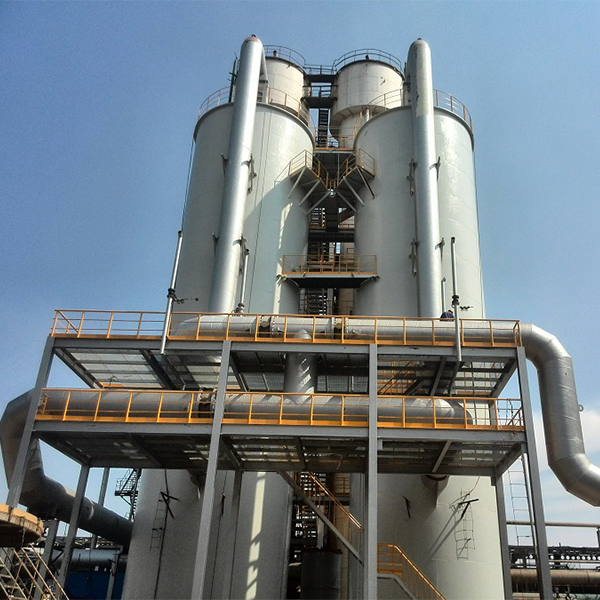 Desulfurization technology using the redox wet method
 -
 Battery material precursor production technology
 -
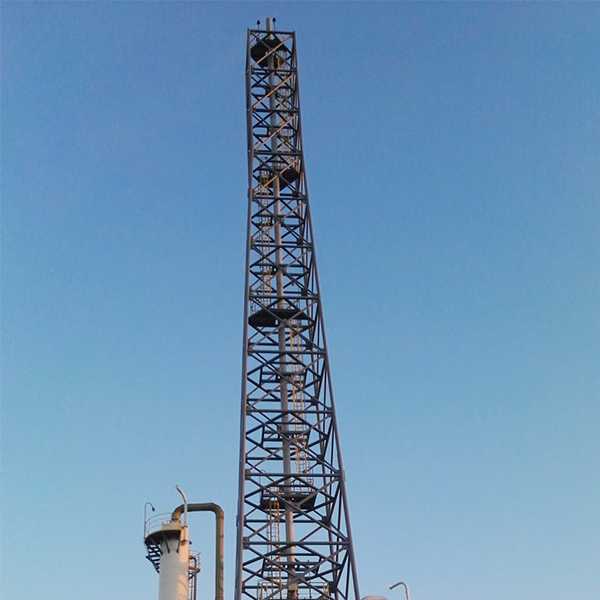 Technology of desulfurization and CO2 removal using NHD method
 -
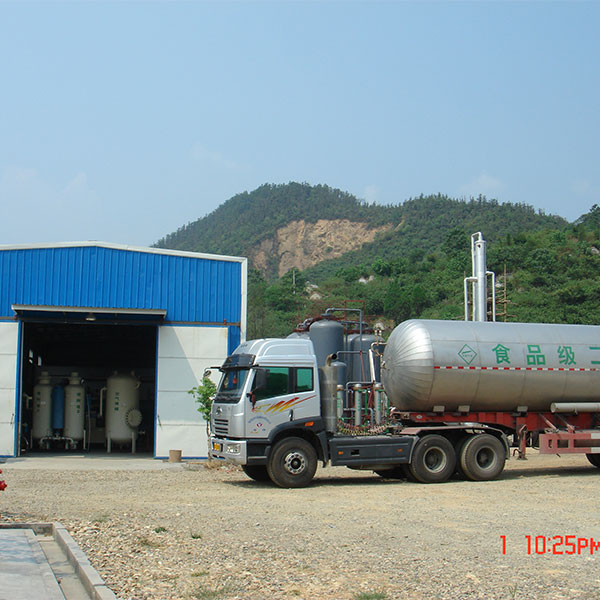 Food grade CO2 purified
 -
 Unit desalting and demineralization equipment and special resin
 -
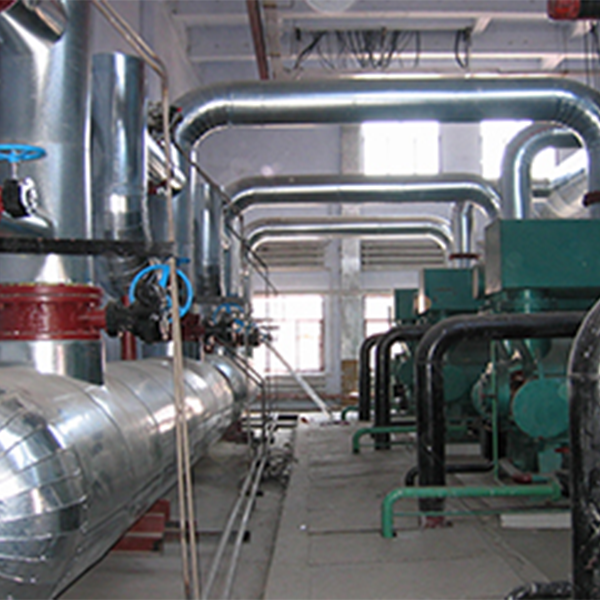 Oxygen production by pressure swing adsorption
 -
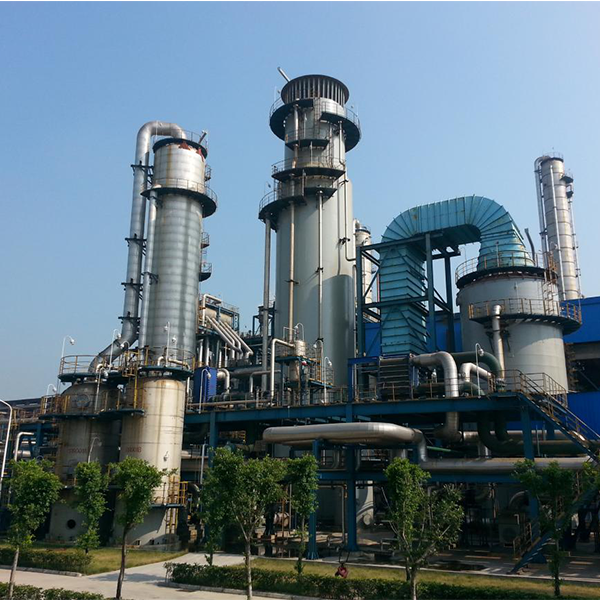 MEA-MDEA-NHD Desulfurization Technology
 -
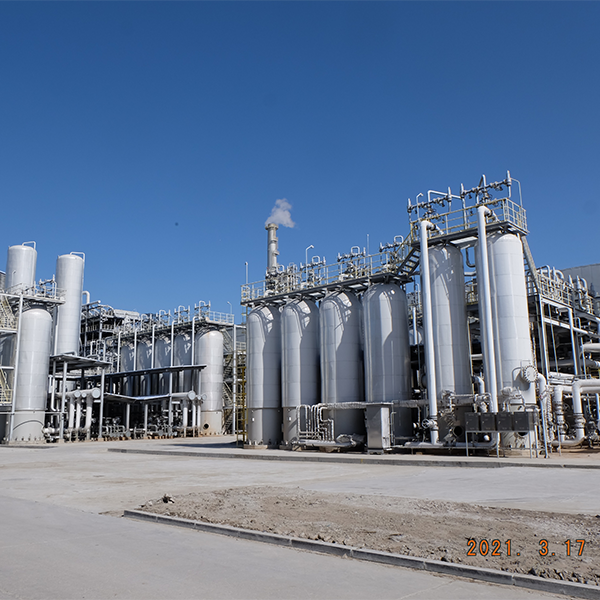 Hydrogen production from coke oven gases
Relatedsearch
Related Search- China Natural Gas Liquefaction Process Exporter
- buy a valve
- China adsorbent price Main buyer country
- Waste acid regeneration supplier
- China construction of liquefied natural gas plant exporters
- China Gas Adsorbent Suppliers
- China Mycotoxin Adsorbent Exporter
- China Injector Valve Suppliers
- adsorbent buy factory
- China valve price factory