

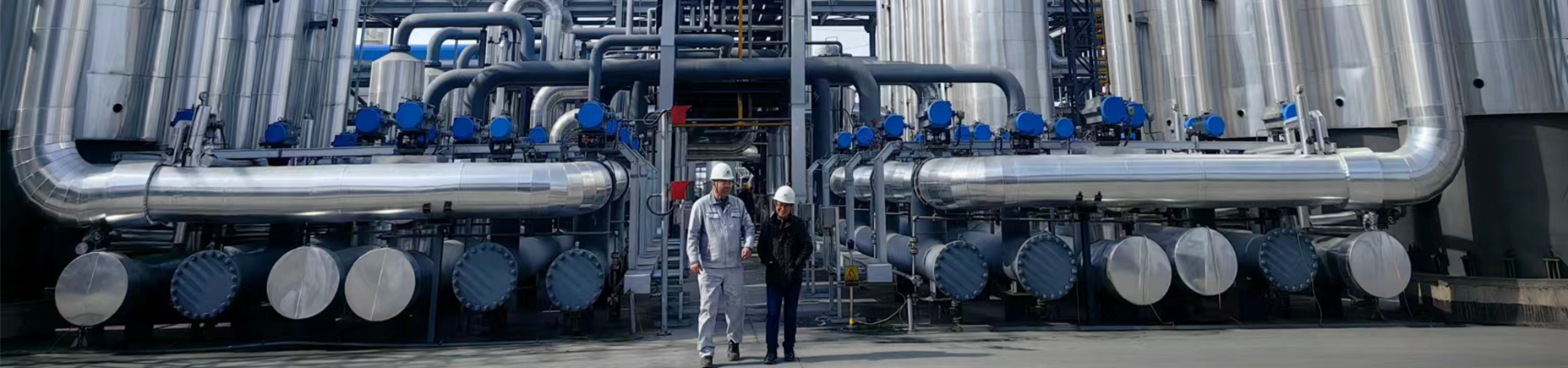
Liquefaction of natural gas
Liquefaction of natural gas
Natural gas is a valuable source of energy needed for many processes, from heating homes to generating electricity. But how can we make sure that this gas can be transported over long distances, for example, from remote fields to other countries? The answer is liquefaction.
How does liquefaction occur?
Imagine a very cold day. To turn a gas into a liquid, it must be cooled to a very low temperature. This is done using special low-temperature installations. The gas passes through a number of cooling elements where it is gradually cooled. When the critical temperature is reached, the gas turns into a liquid state. It's similar to how water turns into ice. Only instead of water - natural gas. The resulting liquid form of natural gas takes up much less space than its gas form. Thanks to this, it can be transported much more efficiently and safely over long distances in special tankers.
Advantages of liquefied natural gas (LNG)
The benefits are obvious. Due to the compactness of the liquid state, the transportation of LNG becomes economically profitable and environmentally safer than the delivery of gas in a gaseous state. This allows natural gas to be used in places where its extraction is difficult or impossible. LNG is also used to provide backup energy during times of crisis or severe frost when conventional energy sources are insufficient.
Challenges and the future
However, the process of liquefying and transporting LNG also poses some problems. The construction of liquefaction plants is expensive and requires special technologies. Also, storage and transportation of LNG requires special safety measures, since LNG is a very cold and dangerous material. All necessary precautions must be taken. However, the development of technology and increased experience makes it possible to cope with these challenges. The future lies in the use of LNG as a convenient and safe fuel. This will provide a reliable and affordable source of energy for the whole world.
Correspondingproducts
Related Products
Best Sellingproducts
Best Selling Products-
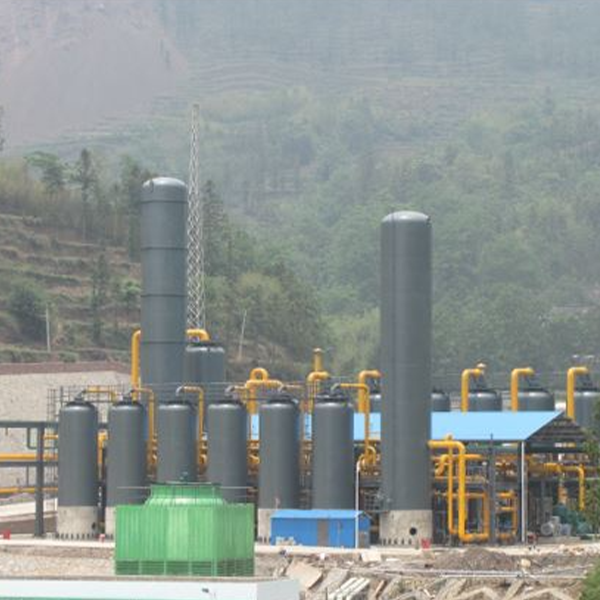 Methane extraction technology - biogas
 -
 Technology of desulfurization and CO2 removal using NHD method
 -
 Hydrogen production by splitting methanol
 -
 MPS decarbonization technology
 -
 Hydrogen production from coke oven gases
 -
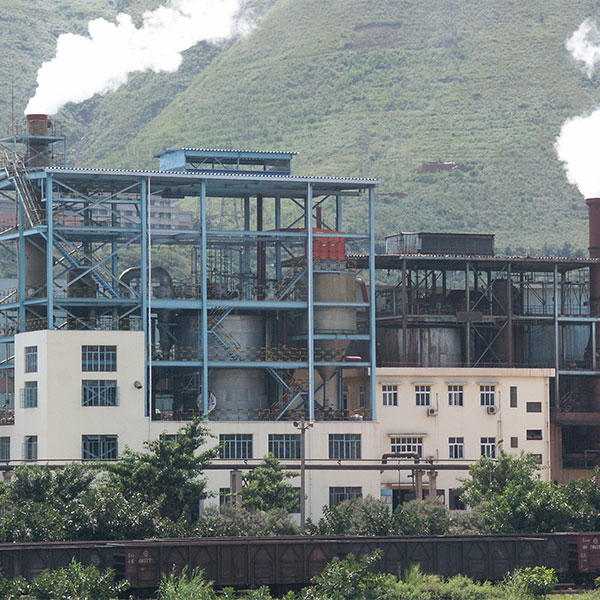 Waste acid regeneration
 -
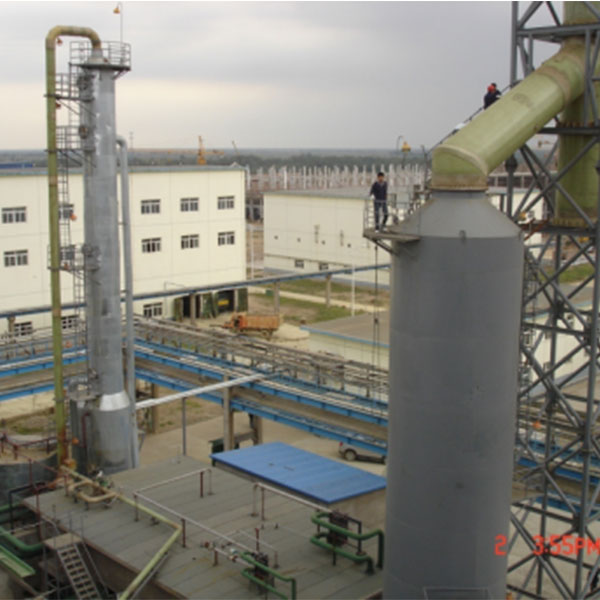 Ionic liquid desulfurization technology
 -
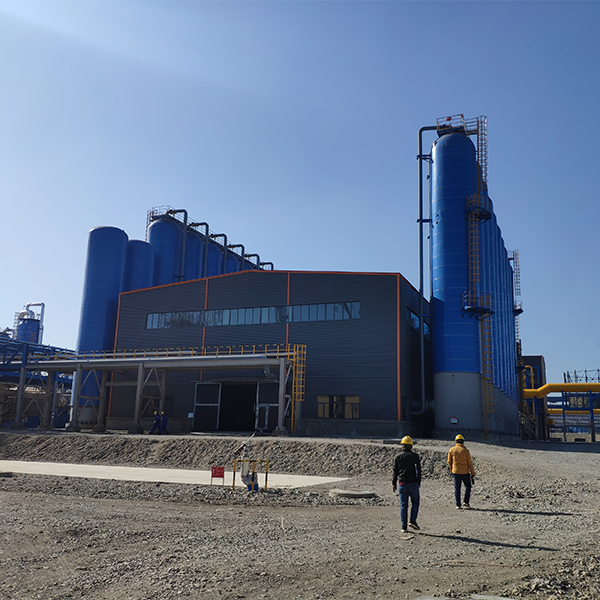 Hydrogen production by coal gasification
 -
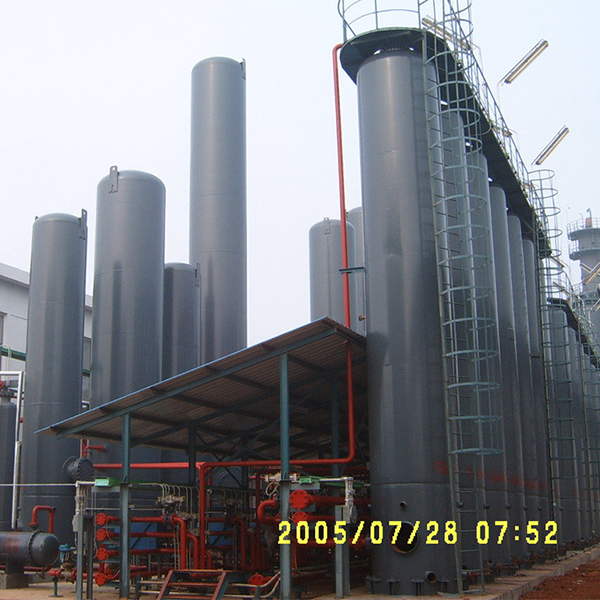 CO removal by pressure swing adsorption
 -
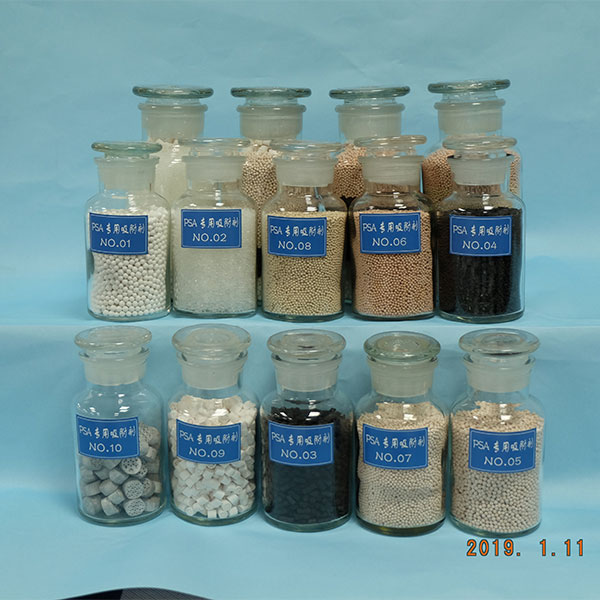 absorbent
 -
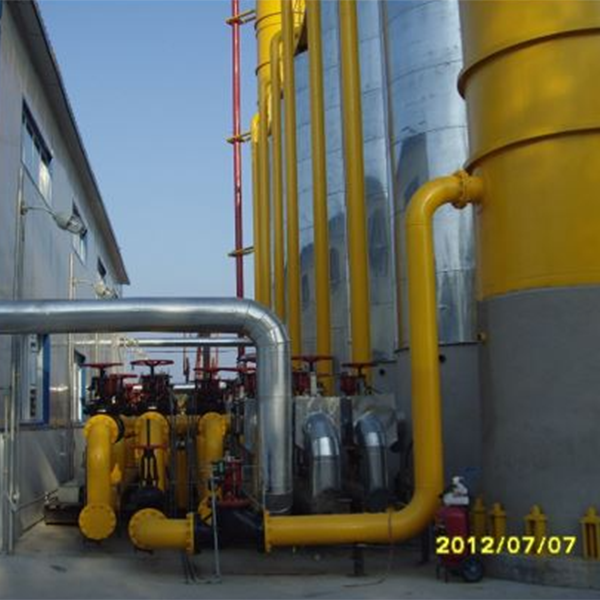 Vinyl chloride recycling technology
 -
 Battery material precursor production technology
Relatedsearch
Related Search- China Ammonia Flue Gas Desulfurization Technology Exporter
- China Food Technology CO2 Plants
- China control valve Main buyer country
- gas adsorbents
- China Desulfurization Technology MEA/MDEA/NHD Product
- China natural gas liquefaction pressure price
- China Pressure Swing Adsorption Nitrogen Production Plants
- China Hydrogen purification technology by pressure swing adsorption factories
- China adsorbents factory list
- China Ammonia Flue Gas Desulfurization Technology Exporters