


natural gas liquefaction pressure
Natural gas liquefaction pressure
Natural gas is an invaluable resource needed for many industrial processes and household needs. But in order to transport and store it, the gas must be liquefied. And this requires pressure. Let's look at how this happens and why pressure plays a key role.
How is gas liquefied?
Imagine ordinary water. To turn it into ice, you need to lower the temperature. Similarly, to convert natural gas (which is normally a gas) into a liquid state (liquefied natural gas - LNG), its temperature must be reduced to very low values - approximately minus 162 degrees Celsius. But this is not enough! The nature of gas is such that it tends to expand. In order to compress it into a liquid, external pressure must be applied. This pressure compacts the gas molecules, preventing them from flying apart, and forces them to turn into a liquid state. In large installations where liquefaction occurs, pressure is created using special compressors and cooling systems.
Why is pressure important?
High pressure plays a critical role in liquefying gas, allowing gas molecules to overcome repulsive forces and get close enough to become liquid. Without sufficient pressure, the gas will remain in a gaseous state even at low temperatures. It's like trying to squeeze a balloon of air: the harder you press, the more it shrinks. The same thing happens with natural gas.
Benefits of using pressure to liquefy
Liquefaction of natural gas is a key step for its efficient transportation over long distances. Thanks to liquefaction, gas takes up significantly less volume, which reduces the cost and volume of transport tanks, making transportation more economical. This also allows large volumes of gas to be stored in significantly smaller areas. Thus, liquefied natural gas (LNG) can be transported across the seas in special tankers, which makes it accessible to regions that do not have their own fields.
Correspondingproducts
Related Products
Best Sellingproducts
Best Selling Products-
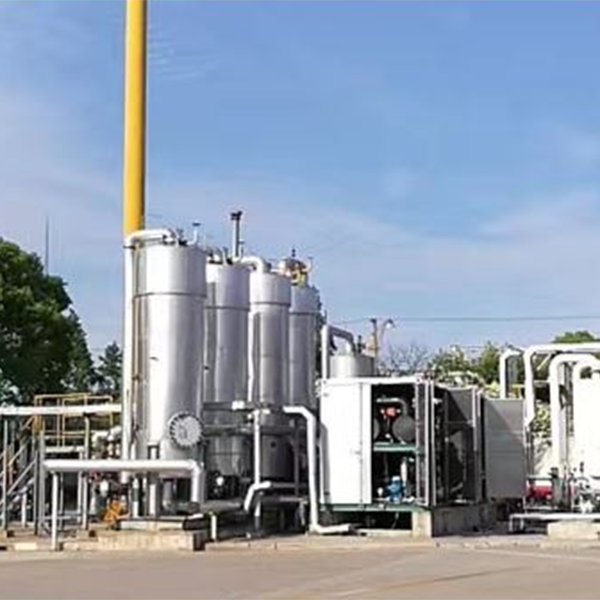 VOC tail gas disposal
 -
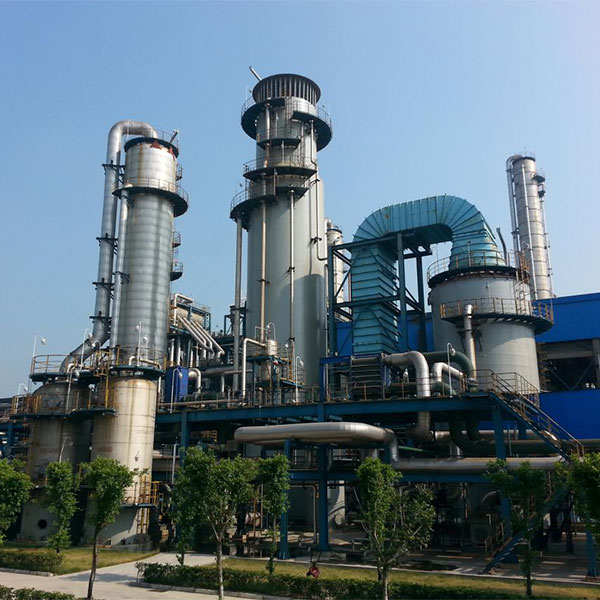 Wet CO2 removal technology
 -
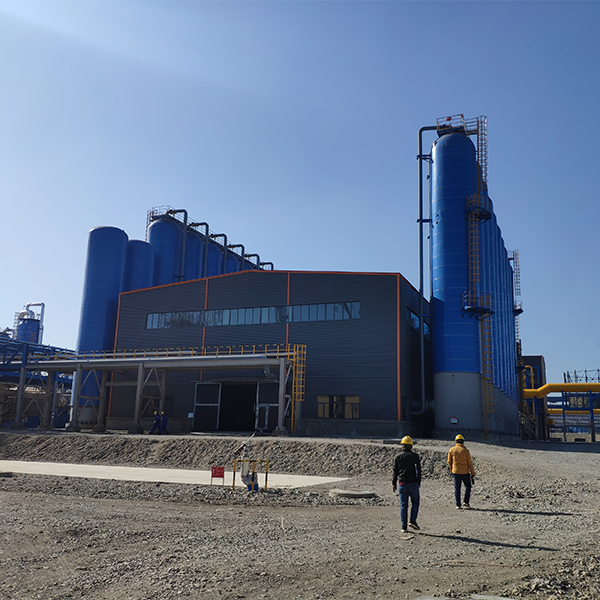 Hydrogen production by coal gasification
 -
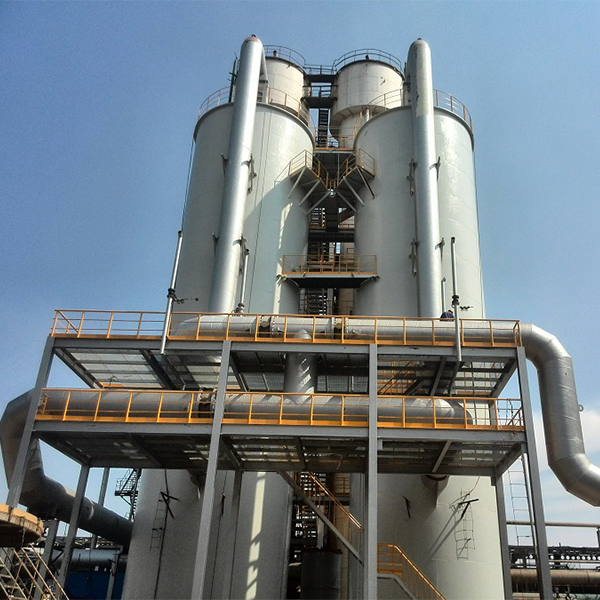 Desulfurization technology using the redox wet method
 -
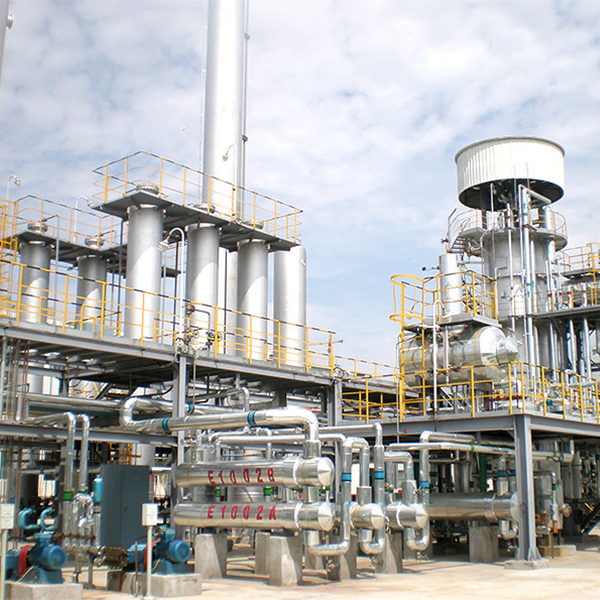 Hydrogen production by conversion of light hydrocarbons with steam
 -
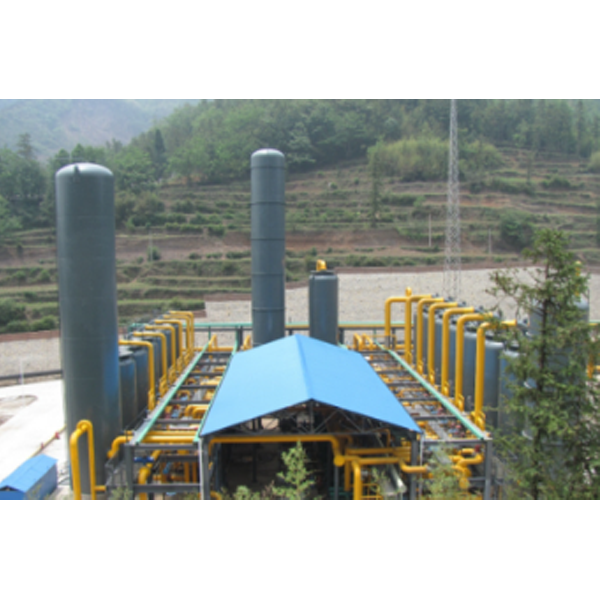 Methane extraction technology – coalbed methane
 -
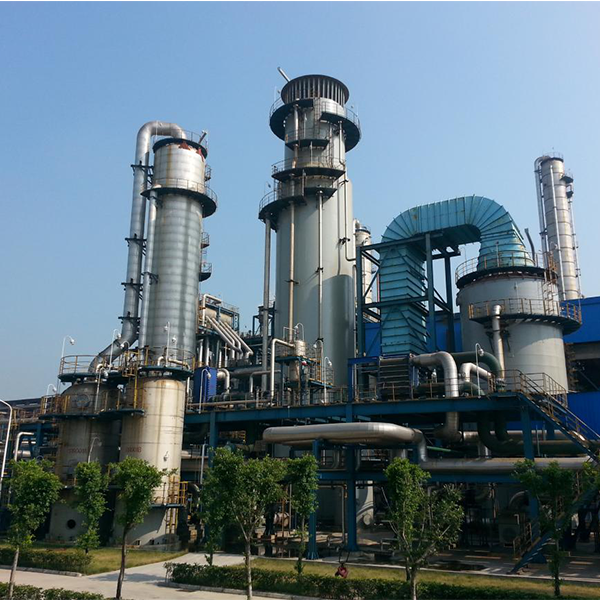 MEA-MDEA-NHD Desulfurization Technology
 -
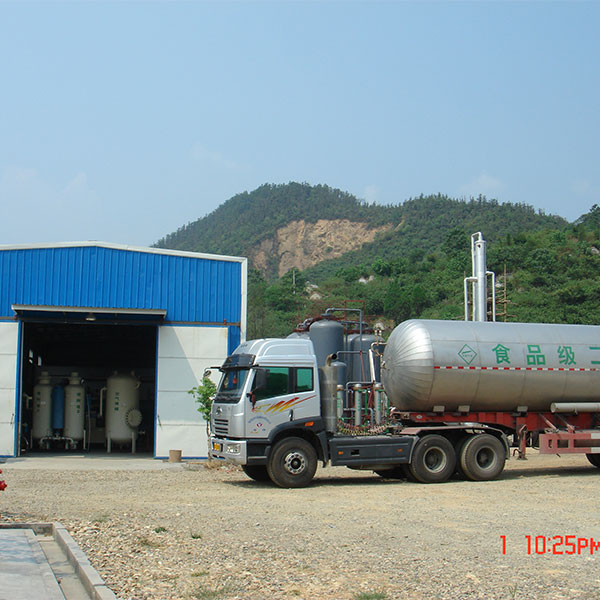 Food grade CO2 purified
 -
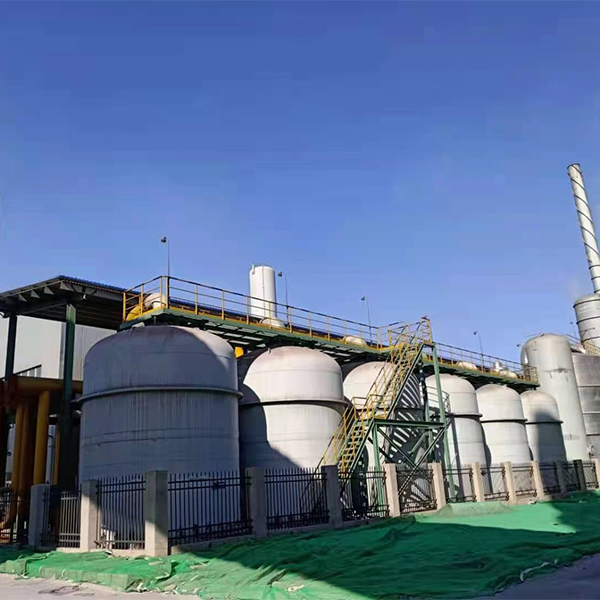 Oxygen purification and utilization
 -
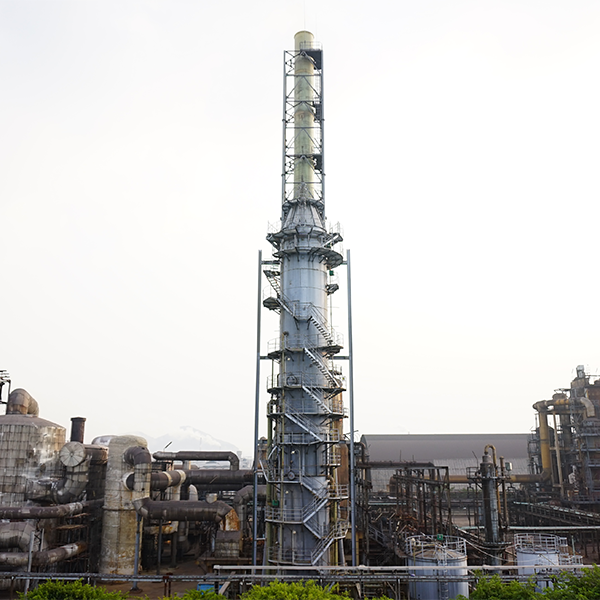 Flue gas desulfurization technology using ammonia
 -
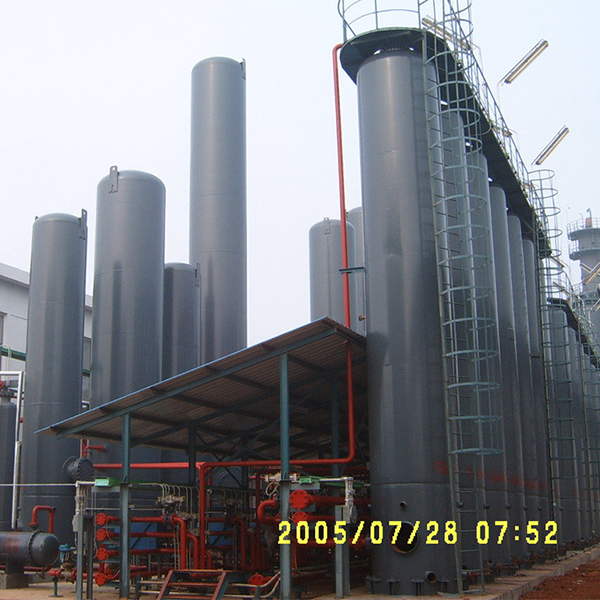 CO removal by pressure swing adsorption
 -
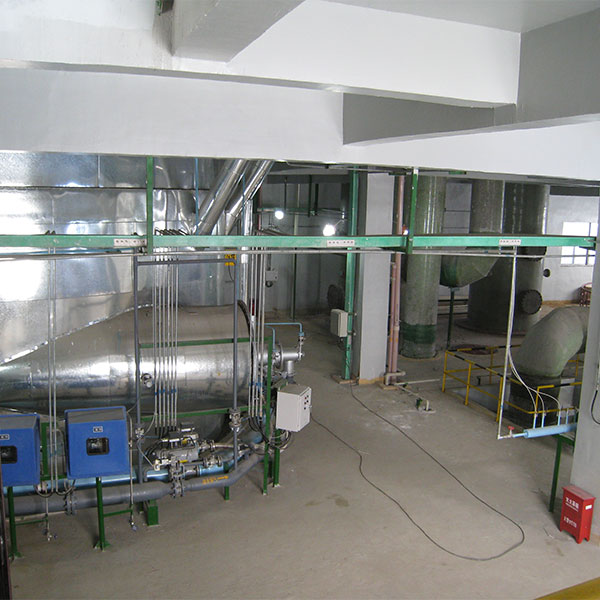 Special acid regeneration equipment
Relatedsearch
Related Search- China pressure liquefied natural gas product
- China Water Valve Suppliers
- China Air Adsorbents Supplier
- China solenoid valve products
- China natural adsorbent Main buyer country
- China Desiccant Desiccant Suppliers
- China gas adsorbent Main buyer country
- China crankcase valve Exporter
- China Liquefied natural gas price
- China ventilation valve factory