


natural gas liquefaction technology
When they talk aboutnatural gas liquefaction technology, most immediately imagine giant complexes somewhere on Yamal or Sakhalin. This, of course, is the pinnacle of the industry, but my experience suggests that the most interesting and challenging work often lies in smaller-scale projects - where it is necessary to adapt standard solutions to specific, sometimes rather cramped conditions. It is in this niche that my colleagues and I from Chengdu Yizhi Technology Co. (https://www.yzkjhx.ru) and spin. The company, established by Huaxi Technology back in 2013 with a registered capital of 120 million yuan, positions itself as a design institute, and this is the key word. We don't just sell equipment, we design solutions, and that's the whole point.
From project documentation to the 'field' - where the pitfalls lie
In theory, everything is smooth: there is gas, there are performance requirements, you choose a licensed technology - say, cascade or using mixed refrigerants - and go ahead. But in practice, especially when it comes to modular or small-scale LNG installations for local needs or refueling vehicles, the fun begins. A client from a region with a sharply continental climate wants the installation to work even at -50°C, and another wants it to fit into an area the size of a football field, and even take seismic into account. The standard catalog is often powerless here.
I remember one of the early projects where we, relying on the expertise of Chengdu Yizhi Technology Co., Ltd., designed a gas pre-treatment system. It would seem like a routine: removal of water, hydrogen sulfide, carbon dioxide. But the composition of the raw materials at the client field floated more than expected. We had to revise the adsorption cycles on the fly and build in a larger reserve for the throughput of molecular sieves. If they had done it strictly according to the original specifications, after six months they would have encountered frequent shutdowns for regeneration. This is the very moment when a design institute should work not as a executor of drawings, but as an analytical engineer.
Or here’s another nuance that is rarely written about in textbooks: refrigerant logistics. For smaller installations, especially in remote areas, a consistent supply of ethane or propane for the cycle can be golden. Sometimes it is necessary to consider hybrid designs or more carefully optimize heat exchangers to reduce their consumption. This is not a global optimization on the scale of Yamal LNG, but for a specific customer it is a question of the viability of the entire project.
Equipment: choosing between 'proven' and 'optimal'
There is always a dilemma here. On the one hand, the market is flooded with proven turboexpanders and heat exchangers from giants like Linde or Air Products. They are reliable, but their use in a custom project often means “tying” the entire technology to their dimensions and parameters. On the other hand, there are lesser-known but flexible manufacturers, especially from Asia, who are ready to customize their product to suit your needs.
When working on projects for Chengdu Yizhi Technology Co., we often balance on this brink. For example, for one project to produce liquefied natural gas for a gas filling station, a compact main cryogenic heat exchanger was key. Standard plate-brazed devices were not suitable in terms of hydraulic resistance for our specific refrigerant composition. As a result, after long calculations and negotiations, we settled on a spiral-type coaxial heat exchanger from a Korean manufacturer. Risk? Undoubtedly. But it made it possible to fit within the limits on the occupied area and reach the declared liquefaction efficiency.
But with compressors the story is almost always conservative. Reliability is an absolute priority. Failure of the compressor shop means a complete shutdown of the line and colossal losses. Therefore, even in the most innovative, at first glance, projects, the “heart” of the system is often a screw or piston compressor from a trusted brand, around which the rest of the more flexible piping and control system is already built.
Management and 'intelligence' of installations: trends and reality
Now it is fashionable to talk about digitalization and smart factories. In large projects this is already the norm: complex process control systems, predictive analytics systems, digital twins. But in the segment of medium and small capacities, where our institute operates, the implementation of such solutions is always a matter of economics. The customer asks: 'What will this give me in rubles or in tons of LNG?'
We introduce elements of 'intelligence' in a targeted manner. For example, we developed and adapted for several of our projects an algorithm for adaptive control of the liquefaction cycle depending on the ambient temperature and the pressure of the incoming gas. This is not a full-fledged digital twin, but rather an advanced PID controller with a model prescribed by our own technologists. The result is energy savings on compression of up to 5-7% per year. For the client this is a direct saving, and he is willing to pay for it.
But there was also an unsuccessful attempt to implement a predictive maintenance system based on vibration diagnostics of a turboexpander. The equipment was not the newest, additional sensors had to be installed, and the algorithms “learned” for too long and constantly generated false alarms. As a result, the station staff simply turned off the system. Conclusion: any 'smart' add-on should be as easy to maintain as possible for the customer himself and solve one specific problem that is understandable to him. Otherwise it's just a waste of money.
Security: paranoia that is justified
Working with cryogenic temperatures and flammable gases is unforgiving. Everyone knows about the need for explosion protection systems, gas detectors, and emergency venting devices. But in the field, the devil is in the details, which are not always visible during the design phase at the Chengdu Yizhi Technology Co. office.
One incident is firmly etched in my memory. During the commissioning of the modular unit, after successfully reaching the operating mode, it was discovered that the flange connection on the liquid product line at a height of about 4 meters was “sweating” - light frost had appeared. There were no temperature sensors on it (they weren’t included in the project, since it was “just” a drainage line). Upon detailed inspection with a thermal imager, it turned out that there was a micro-leak caused by uneven tightening of the bolts during installation by a subcontractor. Trifle? In a regular industry, perhaps. Bnatural gas liquefaction technologiessuch a 'little thing' could lead to the gradual development of a fatigue crack and a serious leak. Since then, our standard projects have included mandatory thermal imaging of all cryogenic lines as part of acceptance tests.
Another critical point is staff training. You can design the safest system possible, but if the on-site operator does not understand the physics of the liquefaction process—why, for example, certain valves cannot be closed quickly when shutting down to avoid water hammer in the supercooled fluid—the risk of an accident increases exponentially. Therefore, now we insist on including in the contract not just the supply of instructions, but the conduct of in-depth training in Russian with the simulation of emergency situations. This often becomes our competitive advantage.
Small-scale economics: when the numbers don't add up
We often hear: 'Let's build our own small LNG plant, it's profitable!' And here comes the moment of harsh reality.Natural gas liquefaction technologyenergy intensive by definition. The key indicator is specific energy consumption per kilogram of product. In large plants, it reaches record lows due to economies of scale and super-optimized cycles. On a small scale, you have to fight for every kilowatt-hour manually, and this has a dramatic effect on the cost.
There was a project where the customer wanted to use associated petroleum gas from a small field. The debit was unstable, the composition was even worse. After all the calculations, it turned out that even with zero cost of raw materials (which, of course, is not the case), capital costs for construction and, most importantly, operating costs for electricity for compression and cooling made the project sub-economical. The alternative—the construction of a mini-hydroelectric power station for self-sufficiency—killed the project’s payback period. I had to honestly refuse and recommend a simpler solution - gas treatment and supply to the pipeline, rather than liquefaction.
On the other hand, there are successful cases where there is a ready-made infrastructure and clear sales. For example, the same gas filling station for trucks on a busy highway. Here the LNG plant operates as part of a logistics hub, and its economics are not considered in isolation, but within the entire value chain. Our approach as a design institute works in such projects: we calculate not only the technological chain, but also how it fits into the customer’s business process. This is perhaps the main thing that distinguishes us from just equipment suppliers. In the endnatural gas liquefaction- this is not a goal, but a means to solve a specific economic problem. And understanding this task is even more important than knowing all the phase diagrams of methane by heart.
Correspondingproducts
Related Products
Best Sellingproducts
Best Selling Products-
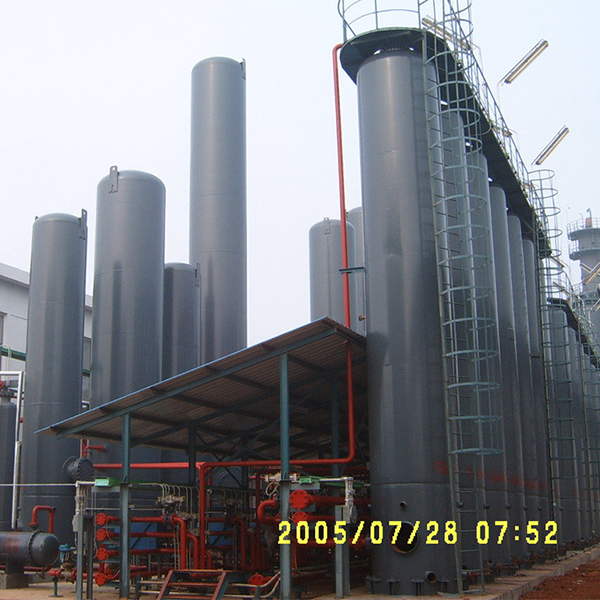 CO removal by pressure swing adsorption
 -
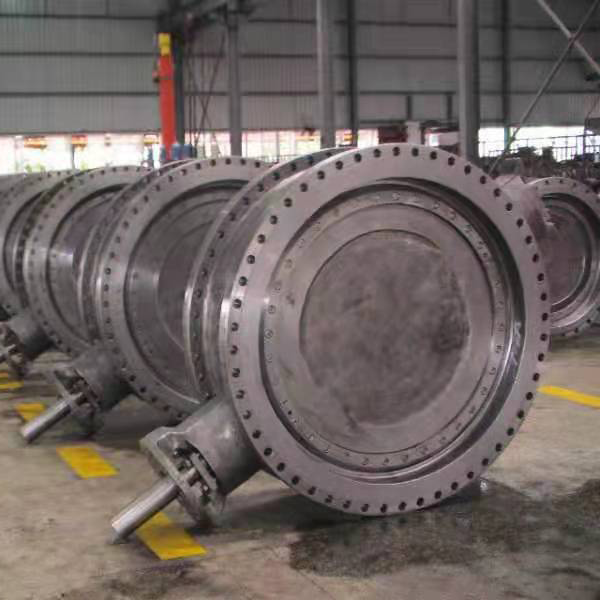 Valve
Valve -
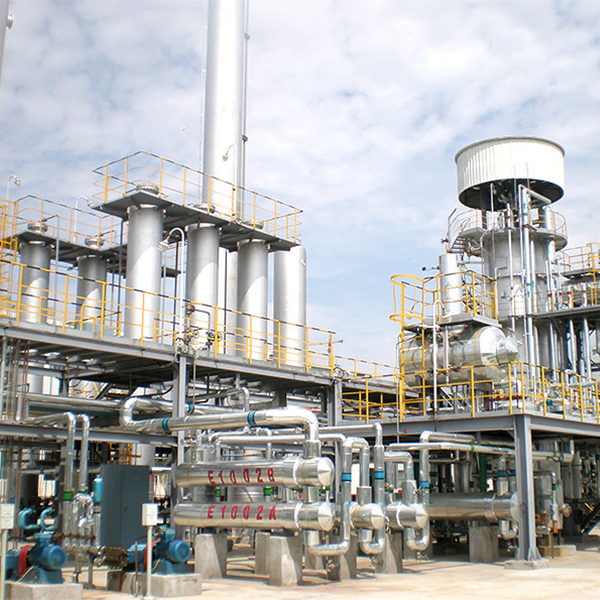 Hydrogen production by conversion of light hydrocarbons with steam
 -
 Hydrogen purification technology by pressure swing adsorption
 -
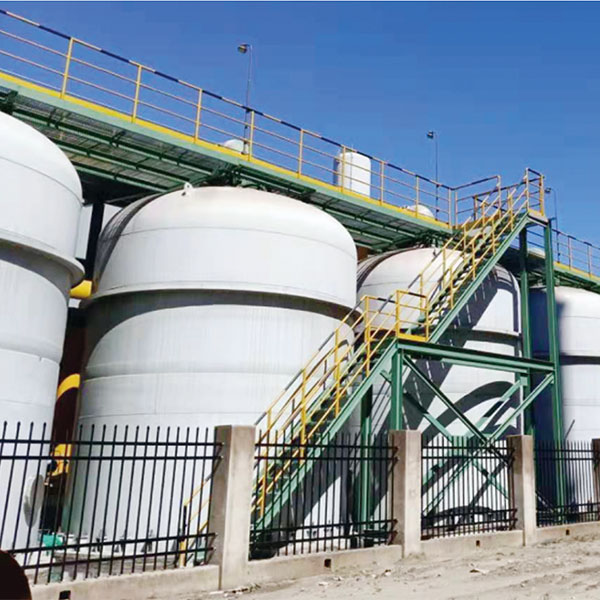 Flue gas CO2 recovery technology
 -
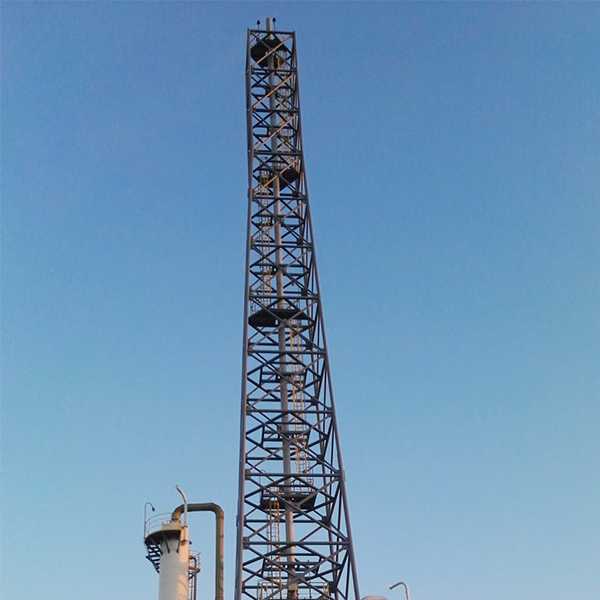 Technology of desulfurization and CO2 removal using NHD method
 -
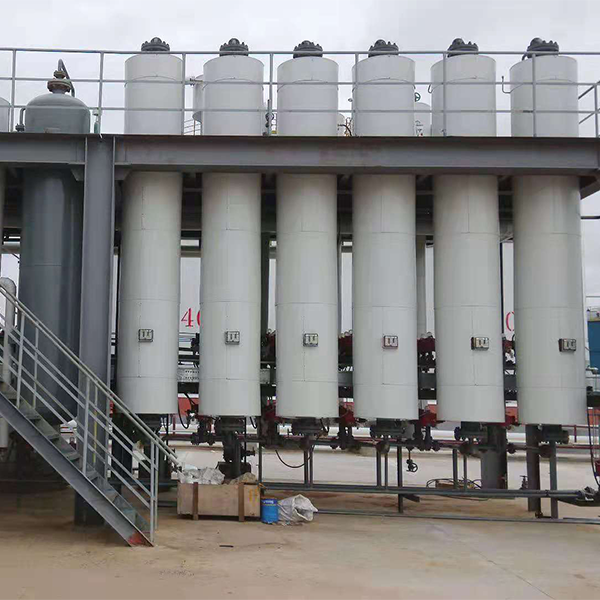 Hydrogen production by splitting methanol
 -
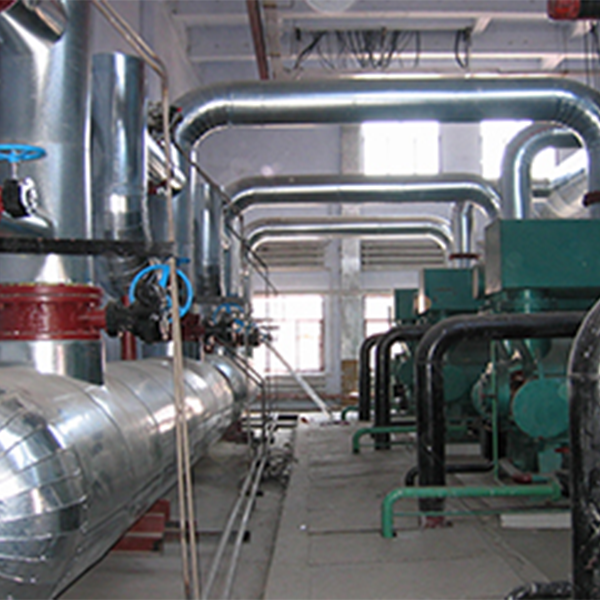 Oxygen production by pressure swing adsorption
 -
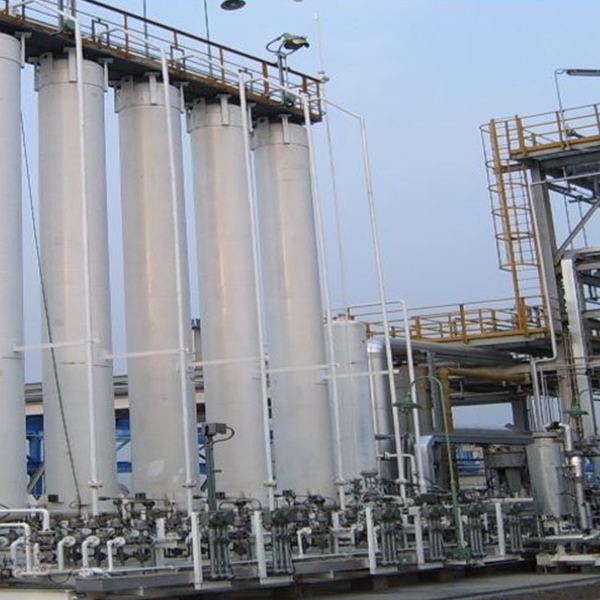 Argon purification
 -
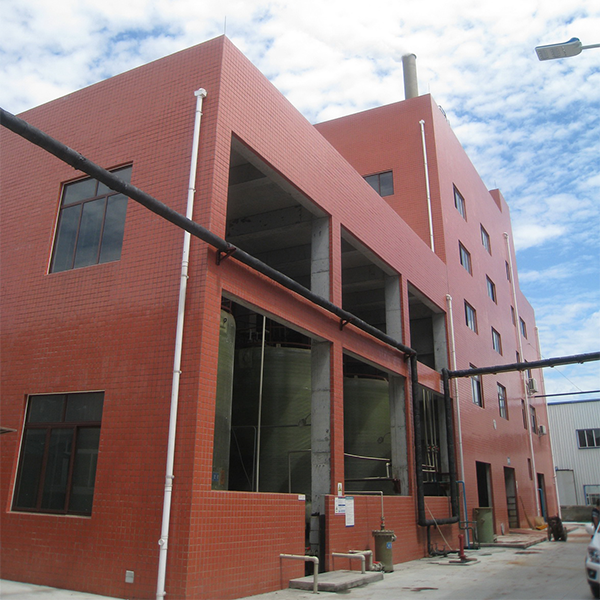 Battery material precursor production technology
 -
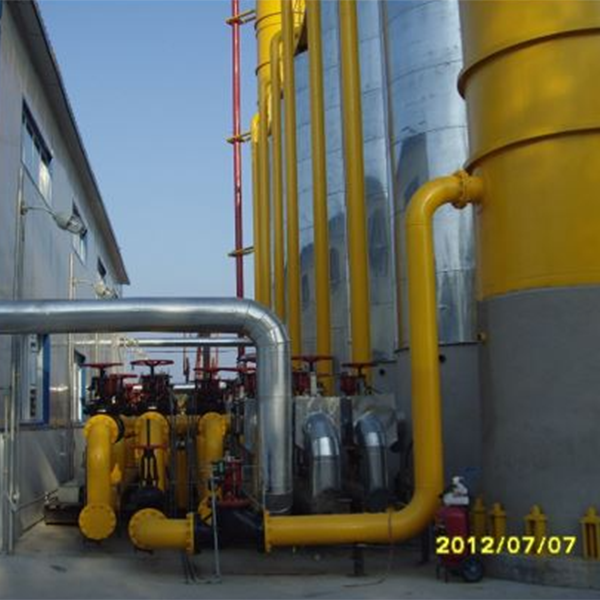 Vinyl chloride recycling technology
 -
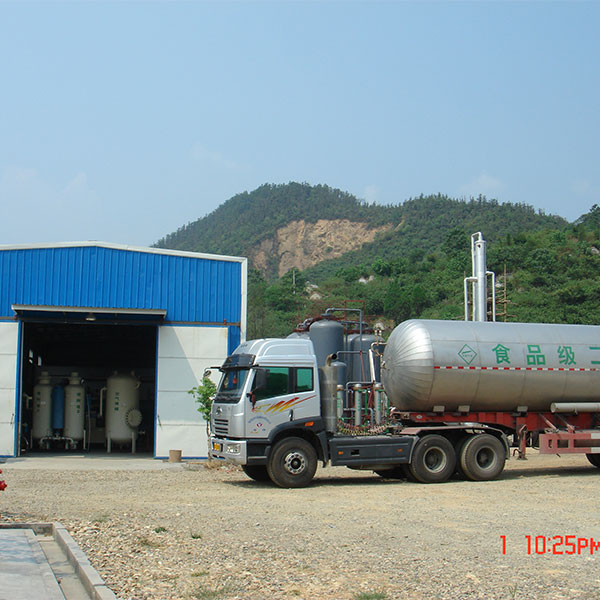 Food grade CO2 purified
Relatedsearch
Related Search- Adsorption activated carbon
- natural gas liquefaction conditions
- China Natural Gas Liquefaction Process Exporter
- China Desalting and Demineralization Unit Equipment and Special Resin Factories
- China Flue Gas CO2 Recovery Technology Manufacturers
- China Ionic Liquid Desulfurization Technology Exporters
- China O2 Removal by Pressure Swing Adsorption Exporter
- China Desalting and Demineralization Unit Equipment and Special Resin Main Buyer Country
- China Nitrogen production by pressure swing adsorption Main buyer country
- adsorbents preparations