

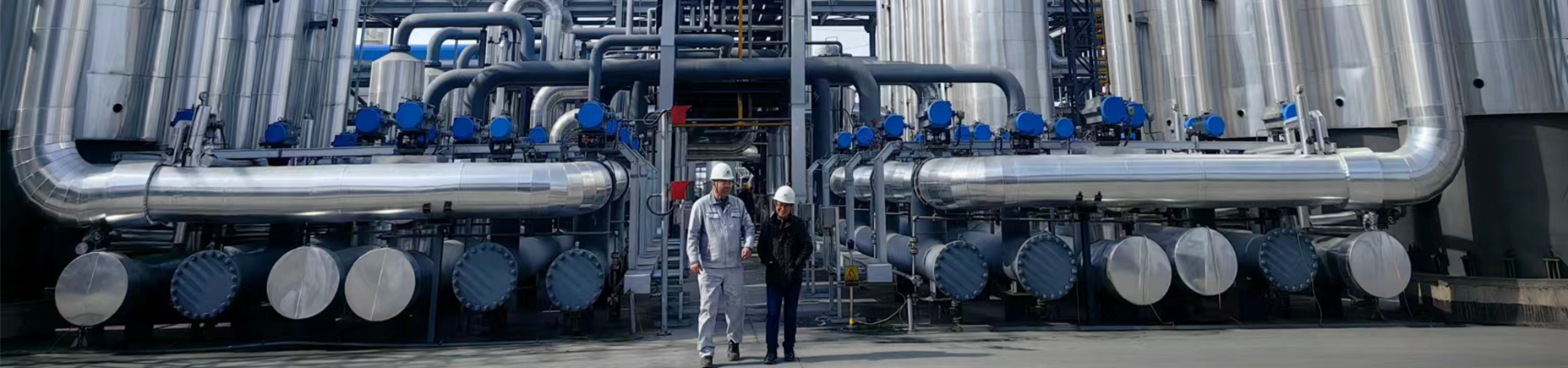
China natural gas liquefaction methods Main buyer country
China: natural gas liquefaction methods - the main buyer country
China is the world's largest importer of liquefied natural gas (LNG). This is due to several factors: a growing economy, energy demand and limited natural gas reserves. But how does this gas turn into liquefied gas? And why is China so actively buying it?
Natural gas liquefaction technologies
The process of liquefying natural gas is based on cooling the gas to a very low temperature. This is achieved through a multi-step process. Basically, natural gas (methane) passes through a variety of heat exchangers and refrigeration units that successively reduce its temperature. To do this, different technologies are used, each with its own advantages and disadvantages. Ultimately, the gas turns into a liquid state, occupying significantly less volume, which makes its transportation easier and cheaper. So, instead of giant pipelines used for conventional gas, tankers and specialized ports can be used.
Why is China so actively importing LNG?
At first glance, it may seem that liquefied gas is simply a more convenient form of transportation. However, the reasons for China are deeper. The country needs alternative energy sources to meet the growing demand of industry and population. Local natural gas reserves may not always meet demand. In addition, LNG allows diversification of energy supply sources, reducing dependence on one specific region. This is strategically important, because China’s economy is incredibly dynamic and requires a constant supply of energy.
Impact on global markets
China's strong demand has a significant impact on the global LNG market. This affects prices, production volumes and how gas infrastructures develop around the world. Chinese investments in new LNG production and transportation projects are changing the global energy landscape. And all this affects the stability of energy markets and, accordingly, the pricing and availability of energy resources for other countries. As a result, the complex landscape of global markets and the economic policies of different countries play a huge role in shaping pricing and availability.
Correspondingproducts
Related Products

Best Sellingproducts
Best Selling Products-
 MPS decarbonization technology
 -
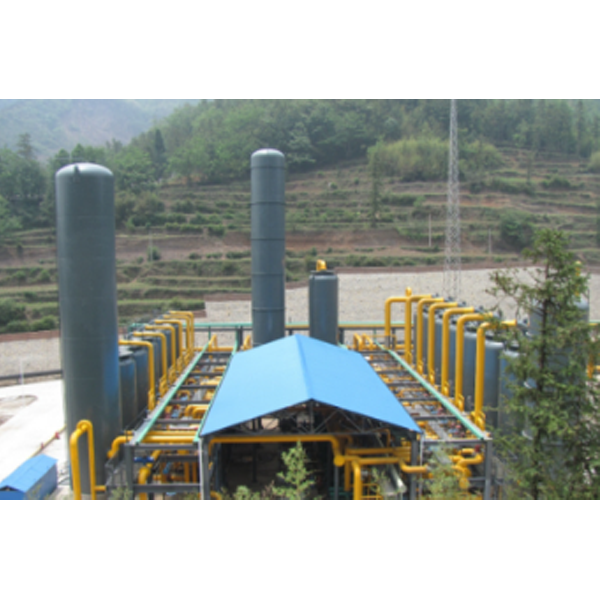 Methane extraction technology – coalbed methane
 -
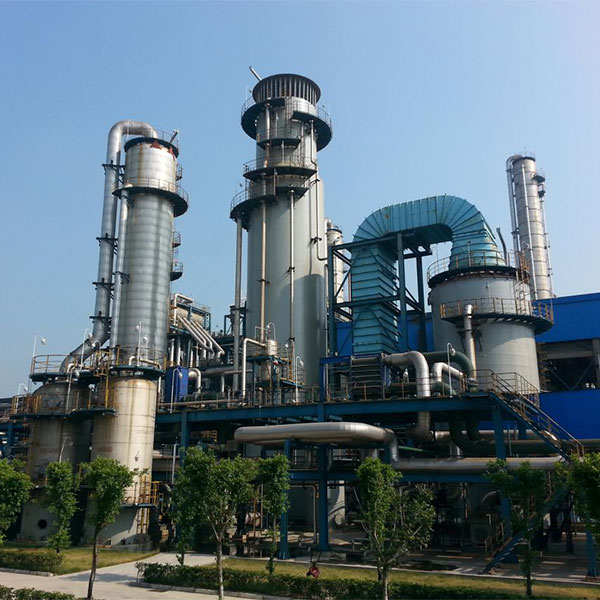 Wet CO2 removal technology
 -
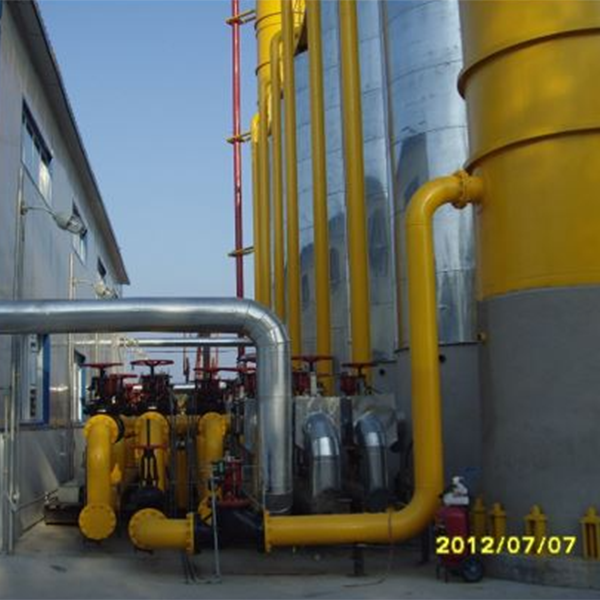 Vinyl chloride recycling technology
 -
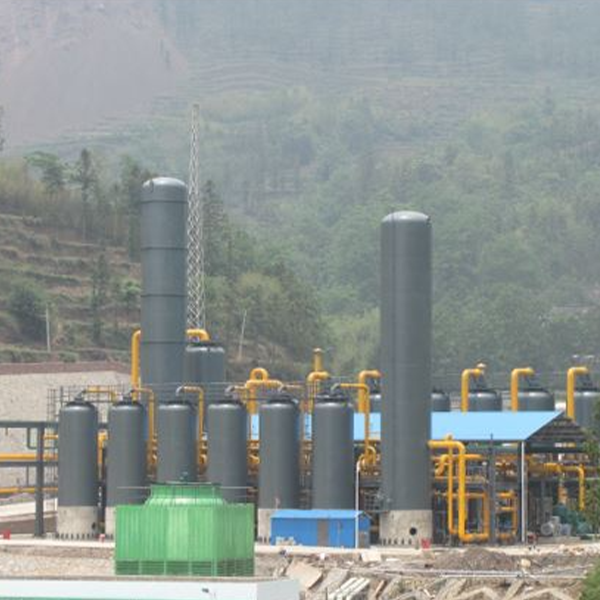 Methane extraction technology - biogas
 -
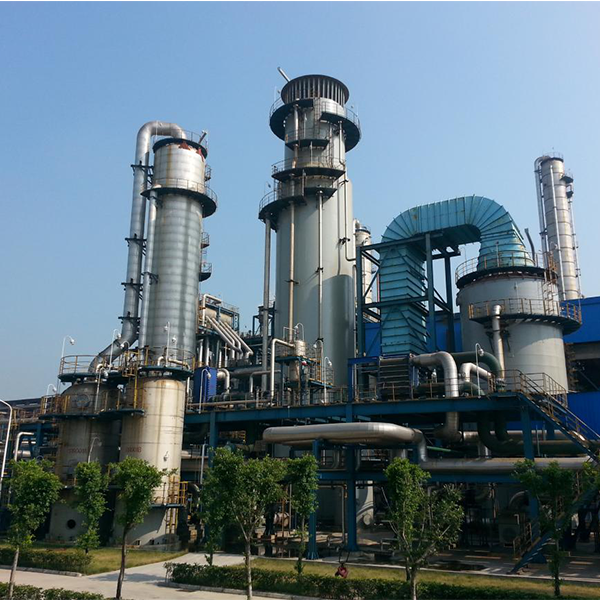 MEA-MDEA-NHD Desulfurization Technology
 -
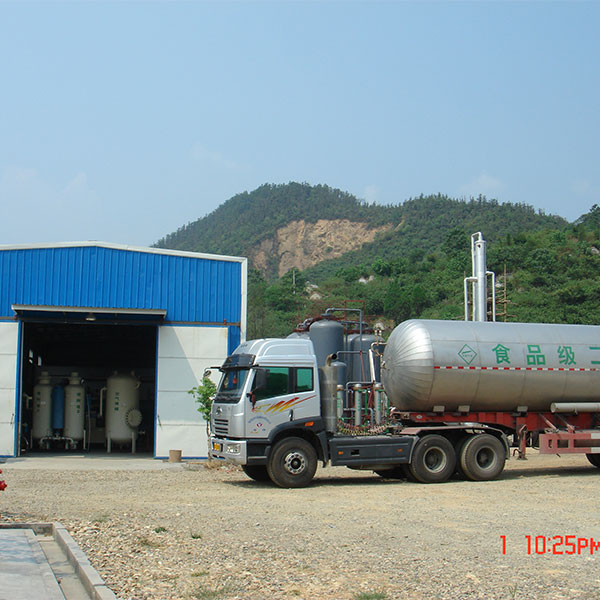 Food grade CO2 purified
 -
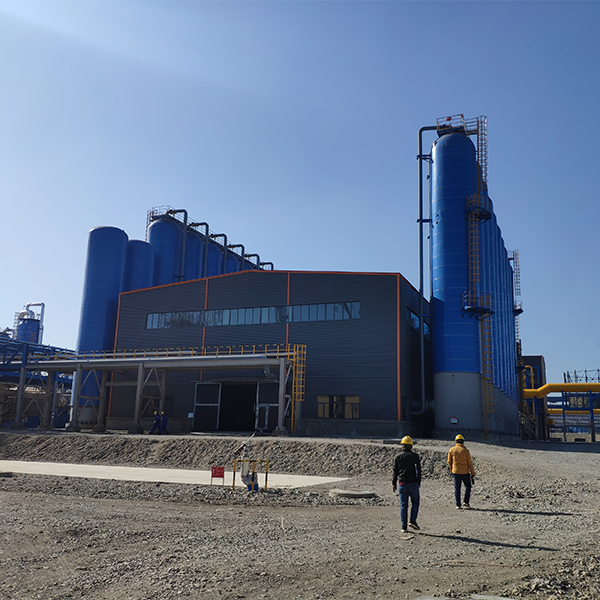 Hydrogen production by coal gasification
 -
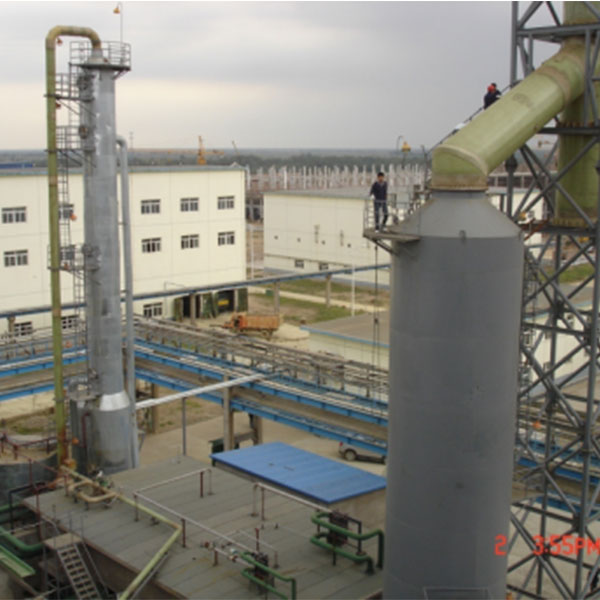 Ionic liquid desulfurization technology
 -
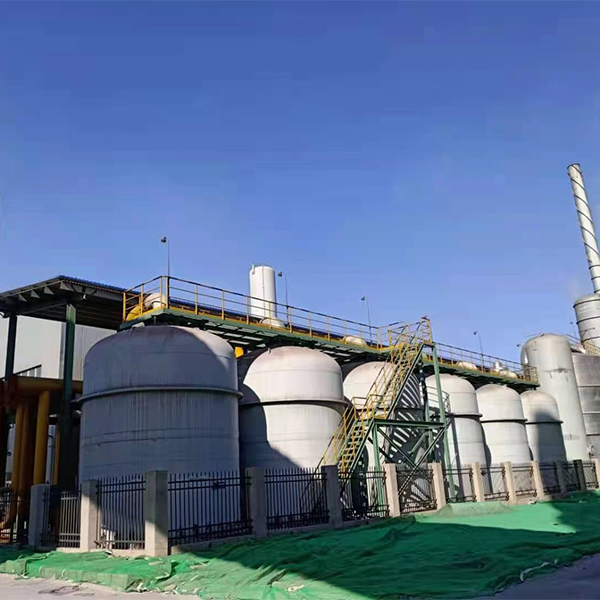 Oxygen purification and utilization
 -
 Hydrogen purification technology by pressure swing adsorption
 -
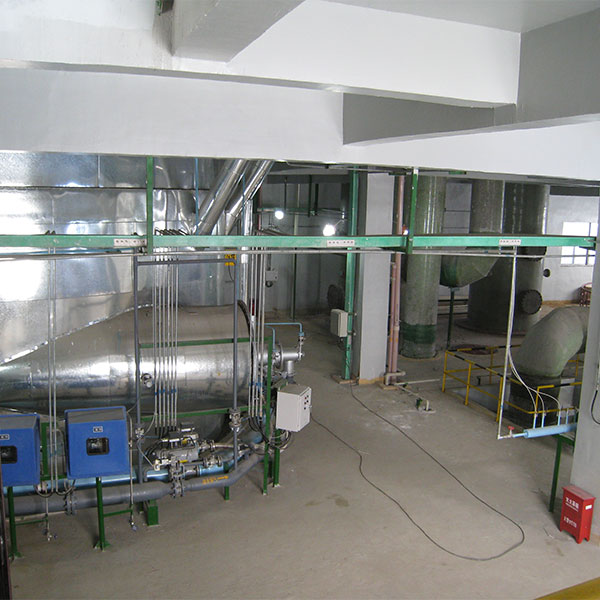 Special acid regeneration equipment
Relatedsearch
Related Search- China desiccant desiccant factories
- China KAMAZ valve Main buyer country
- gas adsorbent
- China adsorbent production exporters
- China O2 removal by pressure swing adsorption factories
- adsorbents list
- adsorbents drugs supplier
- water adsorbents
- adsorbents drugs list of the best suppliers
- China Wet Redox Desulfurization Technology Manufacturer