


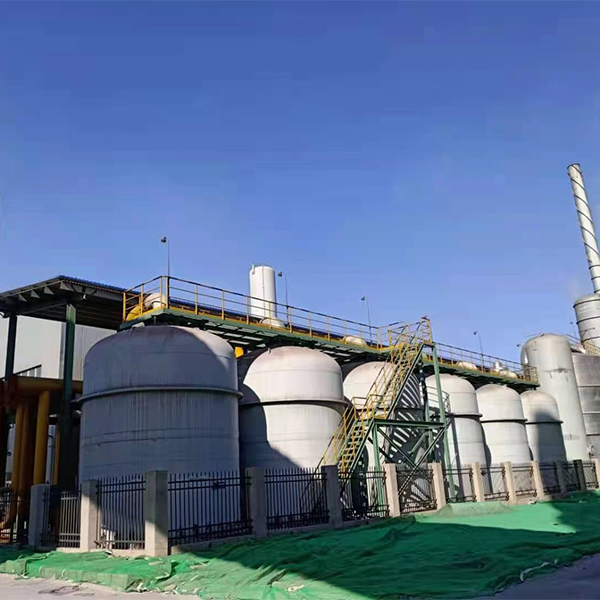
Ionic liquid desulfurization technology plant
Ionic liquid desulfurization technology at the plant
Modern factories, especially those working with fuel and various chemical processes, are faced with the problem of polluting emissions with sulfur compounds. These emissions are harmful to the environment and require cleanup. One promising method for solving this problem is desulfurization using ionic liquids.
What is an ionic liquid?
Ionic liquids are special substances that are liquid at room temperature, but their structure resembles salts. Their unique property is the ability to effectively interact with various substances, including sulfur compounds. Think of them as powerful cleaning agents for pollutants, but they're much more selective and environmentally friendly than some traditional methods. Thanks to this, they allow you to catch and capture sulfur compounds from the gas stream, effectively purifying them.
How does technology work in a factory?
The desulfurization process using ionic liquids in a plant typically occurs in several steps. First, gases containing sulfur pass through a special reactor, where an ionic liquid comes into contact with them. The ionic liquid, like a magnet, attracts and binds sulfur compounds. The purified gases are then released into the atmosphere, and the ionic liquid containing the captured sulfur can either be regenerated by recycling it or used for other purposes. The entire system is designed to minimize waste and pollution. All this happens on the principle of trapping harmful components, as if we were separating dirt from water.
Advantages of ionic liquids over traditional methods
The use of ionic liquids has several advantages over traditional desulfurization methods. Firstly, they are much more selective, attracting only sulfur compounds without affecting other components. This significantly reduces the amount of by-products and increases the efficiency of the process. Second, they can operate at lower temperatures, which saves energy and reduces plant costs. Finally, ionic liquids can, in most cases, be regenerated later, making their use a cost-effective and environmentally friendly way to reduce pollutant emissions. This method helps businesses meet strict environmental regulations while protecting the environment.
Correspondingproducts
Related Products
Best Sellingproducts
Best Selling Products-
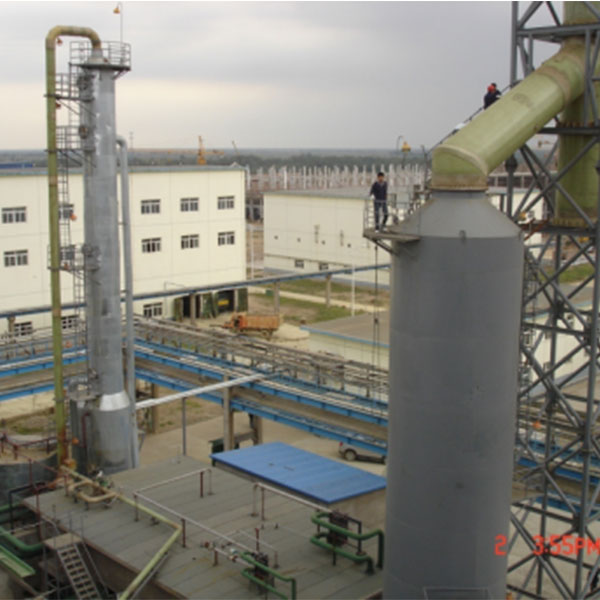 Ionic liquid desulfurization technology
 -
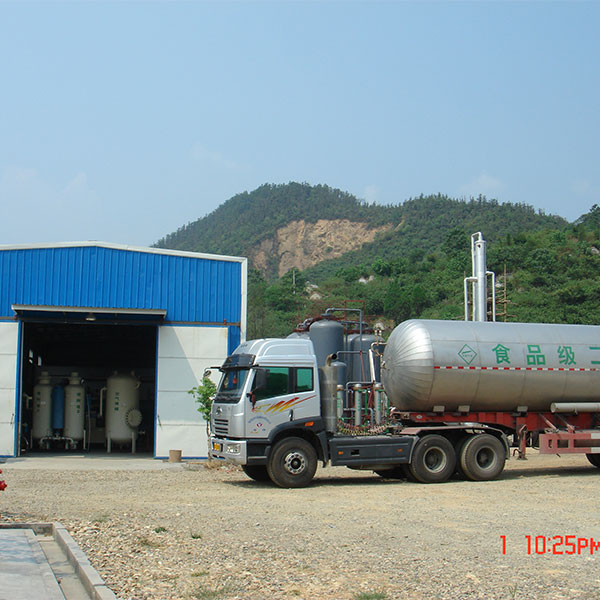 Food grade CO2 purified
 -
 Battery material precursor production technology
 -
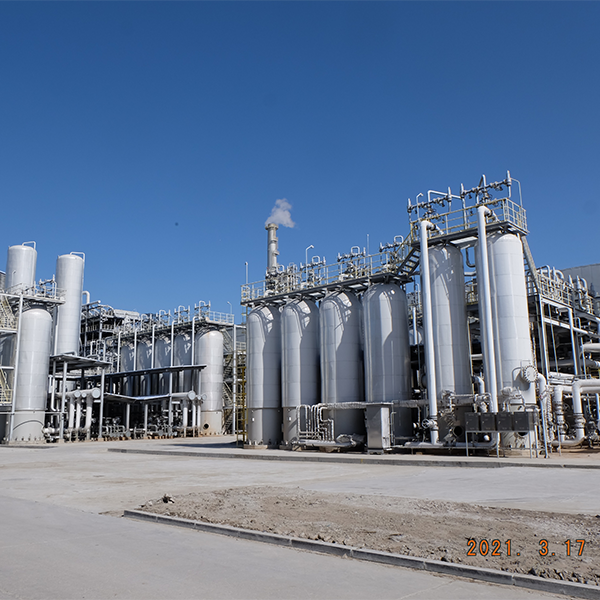 Hydrogen production from coke oven gases
 -
 MPS decarbonization technology
 -
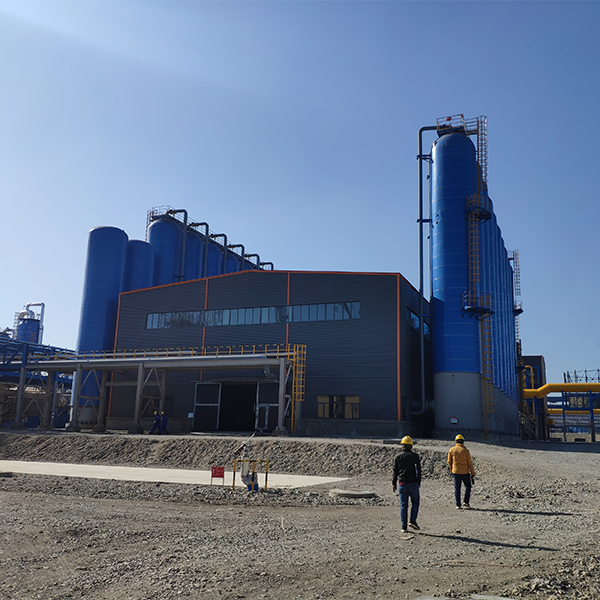 Hydrogen production by coal gasification
 -
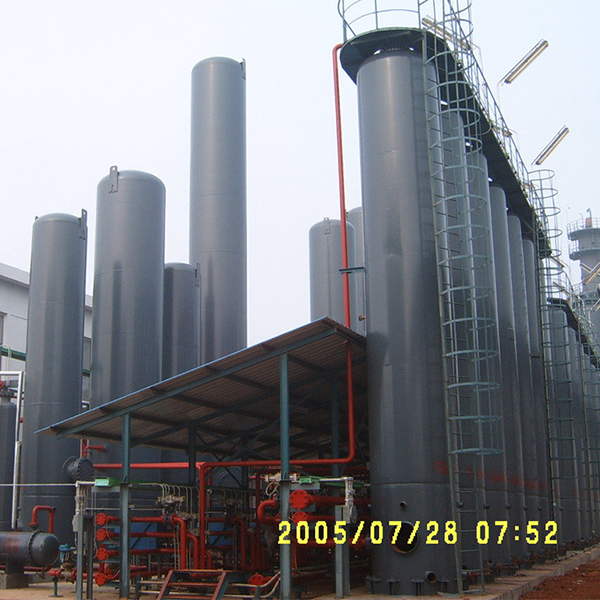 CO removal by pressure swing adsorption
 -
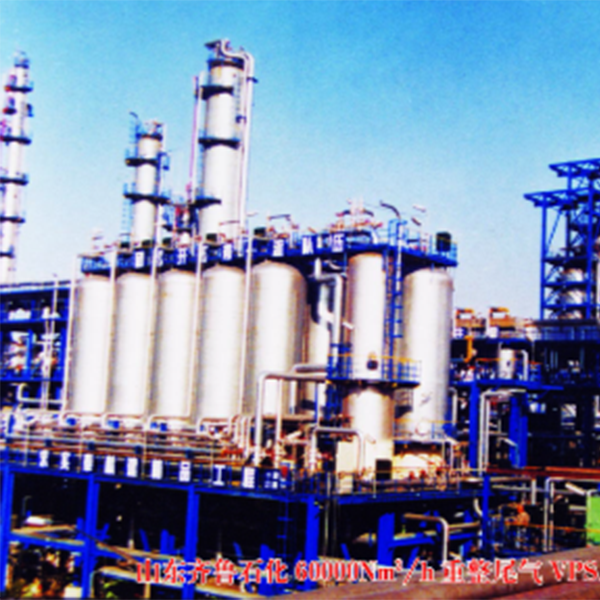 Hydrogen purification technology by pressure swing adsorption
 -
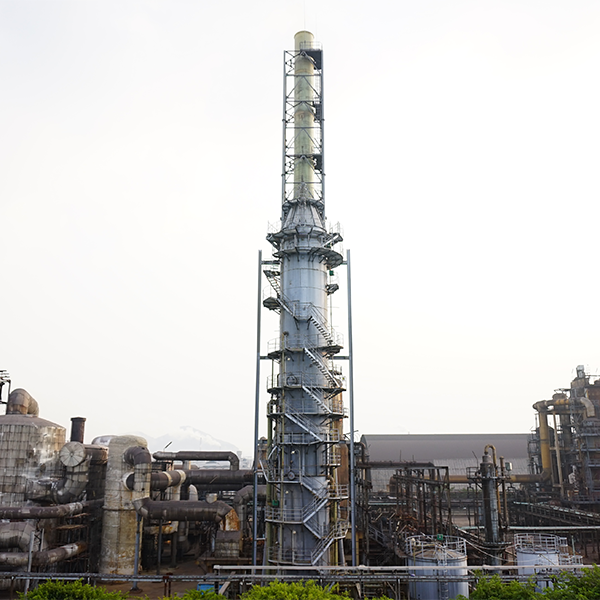 Flue gas desulfurization technology using ammonia
 -
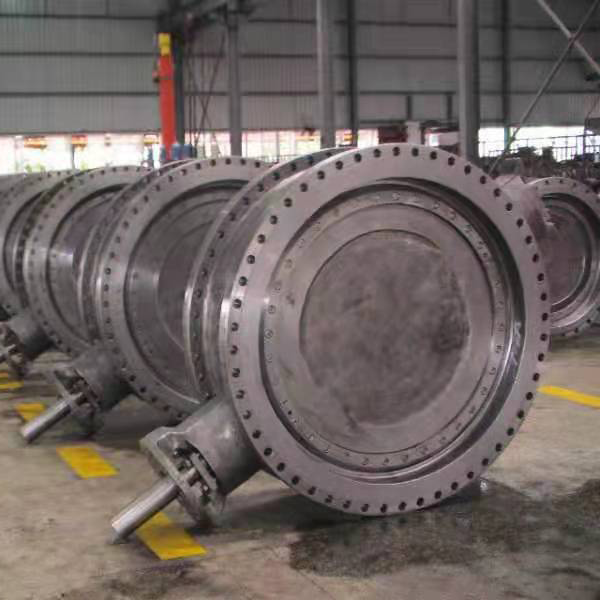 Valve
Valve -
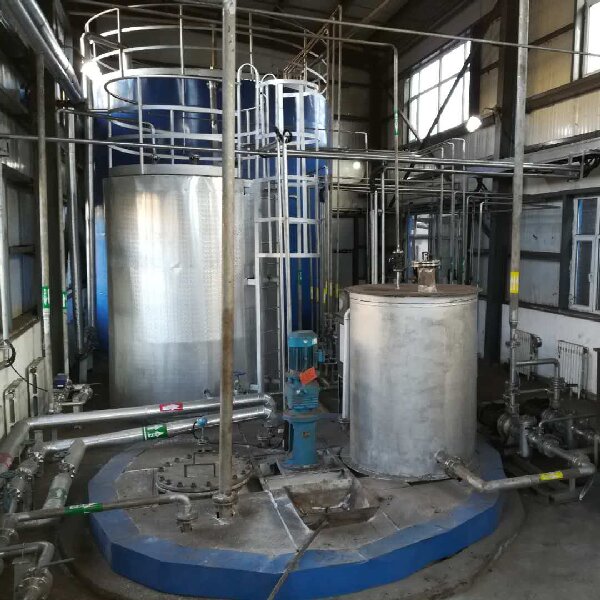 Flue gas denitrification SCR、SNC
 -
 Unit desalting and demineralization equipment and special resin
Relatedsearch
Related Search- Motorized butterfly valve
- China adsorbent price Main buyer country
- China adsorbents exporters list
- China Natural Gas Liquefaction Technology Suppliers
- China gas valve Main buyer country
- Tablet adsorbent
- China Adsorbent Substance Manufacturers
- China adsorbents preparations list of the best products
- Special acid regeneration equipment in China
- China gas adsorbents Main buyer country