

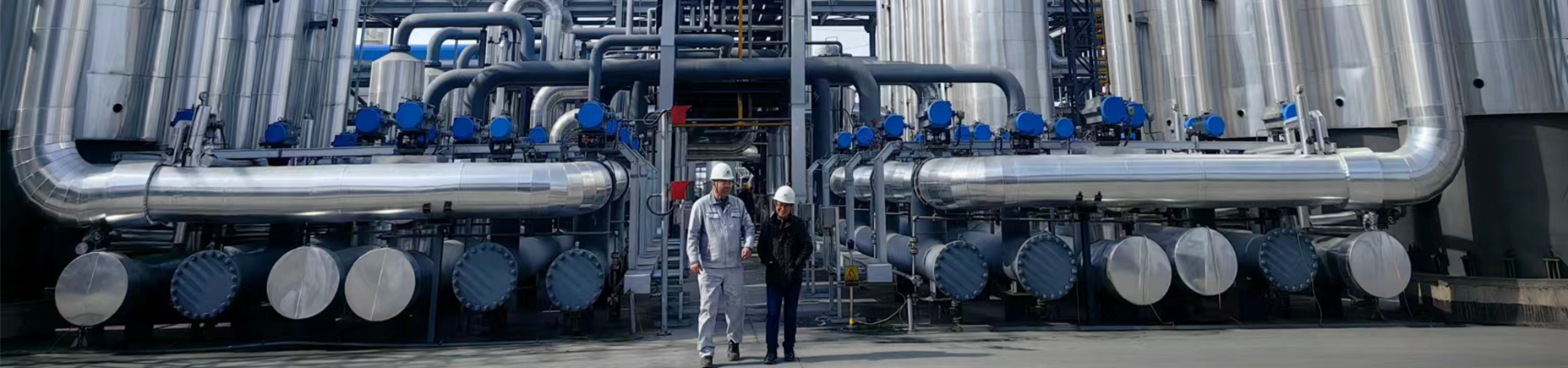
Wet CO2 removal technology supplier
Wet CO2 removal technology: supplier
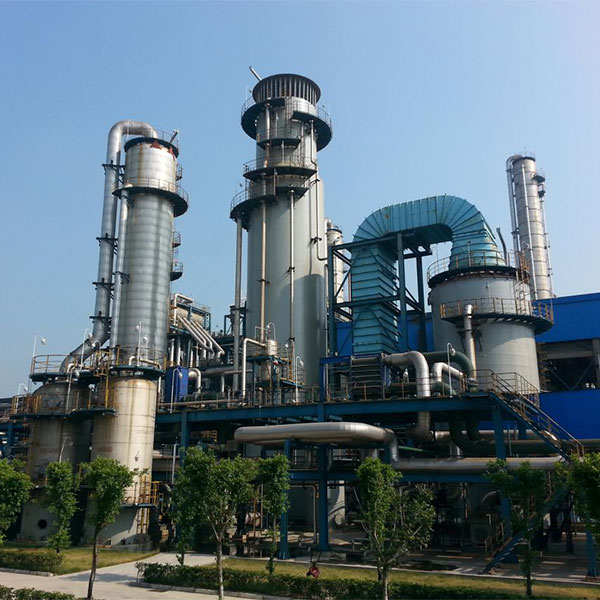
Carbon dioxide (CO2) is a serious problem affecting the climate of our planet. Various technologies combat CO2 emissions, and one of the effective ones is the wet CO2 removal method. Imagine a huge filter that captures and holds harmful gas, preventing it from escaping into the atmosphere. Here's how it happens.
The principle of operation of the technology:
Wet methods are based on the absorption of CO2 with special solutions, most often containing amines. Imagine a spongy fabric that can absorb moisture. In a similar way, the solution absorbs CO2 from the gas stream. This process takes place in special columns where gas and solution interact. The absorbed CO2 is then separated from the solution and can be used or disposed of. This is a complex chemical process, but the main idea is to accumulate CO2, preventing it from spreading into the air. Simply put, we seem to collect and isolate harmful gas.
Advantages and disadvantages of the method:
Compared to other methods, the wet method has its advantages. It is quite effective, capable of absorbing significant volumes of CO2. Also, with the development of technology, the system becomes more economical and less energy-consuming. However, the process requires the use of chemicals that must be constantly replenished and properly disposed of. In addition, some solutions may not last long and require expensive reprocessing. Overall, wet CO2 removal technology is a challenging task, but also a very important step in the fight against climate change.
Suppliers and prospects:
There are companies on the market specializing in the supply and implementation of wet CO2 removal technologies. They offer complete solutions, from the design and construction of plants to their maintenance and further support. The potential of this technology is enormous. If many enterprises use it, we can significantly reduce CO2 emissions and influence climate change. The prospects for the technology are related to its further improvement and affordable cost for widespread use. With continued investment in research and development, the wet method has the potential to become a major tool in the fight against global warming.
Correspondingproducts
Related Products
Best Sellingproducts
Best Selling Products-
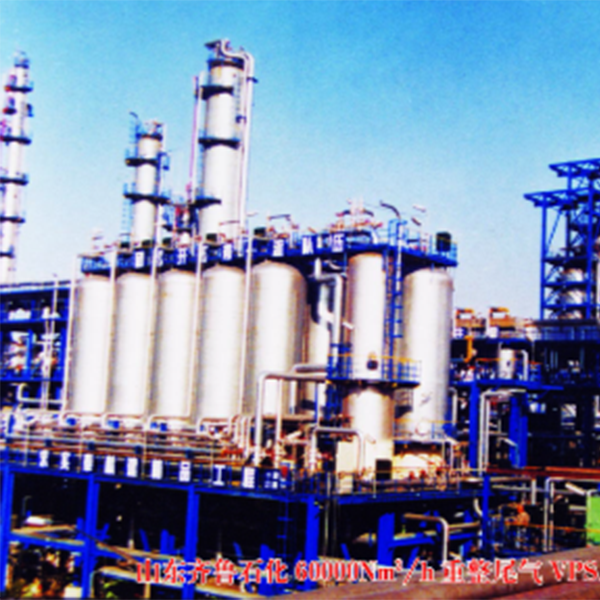 Hydrogen purification technology by pressure swing adsorption
 -
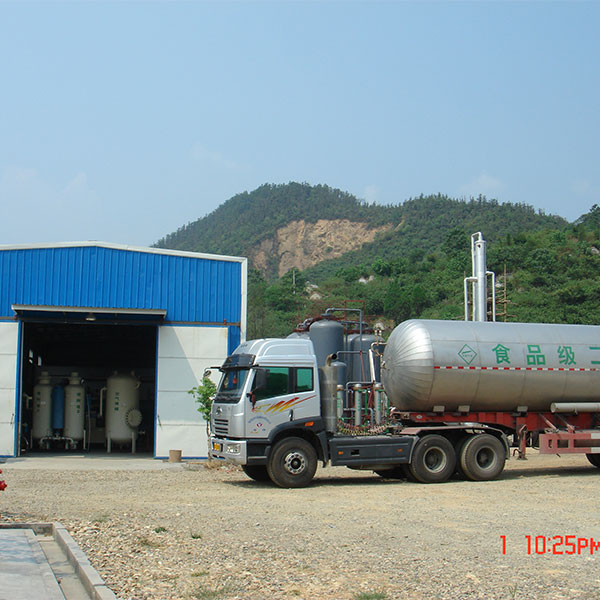 Food grade CO2 purified
 -
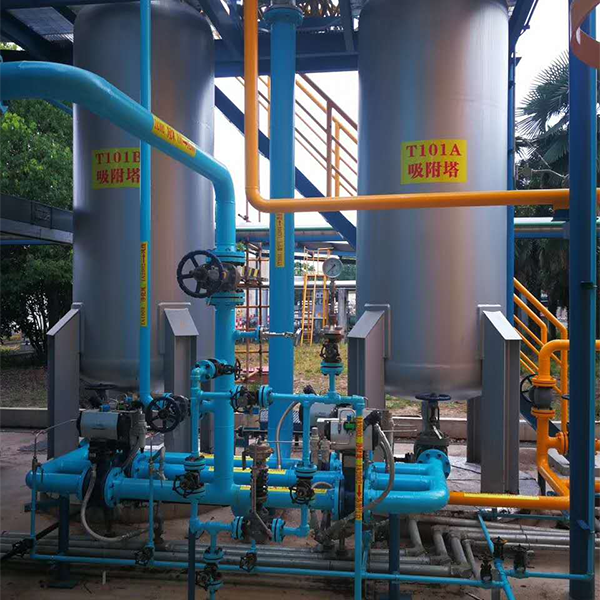 Nitrogen production by pressure swing adsorption
 -
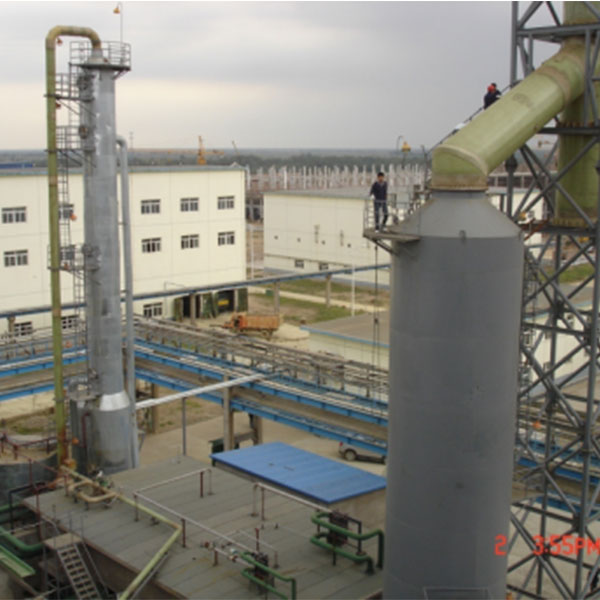 Ionic liquid desulfurization technology
 -
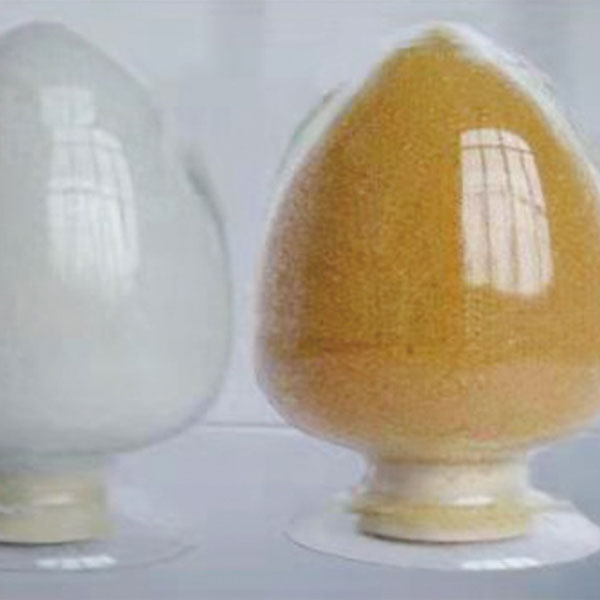 Unit desalting and demineralization equipment and special resin
 -
 MPS decarbonization technology
 -
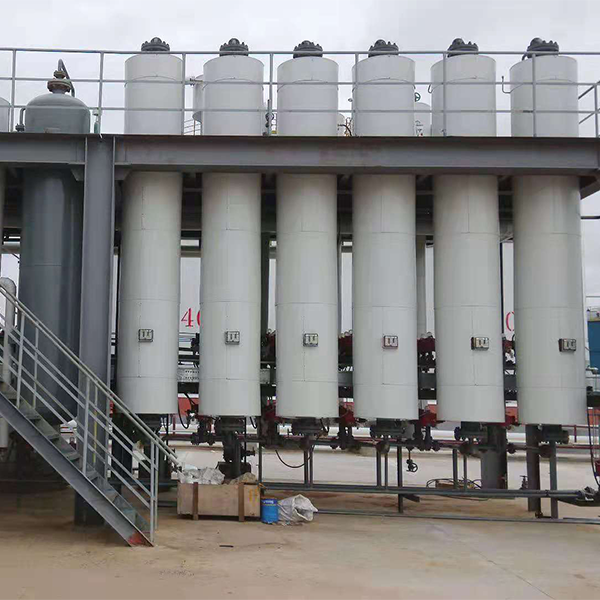 Hydrogen production by splitting methanol
 -
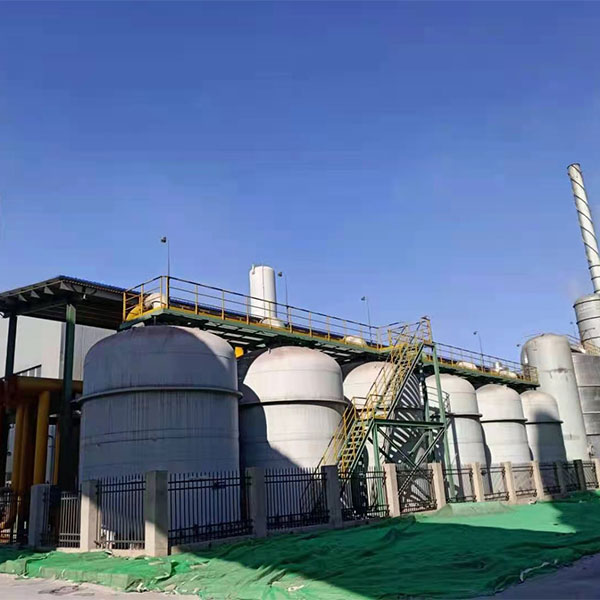 CO2 removal by pressure swing adsorption
 -
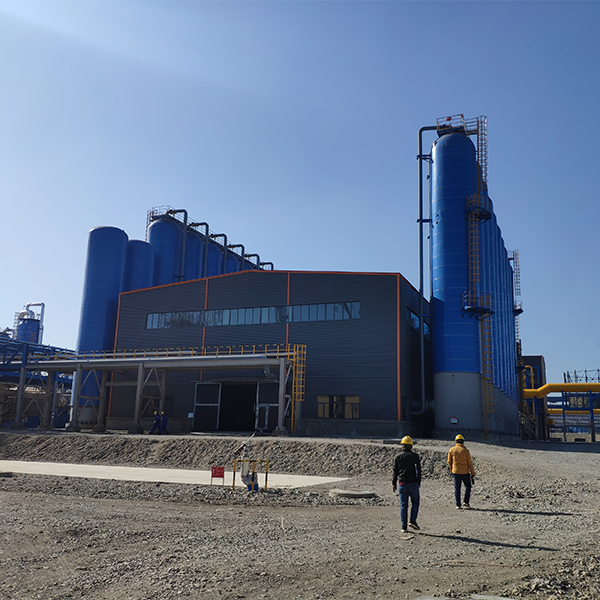 Hydrogen production by coal gasification
 -
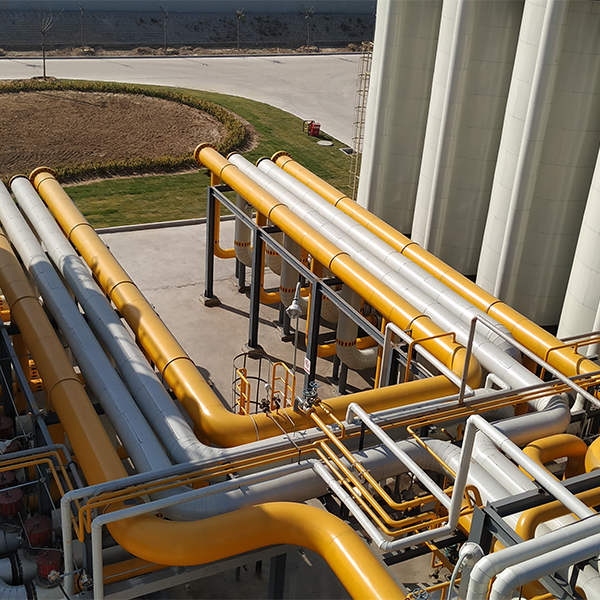 Coke gas purification technology
 -
 Liquefaction of natural gas
 -
 MEA-MDEA-NHD Desulfurization Technology
Relatedsearch
Related Search- China NHD CO2 Desulfurization and Removal Technology Supplier
- Name of natural gas liquefaction technology
- zeolite adsorbent plant
- China mycotoxin adsorbent exporters
- China Valve Sensor Exporter
- China pressure liquefied natural gas product
- natural gas liquefaction unit
- China Air Conditioner Valve Exporter
- China compressor valve price
- China gas adsorbents factory