


natural gas liquefaction unit
Natural gas liquefaction unit
Natural gas is a valuable source of energy used throughout the world. However, for ease of transportation and storage, it must be liquefied. This is how the process works in a natural gas liquefaction unit.
How does liquefaction occur?
Imagine a huge refrigerator, but instead of ice cream - natural gas. In the liquefaction unit, the gas passes through several cooling stages. Initially, the gas is cleaned of impurities that could affect the efficiency of the process and damage equipment. The gas is then cooled to very low temperatures, around -160 degrees Celsius. At this temperature, natural gas turns into a liquefied form, which takes up much less space, making it easy to transport. This is achieved by using sophisticated cooling systems that effectively remove heat from the gas.
What's inside the block?
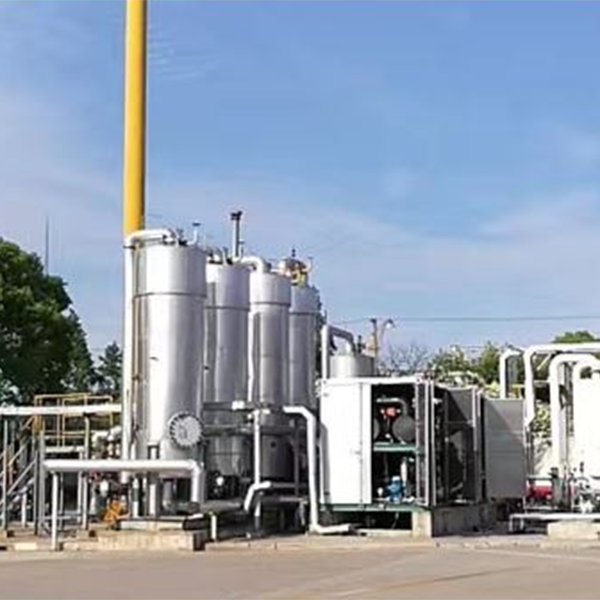
Inside the liquefaction unit are many components that work in harmony. These include compressors that compress gas before cooling, and heat exchangers where heat is removed. Gas purification equipment is also important, preventing damage to the equipment and ensuring the purity of the final product. All these components are located in special structures that ensure safe and reliable operation.
Why is this important?
Liquefied natural gas (LNG) is a cost-effective and environmentally friendly way to transport gas over long distances. Thanks to liquefaction, gas takes up significantly less space, which significantly reduces transportation costs. It also allows for convenient gas storage, which is critical to ensuring a stable energy supply. The liquefaction unit is the heart of the process, providing continuous liquefaction and subsequent use of natural gas. Without it, we would lose the comfort of convenient transportation and storage of this important source of energy. Thanks to it, we can get gas to places where its production is impossible or too expensive.
Correspondingproducts
Related Products
Best Sellingproducts
Best Selling Products-
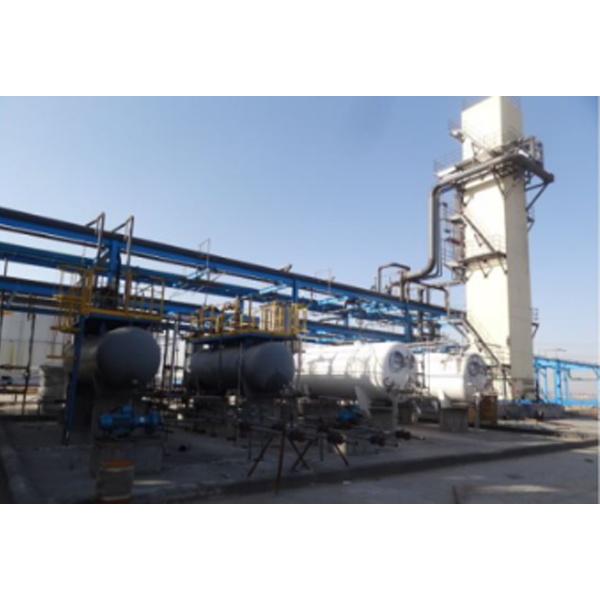 Liquefaction of natural gas
 -
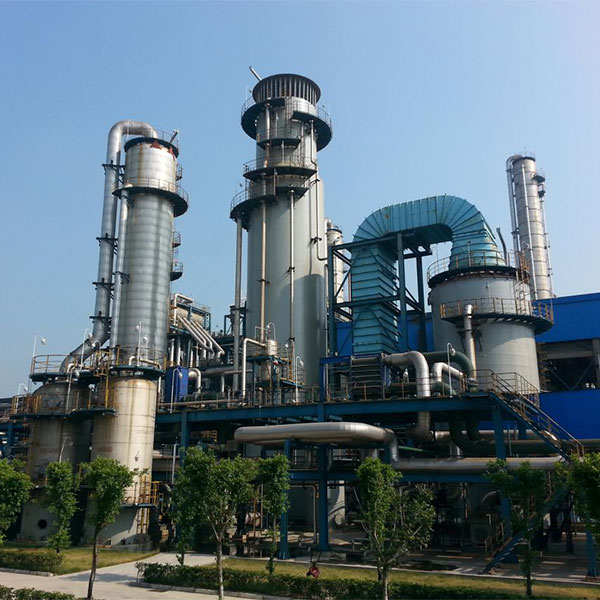 Wet CO2 removal technology
 -
 VOC tail gas disposal
 -
 MEA-MDEA-NHD Desulfurization Technology
 -
 Vinyl chloride recycling technology
 -
 MPS decarbonization technology
 -
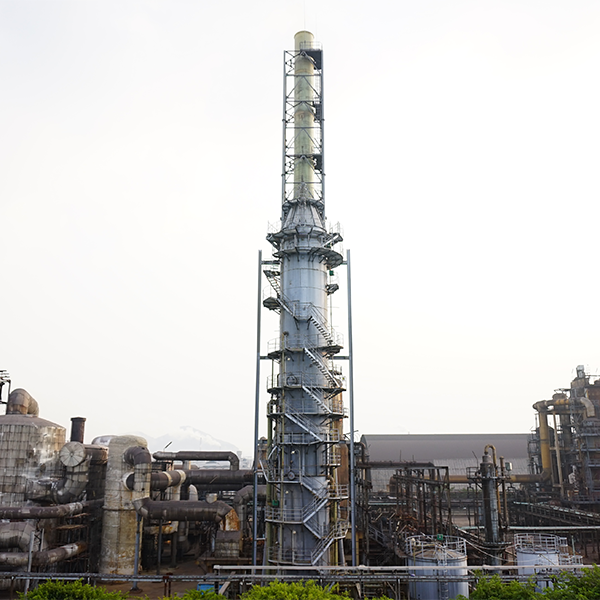 Flue gas desulfurization technology using ammonia
 -
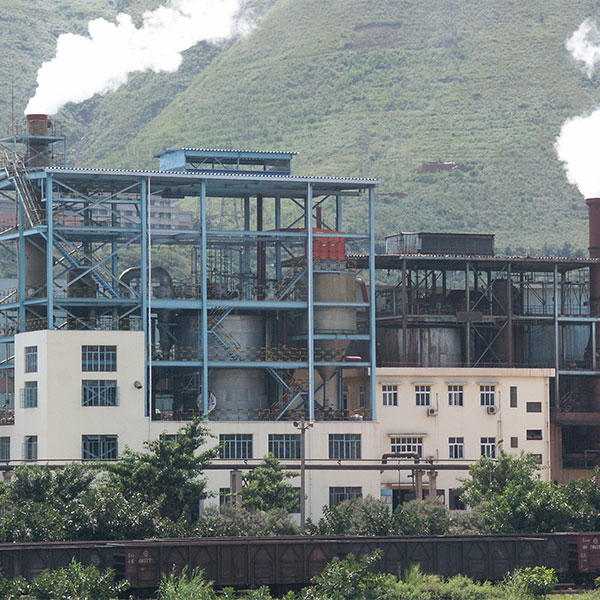 Waste acid regeneration
 -
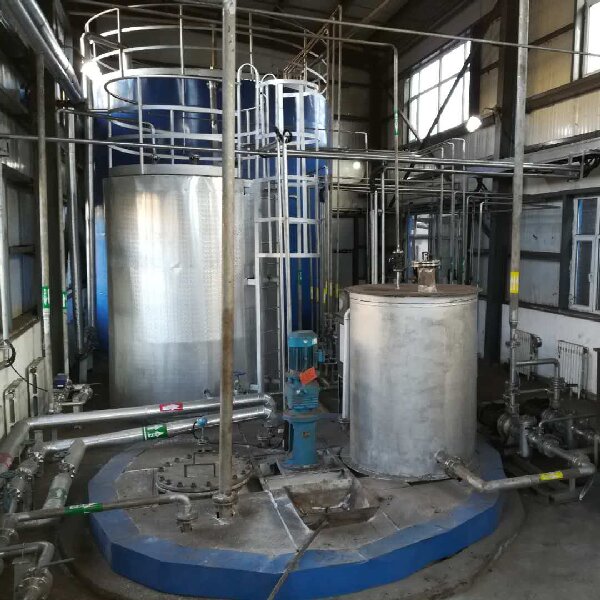 Flue gas denitrification SCR、SNC
 -
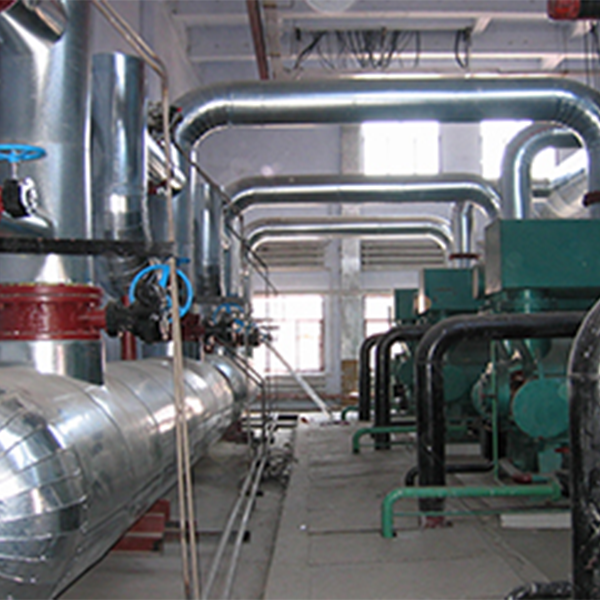 Oxygen production by pressure swing adsorption
 -
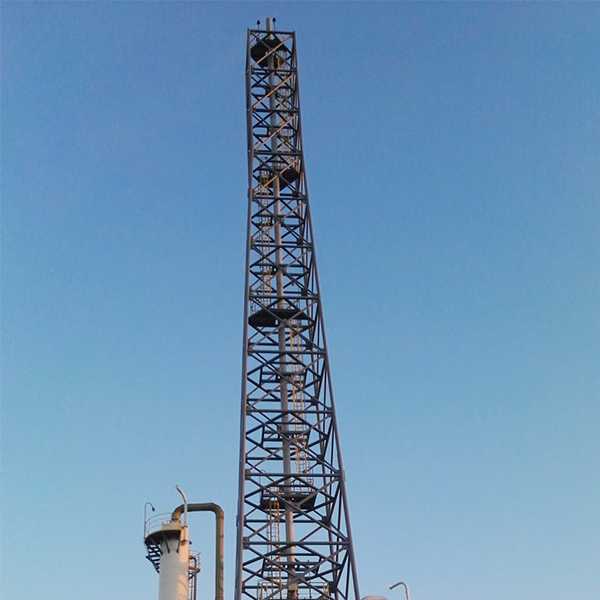 Technology of desulfurization and CO2 removal using NHD method
 -
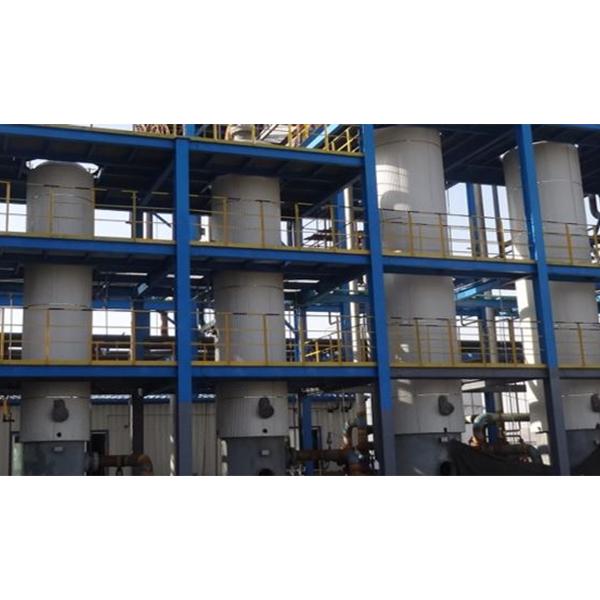 Coal gas organic sulfur fine removal technology
Relatedsearch
Related Search- China Fuel Valve Suppliers
- China production of adsorbents Main country of buyer
- China fuel valve price
- O2 removal by pressure swing adsorption
- China Best Adsorbent Suppliers
- China adsorbents product list
- China Flue Gas Denitrification SCR、SNC Main Buyer Country
- China gas adsorbents product
- China compressor valve product
- China Pressure Swing Adsorption Oxygen Production Exporters