

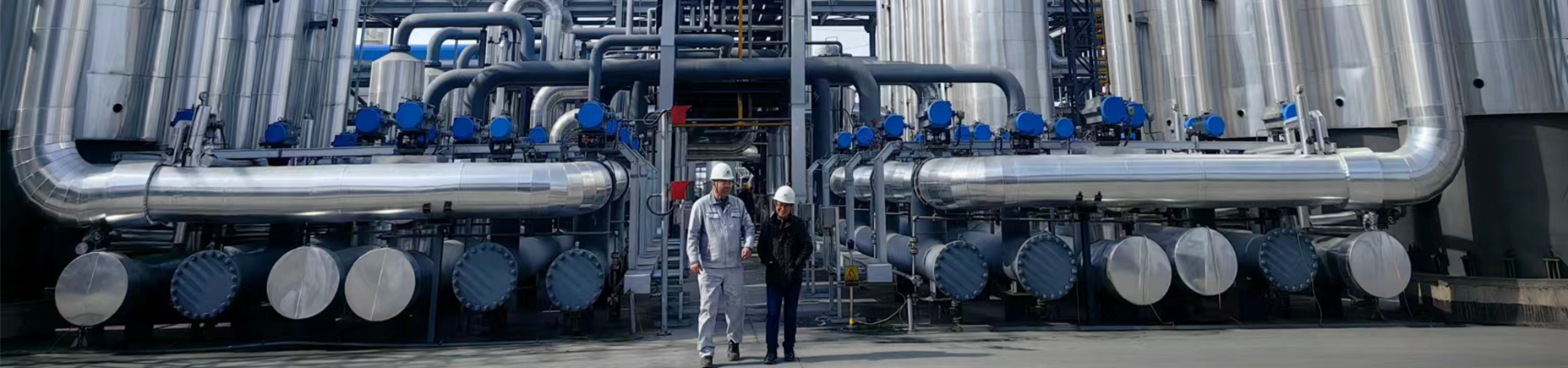
O2 removal by pressure swing adsorption
O2 removal by pressure swing adsorption
The process of removing oxygen (O2) from gases using pressure swing adsorption is a technique that is widely used in a variety of industries, from electronics manufacturing to the food industry. Imagine that you have a jar of air and you want to extract oxygen from it. It's like you want to purify the air so that it becomes safe for certain processes. The pressure swing adsorption method does this efficiently and selectively.
Operating principle
This method is based on the ability of some materials - adsorbents - to absorb oxygen. Imagine that an adsorbent is a sponge that can absorb oxygen from the air. As the pressure increases, oxygen sticks more strongly to this sponge, as it becomes under greater pressure and it is difficult for it to escape. Once the oxygen is collected, the pressure is reduced and it is released. In this way, oxygen is separated from other gases in the air. Cyclic changes in pressure allow oxygen to be released, leaving the remaining gases. This is repeated over and over again, as if oxygen is being squeezed out of the air.
Advantages of the method
One of the key advantages of this approach is its effectiveness. It allows you to achieve high degrees of purification, removing oxygen almost completely. In addition, the process is relatively energy efficient, which is important for industrial applications. In practice this means lower costs and an environmentally friendly process.
Applications
The method of O2 removal by pressure swing adsorption is used in a wide range of industries. For example, it is used in chip manufacturing, where oxygen can cause damage to semiconductors. This method is also used in the food industry to extend the shelf life of products and in medicine to create sterile environments. There are also specialized variations of this method aimed at specific tasks and requirements. In general, this method is important because it helps control and improve conditions for a wide variety of processes.
Correspondingproducts
Related Products
Best Sellingproducts
Best Selling Products-
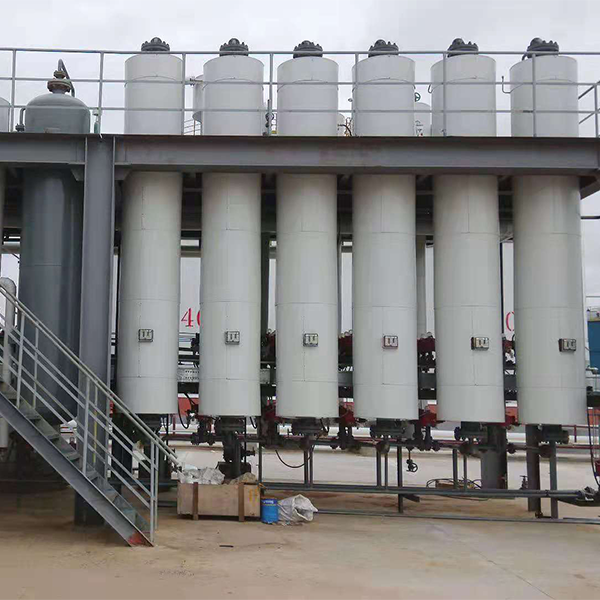 Hydrogen production by splitting methanol
 -
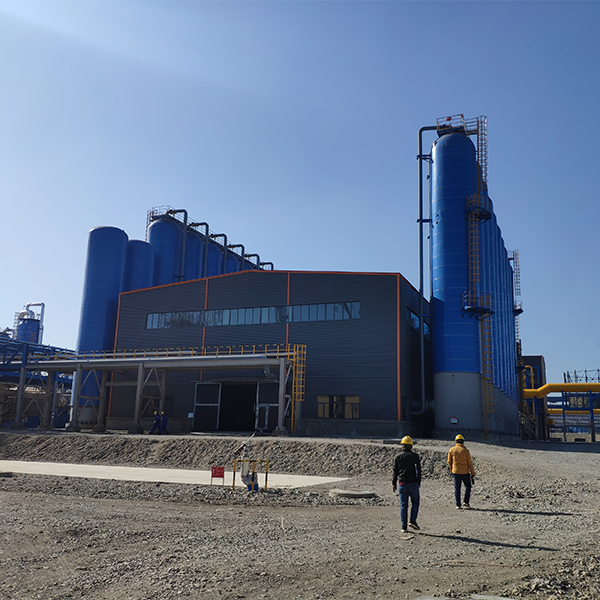 Hydrogen production by coal gasification
 -
 MPS decarbonization technology
 -
 Waste acid regeneration
 -
 Special acid regeneration equipment
 -
 CO removal by pressure swing adsorption
 -
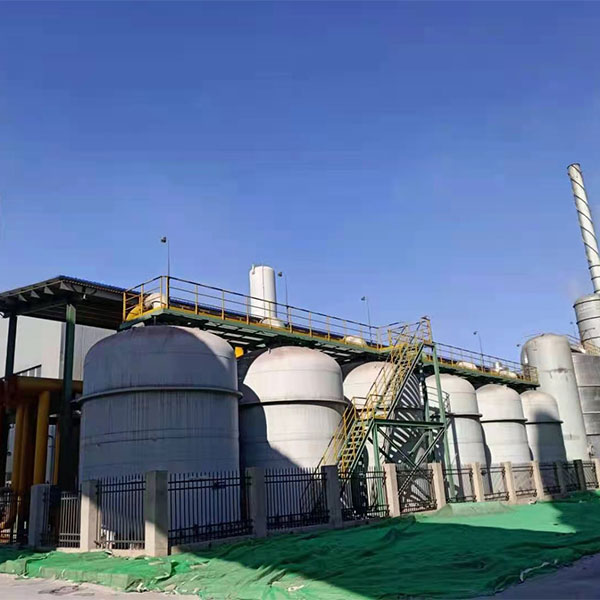 CO2 removal by pressure swing adsorption
 -
 Battery material precursor production technology
 -
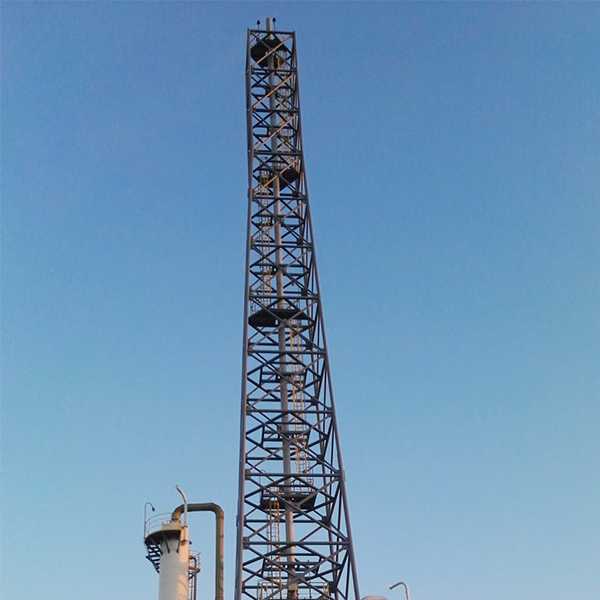 Technology of desulfurization and CO2 removal using NHD method
 -
 Unit desalting and demineralization equipment and special resin
 -
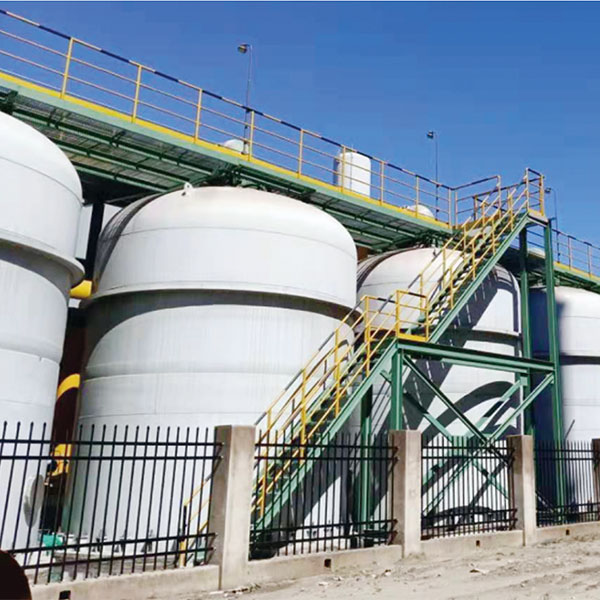 Flue gas CO2 recovery technology
 -
 Vinyl chloride recycling technology
Relatedsearch
Related Search- Hydrogen production by conversion of light hydrocarbons with steam
- liquefying natural gas at home
- What is the name of natural gas liquefaction technology?
- China Oxygen Production by Pressure Swing Adsorption Manufacturer
- Wet CO2 removal technology
- China Adsorbent Substance Exporter
- China injector valve product
- Hydrogen purification technology by pressure swing adsorption plant
- China Block desalting and demineralization equipment and special resin product
- China Oxygen Production by Pressure Swing Adsorption Exporter