


Technology for recycling CO2 flue gas wholesale
Technology for recycling CO2 flue gas wholesale
Carbon dioxide (CO2) emissions are one of the serious problems of our time associated with human activity. Manufacturing, energy, transport - almost all sectors contribute to the increase in the concentration of this gas in the atmosphere. But what if we could not only reduce emissions, but also use CO2 from flue gases for other purposes? This is exactly what the wholesale CO2 recycling technology is about.
How the technology works
The basic principle is the absorption and subsequent treatment of CO2 contained in the flue gases of industrial plants. Special plants, which can be scaled up for bulk requirements, effectively separate CO2 from the rest of the components. This process is similar to how we separate impurities from pure substances. It is important that technologies are selected taking into account the specifics of the emission source (for example, different technologies are used for coal power plants than for chemical plants).
Prospects for the use of recycled CO2
The resulting CO2 can be used in various industries. This may be the production of food additives (for example, carbonated drinks), use in construction (as components of concrete), in agriculture (as a fertilizer). Even in the production of some chemicals, CO2 can become a raw material. Imagine how huge volumes of emissions could be converted into valuable resources, helping not only to reduce environmental stress, but also to generate economic benefits. This is a real path to sustainable development, because resource conservation and environmental friendliness are important components of the future.
Economic benefits and prospects
From an economic point of view, recycling CO2 in bulk can be attractive to businesses that produce significant emissions. Reducing fines for exceeding maximum permissible emissions, as well as obtaining additional income from the sale of recycled products are important factors. Technologies are constantly being improved, which allows reducing the costs of their implementation and operation. Of course, the initial investment can be significant, but in the long term, the savings and new opportunities make this technology beneficial for both business and the planet. There comes a time when economic growth and environmental stewardship go hand in hand.
Correspondingproducts
Related Products

Best Sellingproducts
Best Selling Products-
 Hydrogen purification technology by pressure swing adsorption
 -
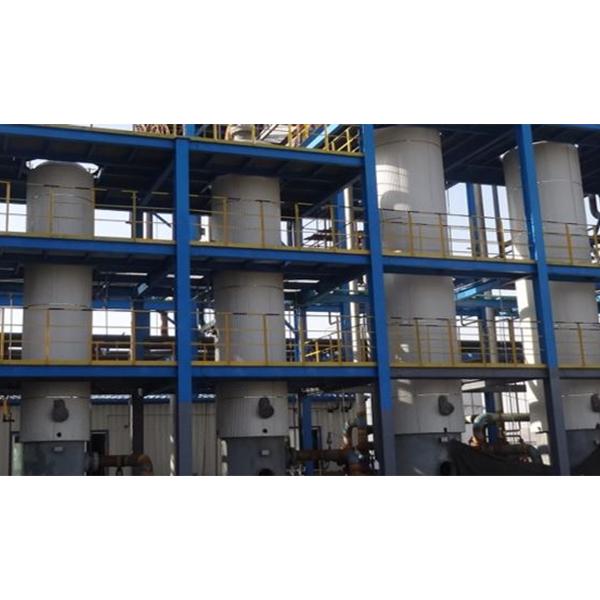 Coal gas organic sulfur fine removal technology
 -
 MPS decarbonization technology
 -
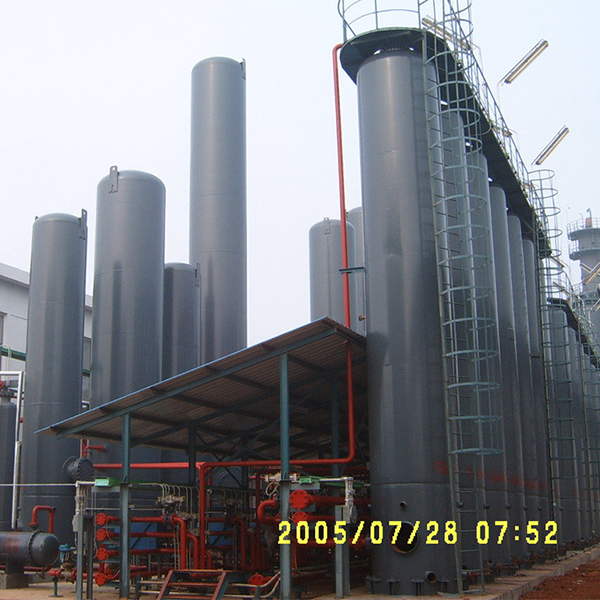 CO removal by pressure swing adsorption
 -
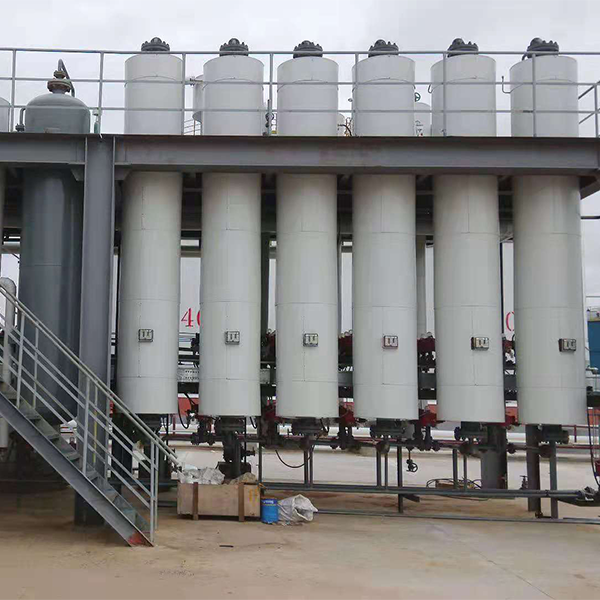 Hydrogen production by splitting methanol
 -
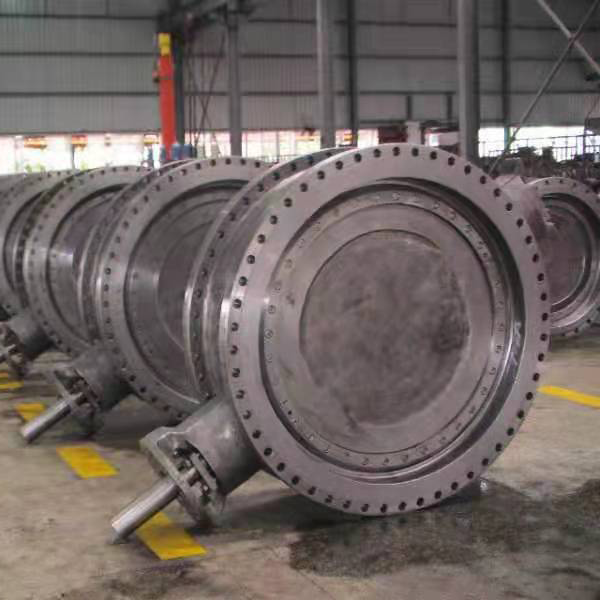 Valve
Valve -
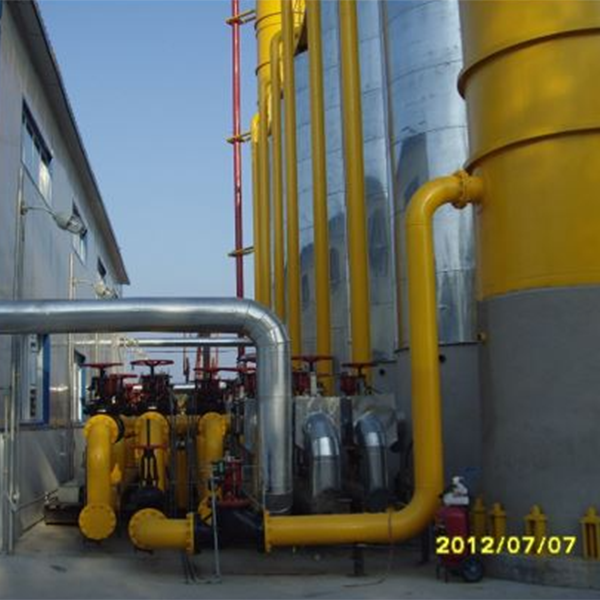 Vinyl chloride recycling technology
 -
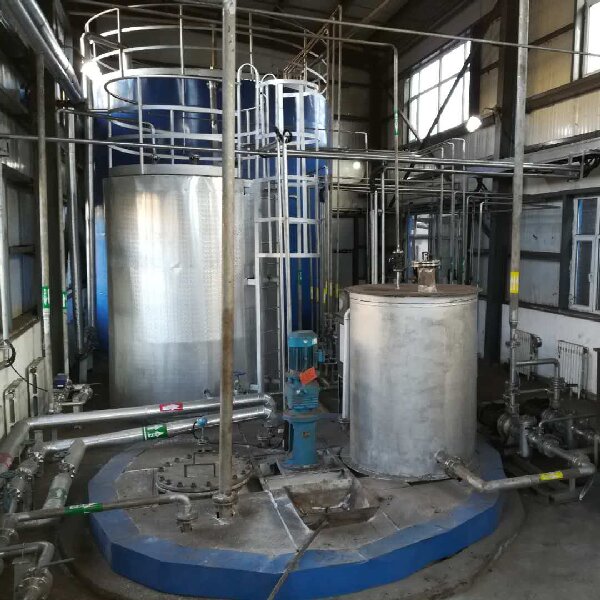 Flue gas denitrification SCR、SNC
 -
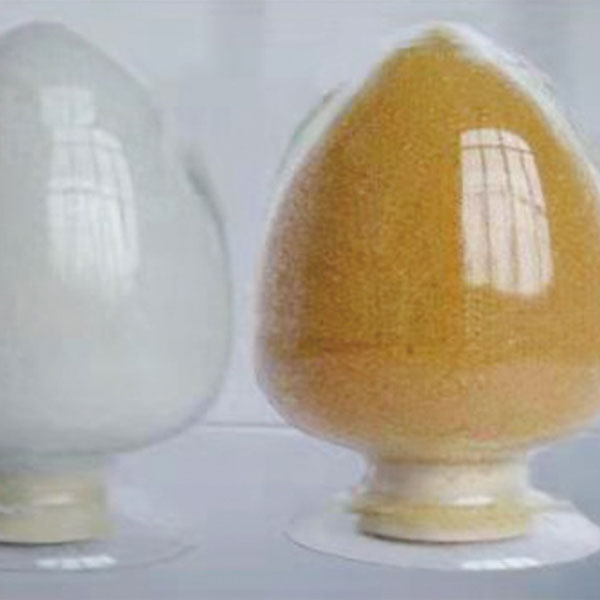 Unit desalting and demineralization equipment and special resin
 -
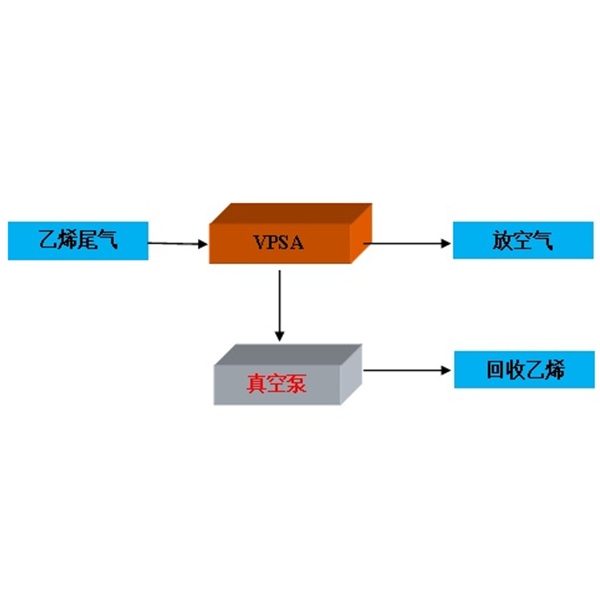 Ethylene tail gas recovery
 -
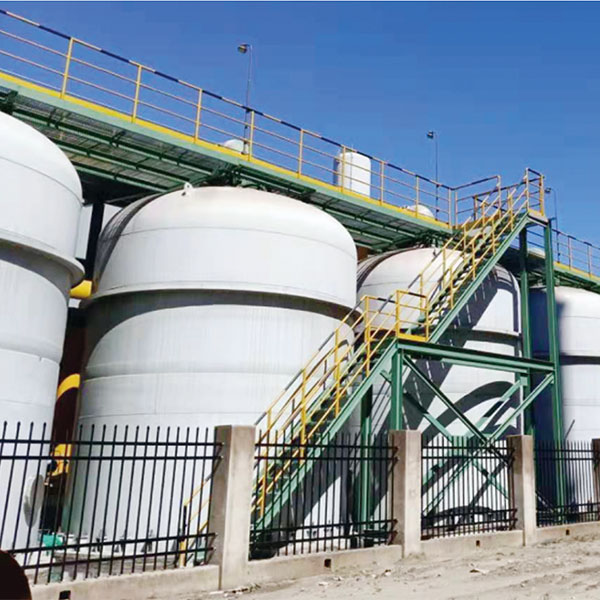 Flue gas CO2 recovery technology
 -
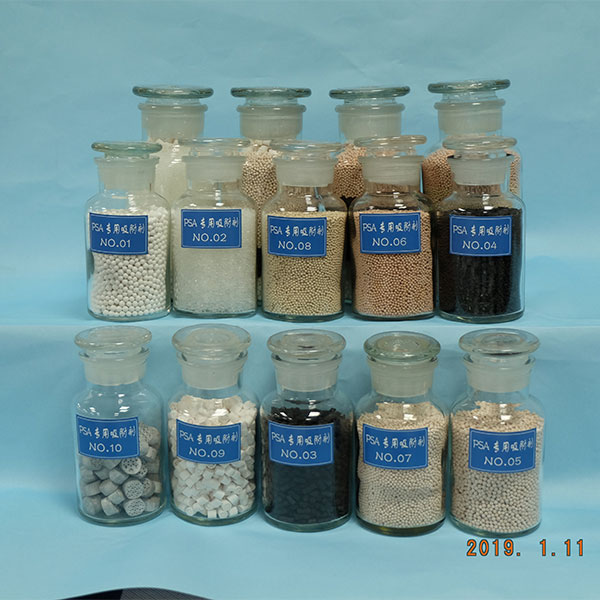 absorbent
Relatedsearch
Related Search- China Oxygen Production by Pressure Swing Adsorption Suppliers
- China catalyst adsorbent factories
- China Vinyl chloride recycling technology Manufacturer
- China pressure liquefied natural gas products
- China valve price exporters
- safety valve
- China Adsorbents Activated Carbon Exporter
- China Natural Gas Liquefaction Pressure Suppliers
- Food CO2 plant production technology
- China Flue Gas Denitrification SCR、SNC Manufacturer