


CO2 removal by pressure swing adsorption supplier
CO2 removal by pressure swing adsorption: supplier
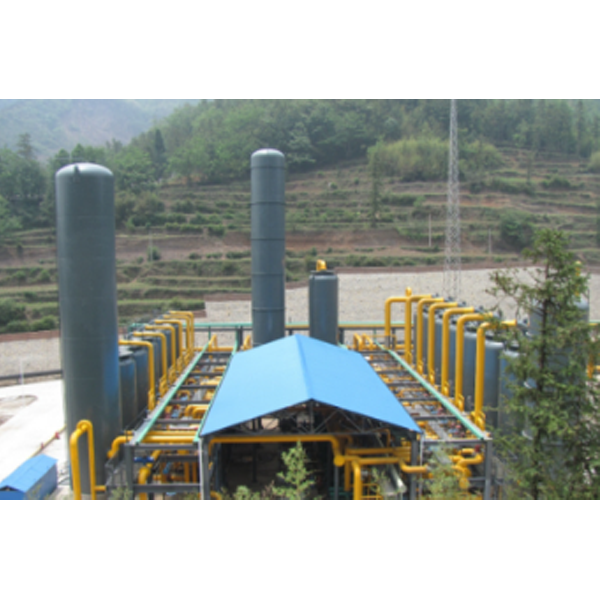
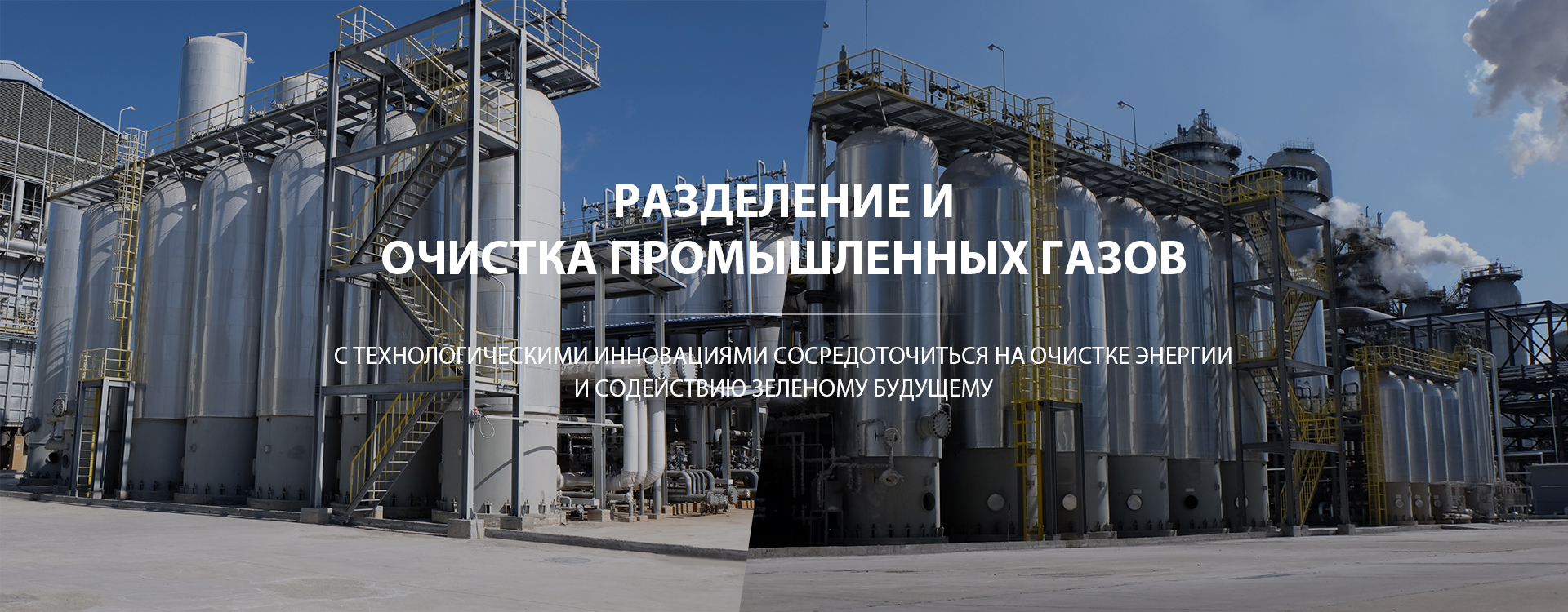
In the modern world, the problem of carbon dioxide (CO2) emissions is becoming increasingly urgent. Reducing these emissions is key to preserving our planet. One of the promising methods for CO2 removal is pressure swing adsorption. Imagine that CO2, like an uninvited guest, enters a special filter, where the host is a porous material capable of retaining it. This filter is an adsorbent, and the process of capturing CO2 is adsorption.
How the technology works
Pressure Swing Adsorption (PSA) technology works on the principle of changing pressure. During the operating cycle, the pressure in the adsorber either increases or decreases. At high pressure, CO2 firmly adheres to the surface of the adsorbent, and at low pressure it is removed. This is reminiscent of the principle of operation of a pump, either filling a container or emptying it, only instead of water we have CO2. Repeated cyclically, the process removes harmful gas from the flow. It is important that this method makes it possible to capture CO2 very effectively without requiring large amounts of energy.
Advantages and Disadvantages
PSA technology has a number of advantages, such as high CO2 capture efficiency, relatively low equipment cost and the ability to operate in a wide range of flows. In addition, it does not require complex chemical reactions and can be used in various industries, such as oil production and refining, the chemical industry and even utility systems. However, like any technology, PSA also has its drawbacks. For example, it may be less effective at very low CO2 concentrations or at very high temperatures. Another factor is the need to select the optimal adsorbent and system operating parameters, which sometimes requires additional research and calculations.
Technology providers
There are many companies that specialize in supplying and servicing pressure swing adsorption systems for CO2 removal. The choice of supplier depends on specific needs and objectives. Selection criteria may include: cost of equipment, technical characteristics, company experience and availability of services. It is important to contact trusted suppliers who can ensure the reliability and efficiency of the system over a long period of time. This will help not only reduce CO2 emissions, but also ensure sustainable business development.
Correspondingproducts
Related Products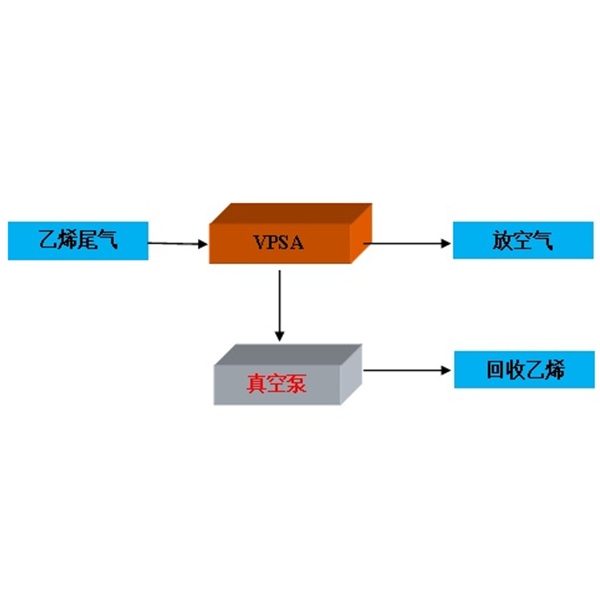
Best Sellingproducts
Best Selling Products-
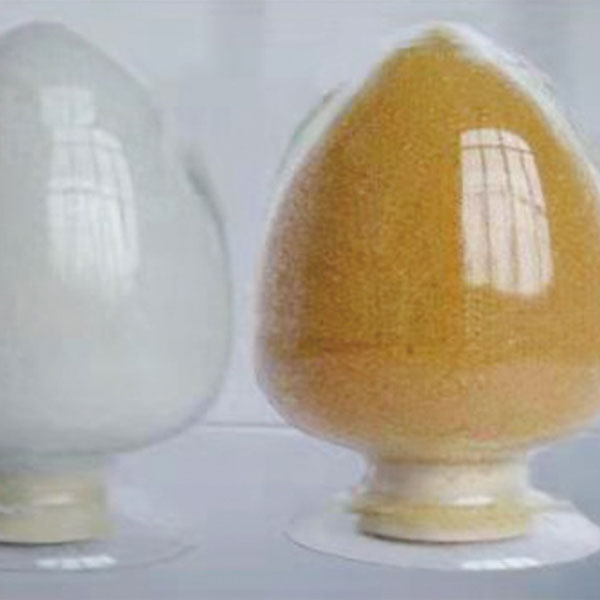 Unit desalting and demineralization equipment and special resin
 -
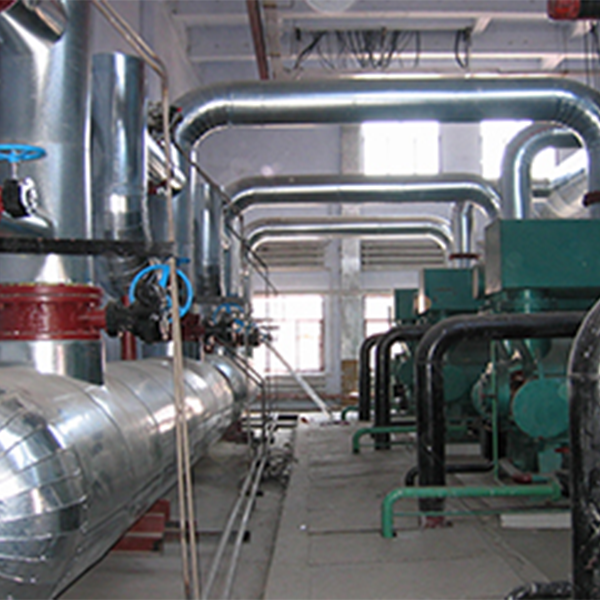 Oxygen production by pressure swing adsorption
 -
 Liquefaction of natural gas
 -
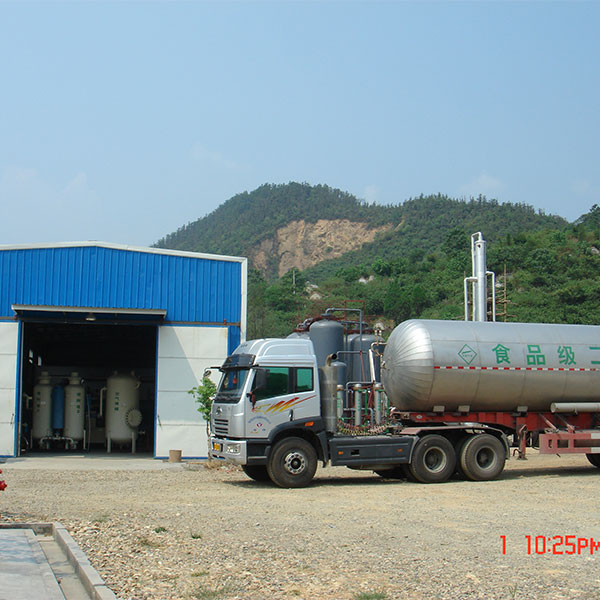 Food grade CO2 purified
 -
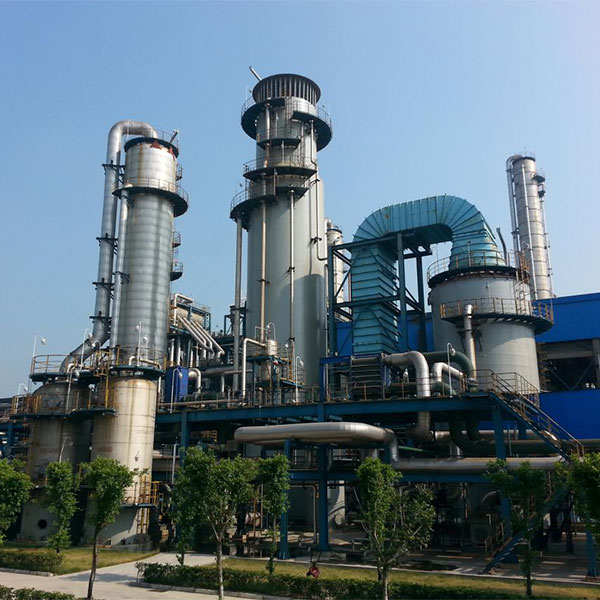 Wet CO2 removal technology
 -
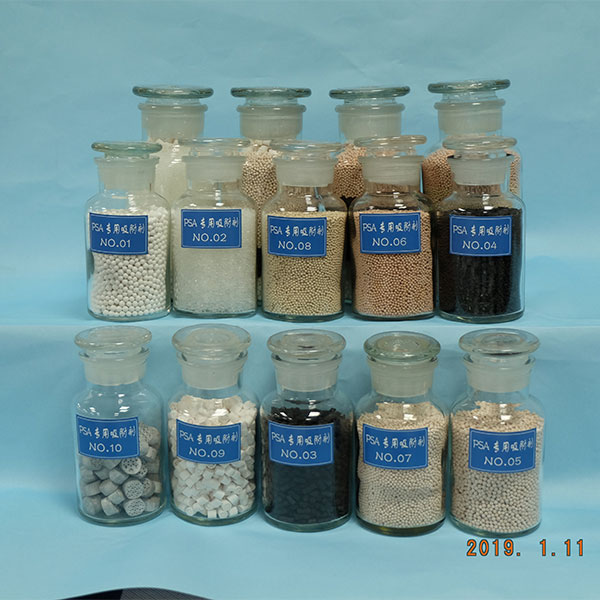 absorbent
 -
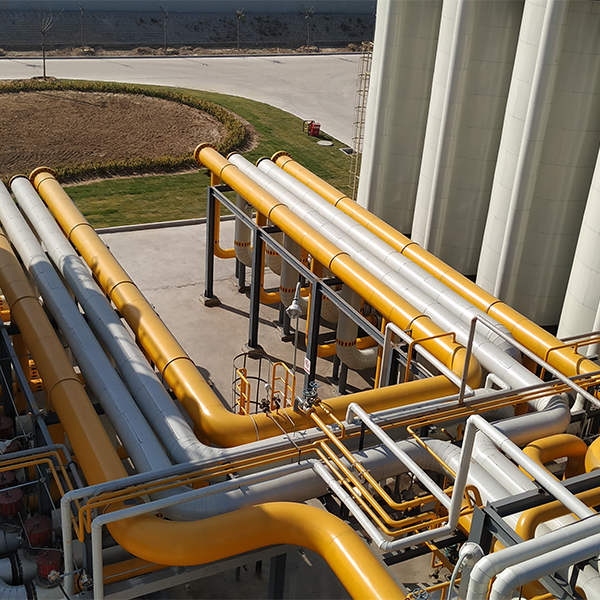 Coke gas purification technology
 -
 Hydrogen production by coal gasification
 -
 Coal gas organic sulfur fine removal technology
 -
 Oxygen purification and utilization
 -
 Special acid regeneration equipment
 -
 MEA-MDEA-NHD Desulfurization Technology
Relatedsearch
Related Search- Adsorbent
- China adsorbent price Supplier
- China Valve Manufacturers
- China catalyst adsorbent product
- Gas butterfly valve
- China natural gas liquefaction unit plants
- Hydrogen production by conversion of light hydrocarbons with steam
- China Nitrogen production by pressure swing adsorption Main buyer country
- China Oxygen Production by Pressure Swing Adsorption Suppliers
- Technology for extracting methane from biogas