

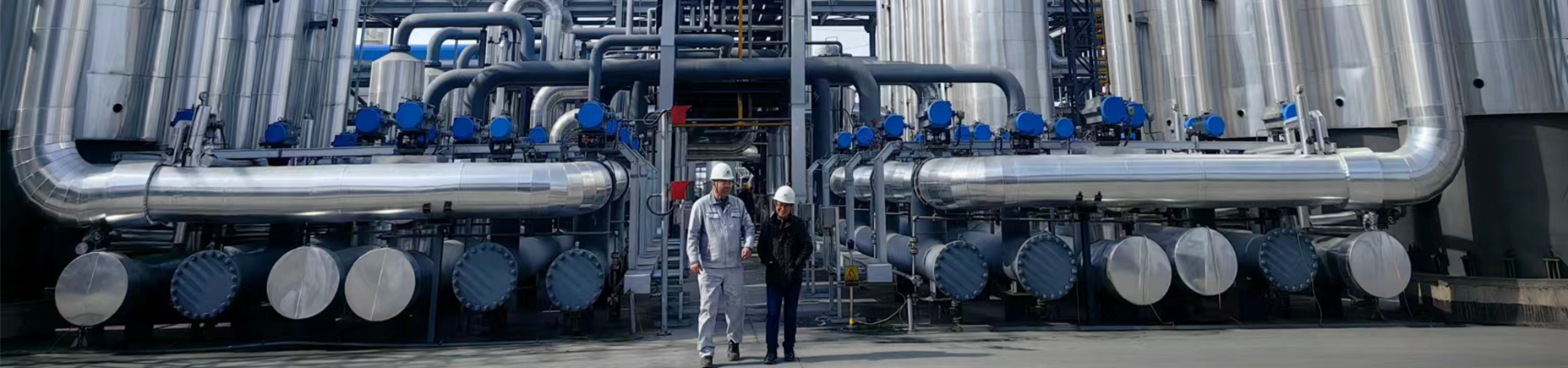
adsorbents examples
Adsorbents: examples
In our world, processes constantly occur in which it is necessary to separate one substance from another. For this purpose, special materials are often used that are capable of attracting other substances. These materials are called adsorbents. Imagine a sponge that absorbs water - this is, roughly speaking, the principle of operation of adsorbents. They absorb substances from the surface, like magnets attracting small particles.
What materials can be adsorbents?
A wide variety of materials can act as adsorbents. Coal, for example, known for its ability to purify water, is an excellent adsorbent. It perfectly retains harmful substances. Another example is silica gel—tiny, dry beads often found in electronics packages to help prevent moisture ingress. They are like moisture eaters. Even regular activated carbon, which you can buy at a pharmacy, is a powerful adsorbent used to cleanse the stomach of harmful substances. In addition, various types of natural clays, such as kaolin, also have adsorbing properties. It is important to note that the effectiveness of the adsorbent depends on its structure and the properties of the specific substance that needs to be adsorbed.
The use of adsorbents in everyday life
Adsorbents play a key role in our daily lives, even if we don't think about it. They are used in the production of medicines, for water purification, in filter systems, and in cosmetics. For example, gas masks use activated carbon, which traps harmful substances from the air. Water purification in water supply systems is another example of the use of adsorbents. Thanks to them we can get clean drinking water.
Various types of adsorbents and their applications
There are many types of adsorbents, and each of them is designed for specific tasks. Selecting a suitable adsorbent is a task that requires knowledge and understanding. Sometimes this means that activated carbon is not suitable for water purification because it has limitations in its performance. Thus, there are many options that must be selected for specific tasks. For example, cleaning from chemicals may require completely different adsorbents than removing odor. Professionals and scientists are constantly working to create new, more effective adsorbents that can solve complex problems in the future.
Correspondingproducts
Related Products
Best Sellingproducts
Best Selling Products-
 MPS decarbonization technology
 -
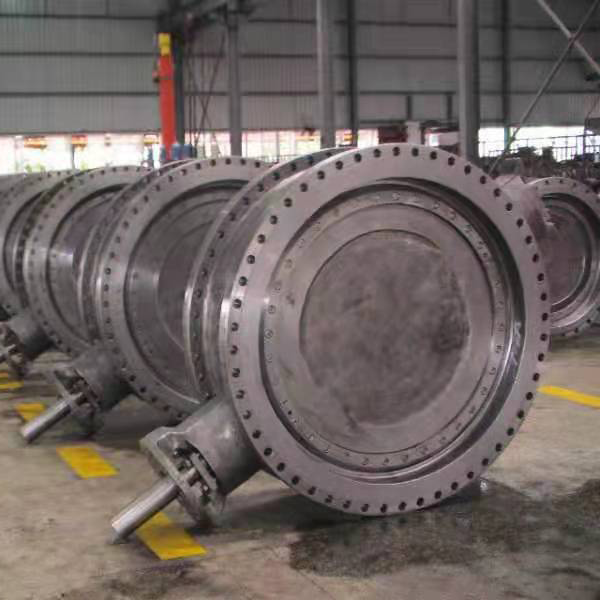 Valve
Valve -
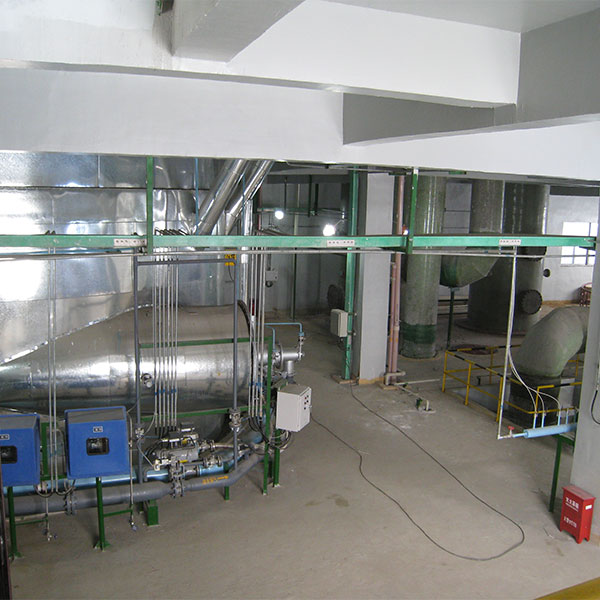 Special acid regeneration equipment
 -
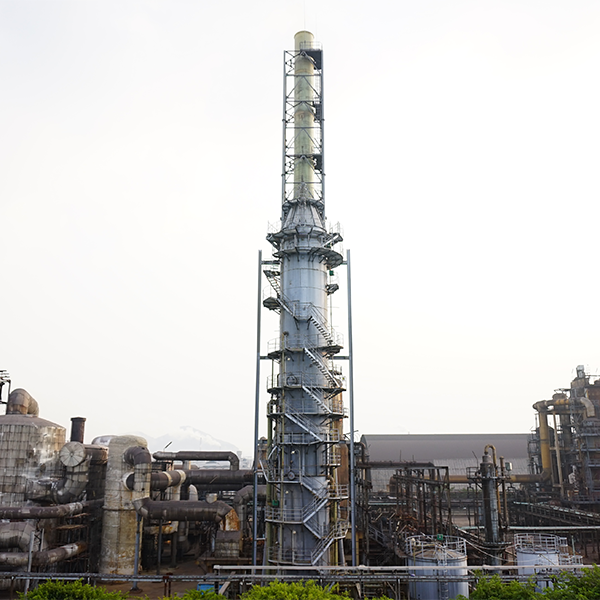 Flue gas desulfurization technology using ammonia
 -
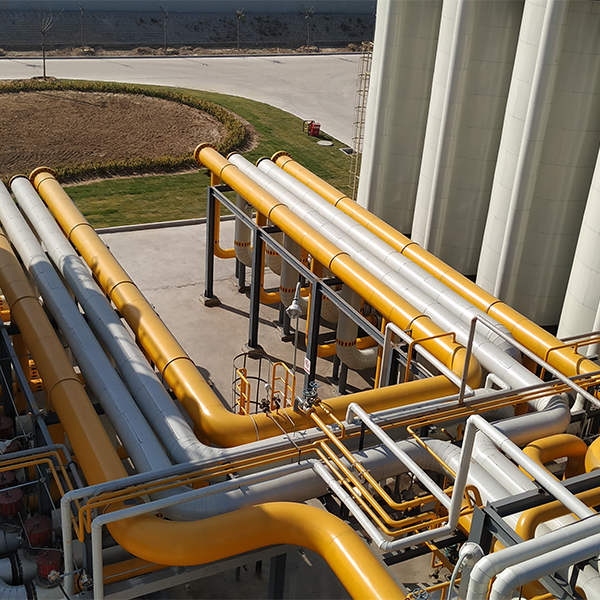 Coke gas purification technology
 -
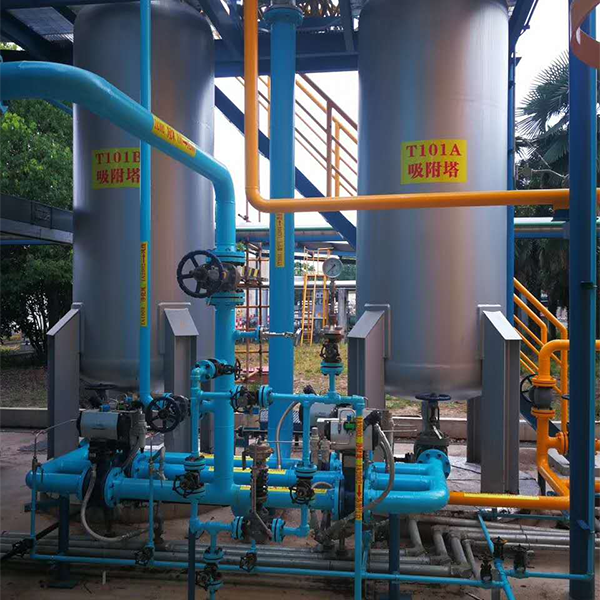 Nitrogen production by pressure swing adsorption
 -
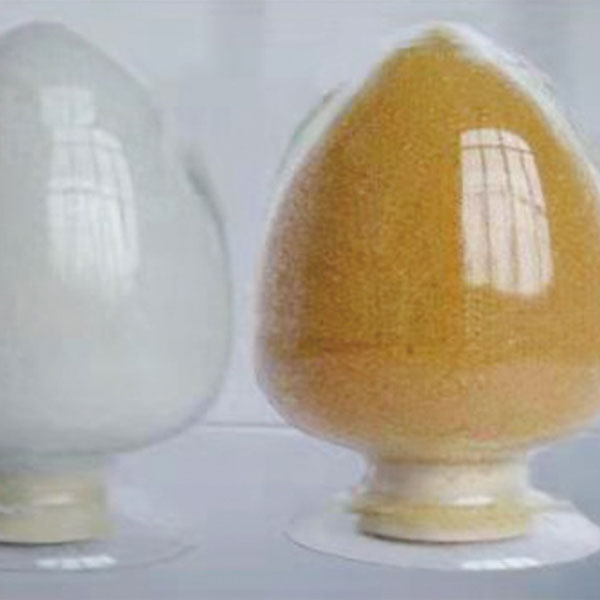 Unit desalting and demineralization equipment and special resin
 -
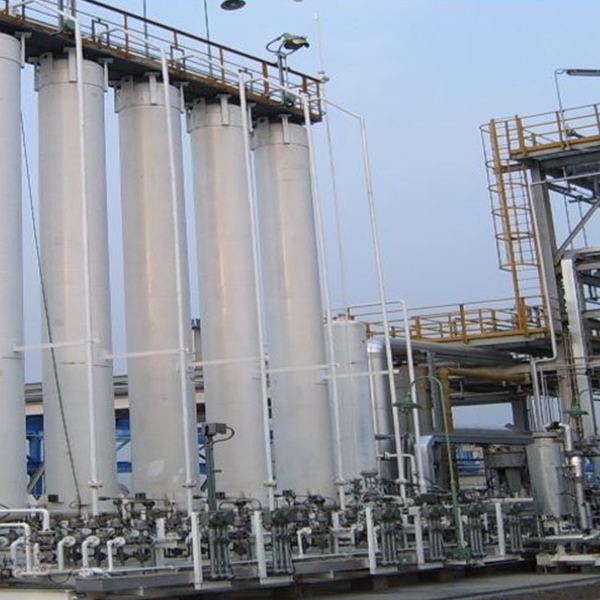 Argon purification
 -
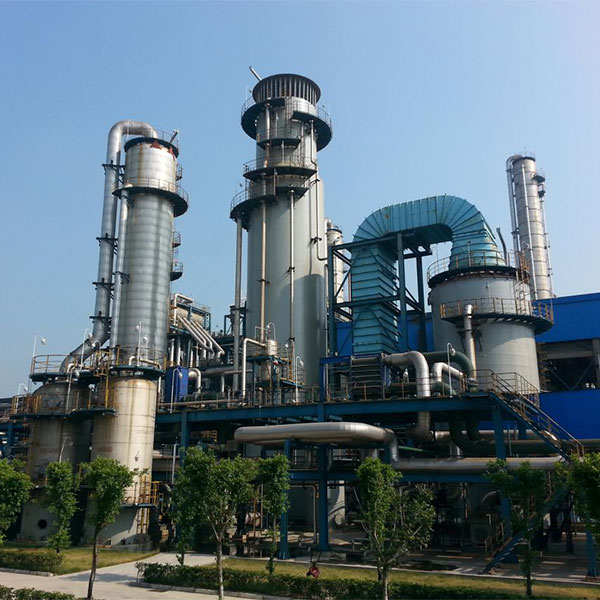 Wet CO2 removal technology
 -
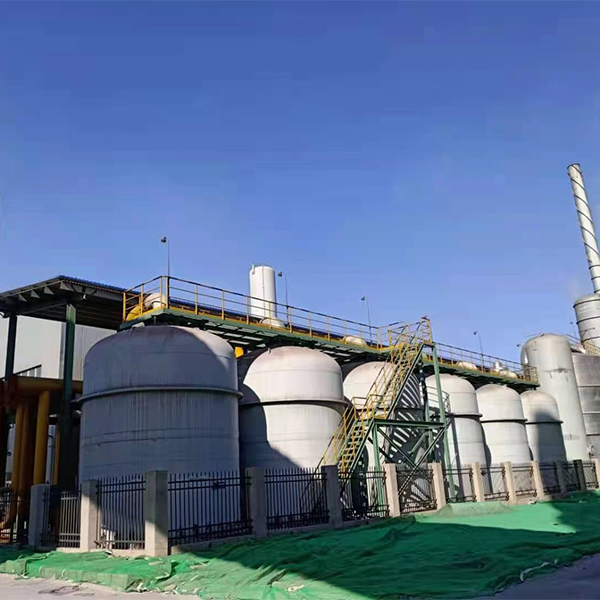 Oxygen purification and utilization
 -
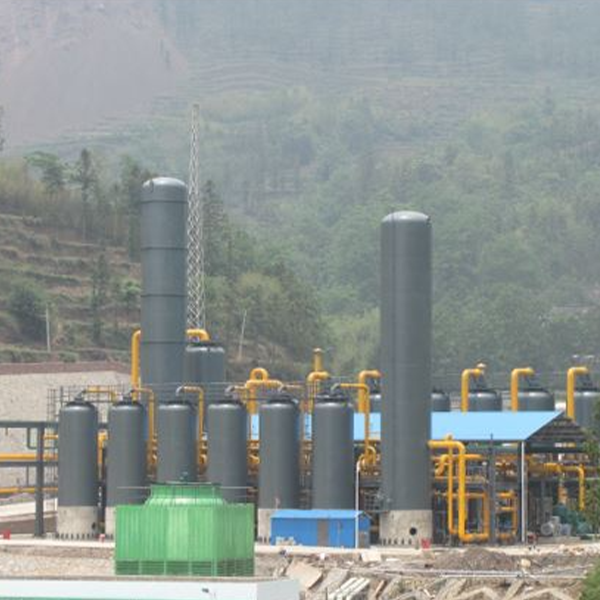 Methane extraction technology - biogas
 -
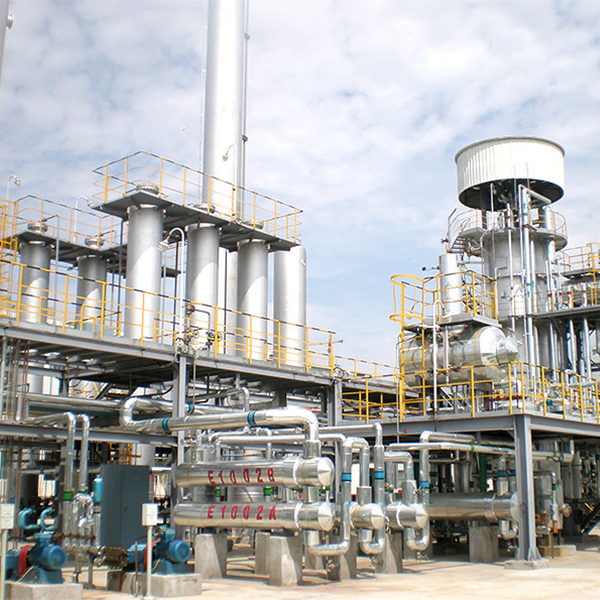 Hydrogen production by conversion of light hydrocarbons with steam
Relatedsearch
Related Search- China air conditioner valve products
- China water adsorbents factory
- China Pressure Swing Adsorption Hydrogen Purification Technology Suppliers
- China Desalting and Demineralization Unit Equipment and Special Resin Factories
- What is the liquefaction of natural gas called?
- China adsorbents drugs list factories
- China control valve products
- injector valve
- China check valve exporters
- China Adsorbent Application Suppliers