

injector valve
Injector valve: small part, big role
The injector valve is a tiny but very important part in your car's fuel system. Think of it as a small valve that controls the flow of fuel into the engine. Without it, your car simply won't start, or will run erratically and inefficiently.
How does an injector valve work?
This valve, about the size of a fingernail, opens and closes under the precise control of an electronic control unit (ECU). The ECU, essentially the brain of your car, constantly monitors the engine's needs and regulates the amount of fuel to be sent to the cylinders. When the ECU determines that more or less fuel is needed, it sends an electrical signal to the injector valve. This signal causes the valve to open, allowing the required amount of fuel to pass through, and then close. This cycle is repeated many times per second, ensuring a continuous supply of fuel.
Why might an injector valve fail?
Like any mechanical part, the injector valve can fail. This may happen due to:
Poor quality fuel: Too many impurities in the fuel can clog the valve openings, preventing it from working properly.
Engine overheating: High temperatures can damage the device and reduce its performance.
Severe Vibrations: Prolonged vibration and shaking can cause premature failure.
Aging of the valve itself: Like all parts, injector valves have their own service life.
What happens if the injector valve breaks?
If an injector valve fails, it can lead to various engine performance problems:
Unstable engine operation, jerking, misfires.
Deterioration in fuel efficiency.
Increased fuel consumption.
In the worst case, a complete inability to start the car.
Therefore, timely maintenance and attention to the condition of the injector valves are key factors for the long and trouble-free operation of your car.
Correspondingproducts
Related Products

Best Sellingproducts
Best Selling Products-
 MEA-MDEA-NHD Desulfurization Technology
 -
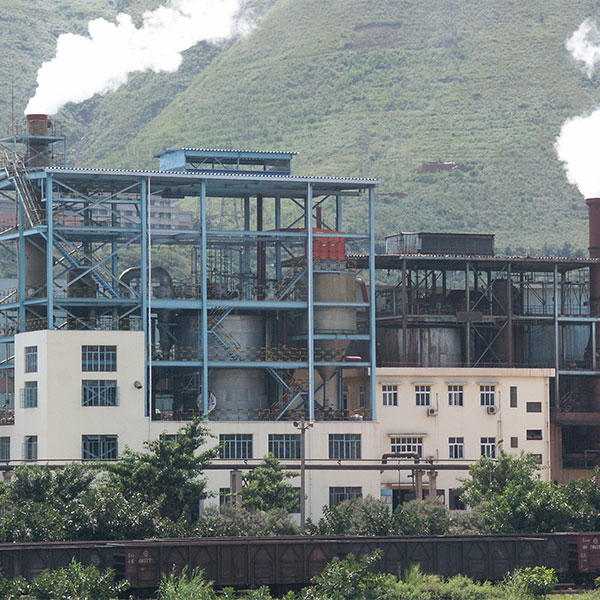 Waste acid regeneration
 -
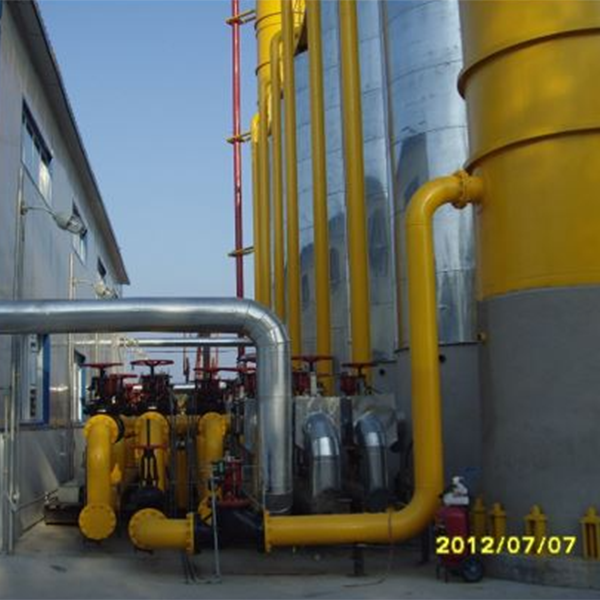 Vinyl chloride recycling technology
 -
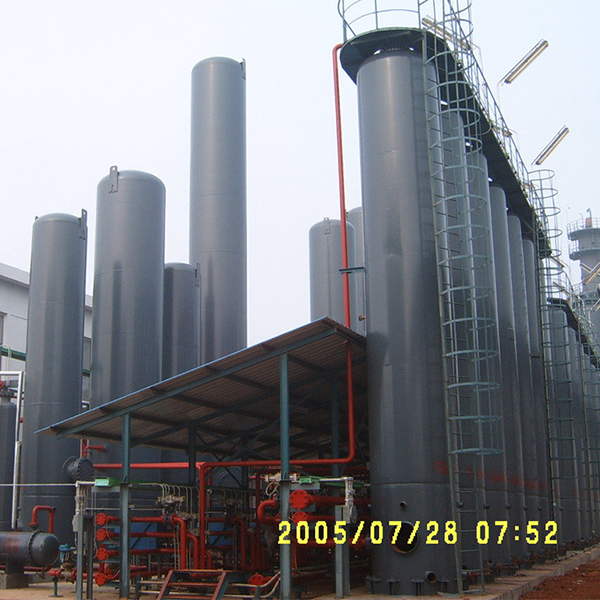 CO removal by pressure swing adsorption
 -
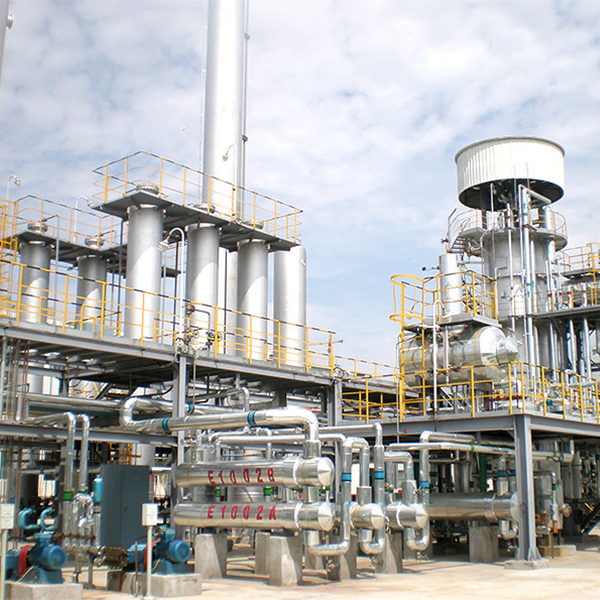 Hydrogen production by conversion of light hydrocarbons with steam
 -
 MPS decarbonization technology
 -
 Hydrogen production by splitting methanol
 -
 Flue gas CO2 recovery technology
 -
 VOC tail gas disposal
 -
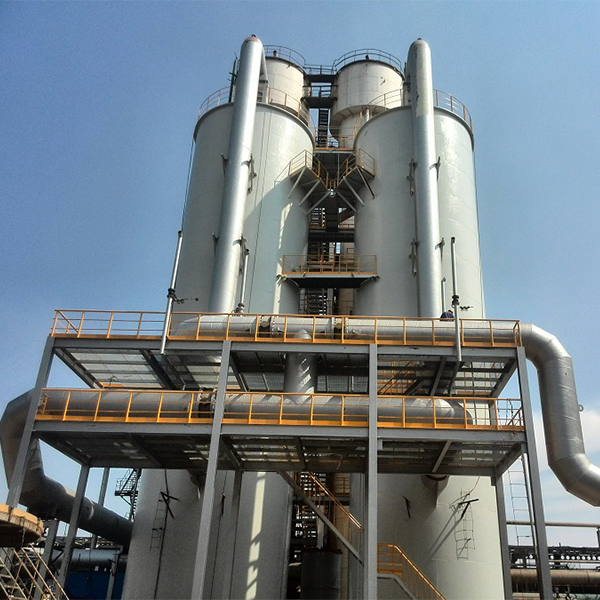 Desulfurization technology using the redox wet method
 -
 Liquefaction of natural gas
 -
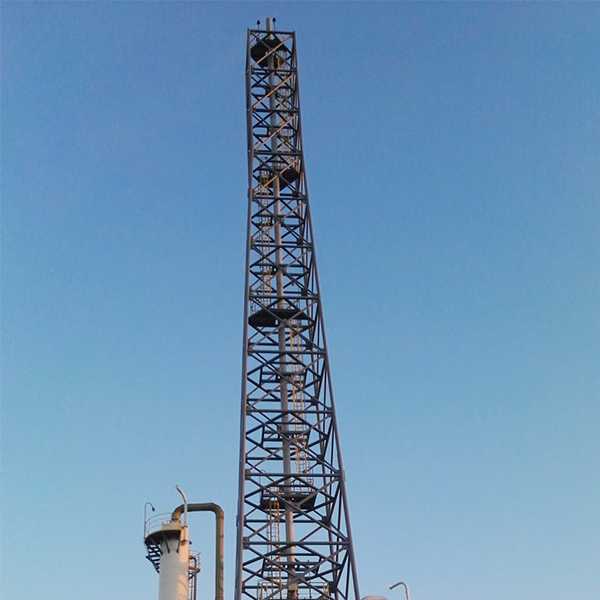 Technology of desulfurization and CO2 removal using NHD method
Relatedsearch
Related Search- Butterfly valve with handle
- China construction of liquefied natural gas plant Exporter
- natural gas liquefaction process
- China desiccant desiccant exporters
- adsorbents activated carbon wholesale
- China ventilation valve product
- Electromagnetic butterfly valve
- Adsorbent price
- China desiccant desiccant Main buyer country
- China Ionic Liquid Desulfurization Technology Manufacturer