


compressor valve
Compressor valve
The compressor valve is the unsung hero of the engineering world, playing a critical role in the operation of many devices, from refrigerators to paint compressors. Imagine that this is a small guard that regulates the flow of air or gas, preventing it from escaping or, conversely, stagnating. It is like a valve that opens and closes to control pressure and flow.
Compressor valve types
There are many types of valves, each suitable for a specific application. Some valves are responsible for admitting air or gas into the compressor, while others are responsible for releasing it. Some operate automatically in response to changes in pressure, while others require manual control. There are valves that allow gas to pass through at high speed, and others that slowly and smoothly regulate the flow. Choosing the right valve depends on what kind of compressor is being used and what exactly it is supposed to do.
Functions and importance
The compressor valve is extremely important for the proper operation of the entire device. He is responsible for:
Maintaining the required pressure: Without a valve, the pressure inside the compressor could build up or drop quickly, leading to failure.
Overload protection: The valve prevents pressure from becoming too high, which could damage the compressor or associated systems.
Flow Control: It regulates the rate at which gas enters and exits, which is important for the efficient operation of the entire system. For example, in a refrigerator this flow allows the chamber to be cooled, and in a paint gun it creates pressure for high-quality work.
Reliability and durability: A properly selected and maintained valve ensures uninterrupted operation of the compressor for a long time, preventing breakdowns.
As a result, despite its small role, the compressor valve is an indispensable component that ensures stable and efficient operation of the entire device. It is like a keeper of energy and pressure, making the operation of the compressor safe and productive.
Correspondingproducts
Related Products
Best Sellingproducts
Best Selling Products-
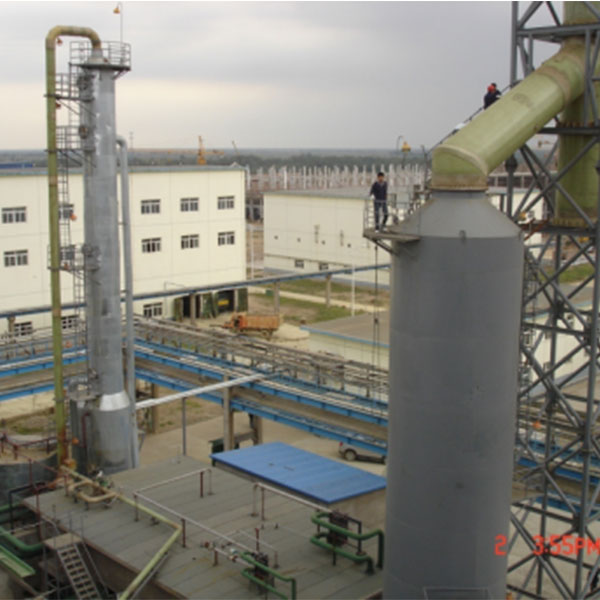 Ionic liquid desulfurization technology
 -
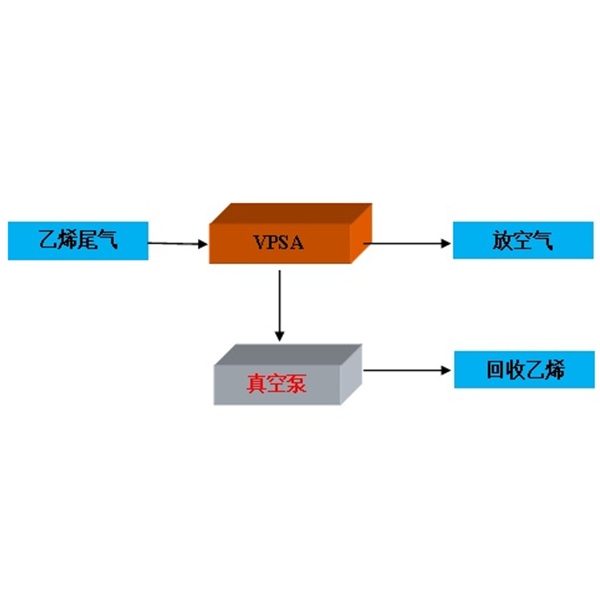 Ethylene tail gas recovery
 -
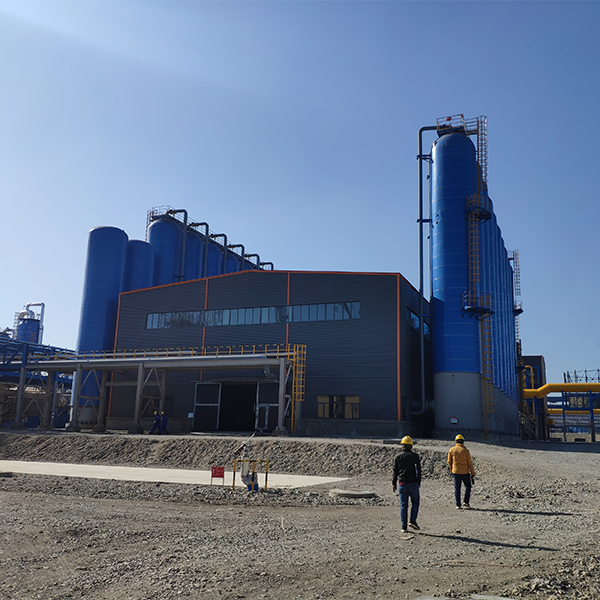 Hydrogen production by coal gasification
 -
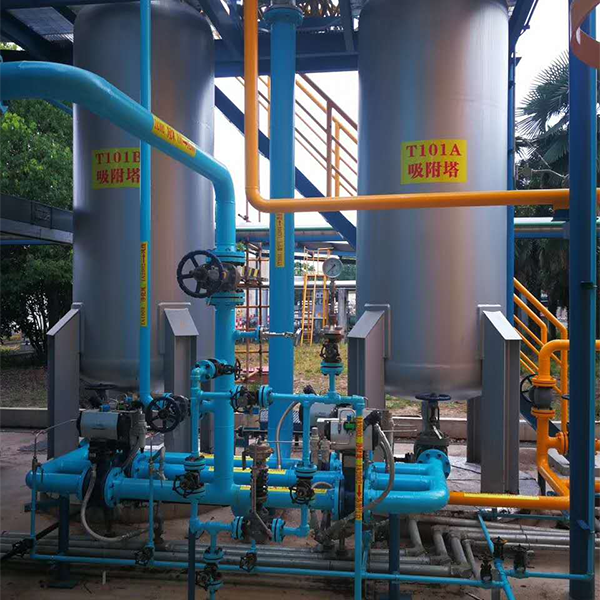 Nitrogen production by pressure swing adsorption
 -
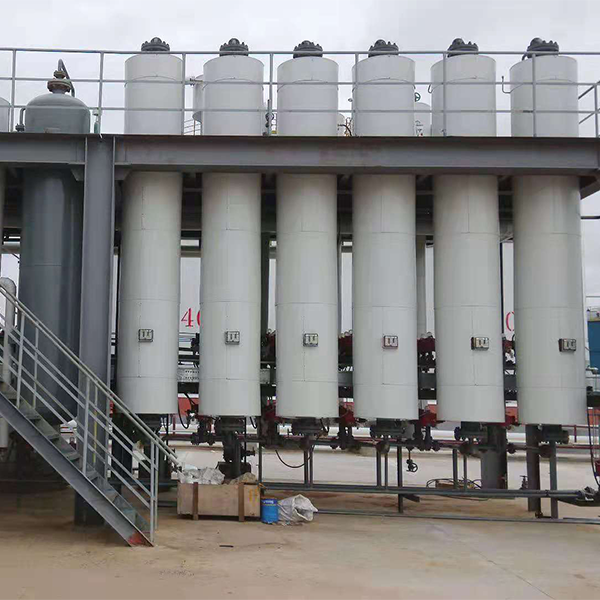 Hydrogen production by splitting methanol
 -
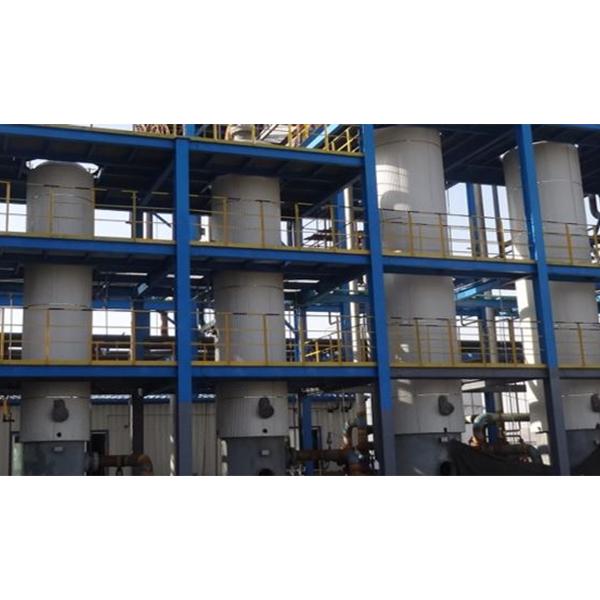 Coal gas organic sulfur fine removal technology
 -
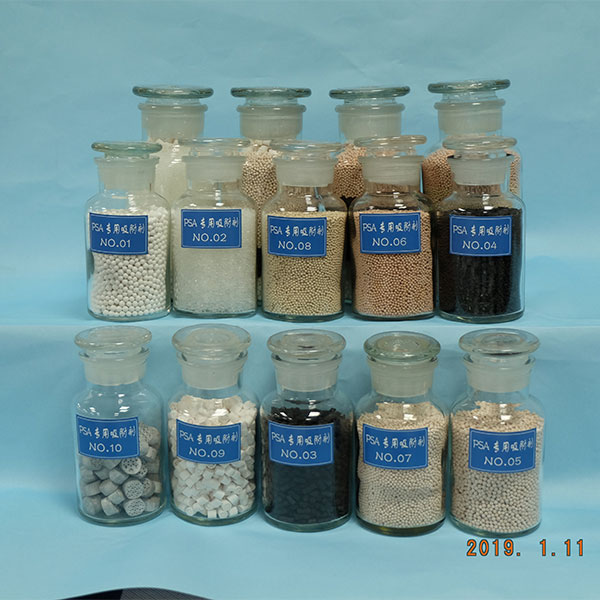 absorbent
 -
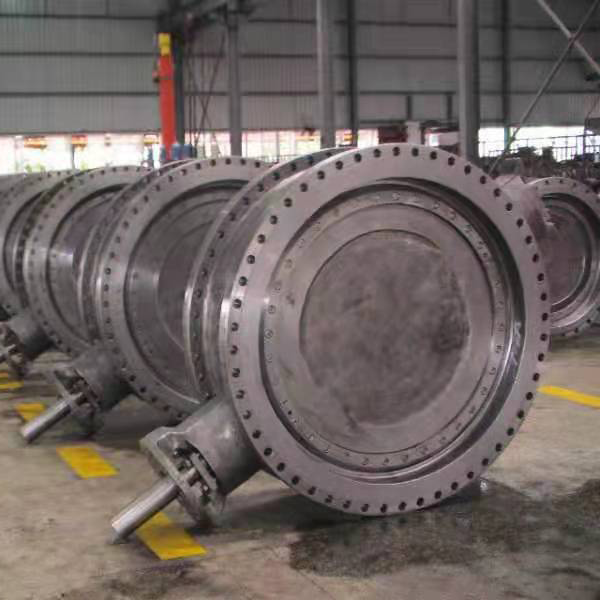 Valve
Valve -
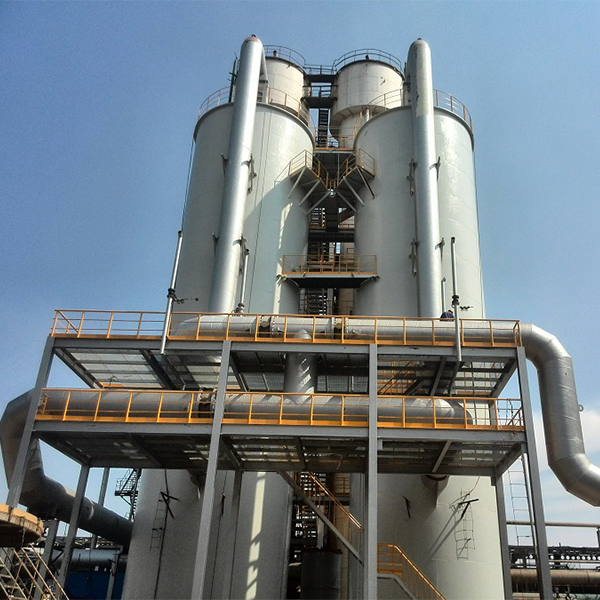 Desulfurization technology using the redox wet method
 -
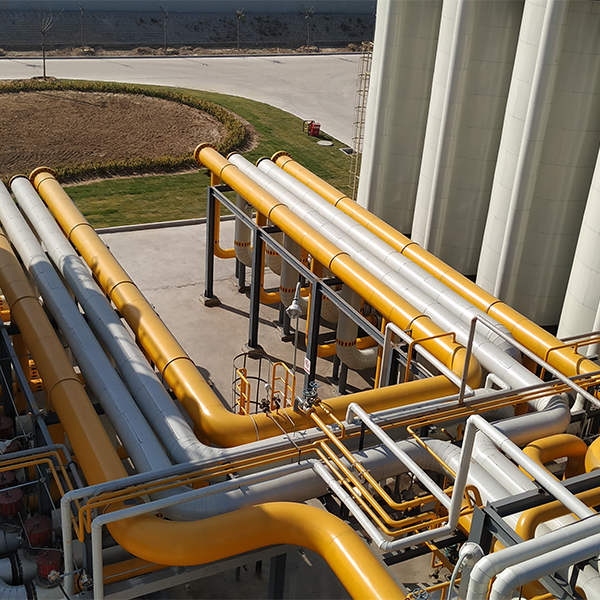 Coke gas purification technology
 -
 Methane extraction technology – coalbed methane
 -
 Vinyl chloride recycling technology
Relatedsearch
Related Search- China Natural Adsorbent Manufacturers
- China Food Adsorbent Manufacturer
- China solenoid valve factories
- China liquefied natural gas what is the name of Supplier
- China Natural Gas Liquefaction Plant Manufacturers
- China Name Adsorbents Exporter
- China Russian natural gas liquefaction technology product
- China natural gas liquefaction equipment product
- China three way valve factory
- China adsorbent price factories