

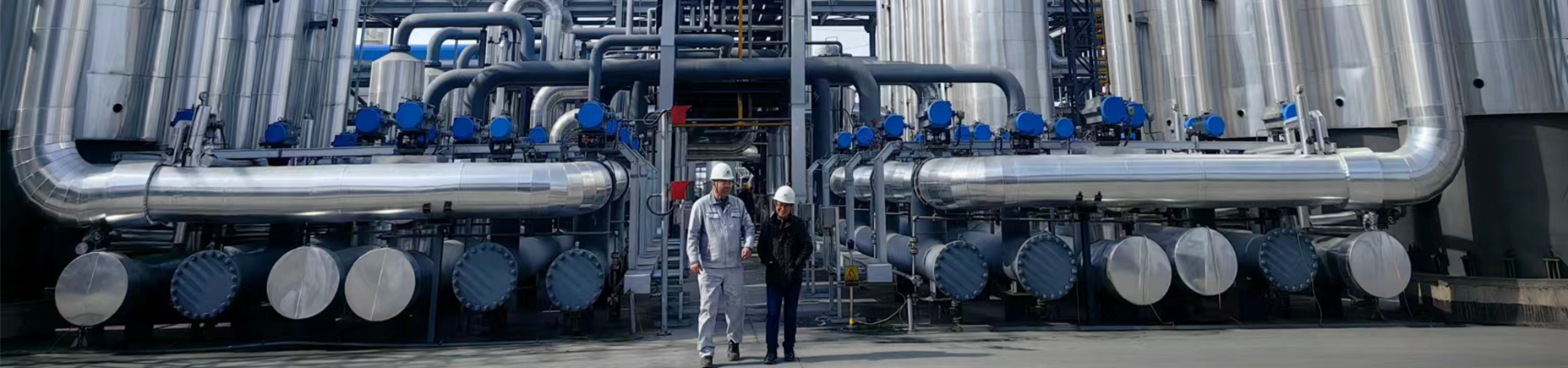
fuel valve
Fuel valve: your invisible assistant in the car
The fuel valve is a tiny but very important element in your car's fuel system. It is like a valve that regulates the flow of fuel entering the engine. Imagine that without it the engine would be like a hungry man who is not given water. He simply won't be able to work.
How does it work?
The fuel valve, often located in the fuel rail or on the fuel pump, is responsible for ensuring that fuel reaches the injectors at the right time and in the right amount. It's like he's dispensing fuel into portions, like a chef distributing ingredients in a cooking process. If it doesn't work correctly, the engine may not start or may run rough, leading to loss of power and ultimately troublesome problems.
Why might the fuel valve fail?
Like any other mechanism, the fuel valve is subject to wear. Gradually, under the influence of fuel, high temperatures and vibrations, its parts may wear out. Poor fuel quality, voltage surges in the electrical system, or simply natural wear and tear can all affect valve performance. Clogging of the system with fuel can also lead to disruption of its operation, as well as the accumulation of dirt on it. It's a bit like constantly having to push away rubbish to open a door - it will become difficult over time. In general, valve problems are not uncommon, but they can be prevented by keeping a close eye on the condition of your vehicle.
What to do if the fuel valve is faulty?
If you notice that your car is difficult to start, runs rough, or won't start at all, this could be a sign of a bad fuel valve. Don't delay diagnosis. Contact a qualified auto mechanic to determine the cause of the problem and make repairs. Problems with the fuel valve can lead to more serious damage, so timely contact with a specialist is the key to a comfortable and safe ride. After all, you want your car to please you for a long time and without problems!
Correspondingproducts
Related Products
Best Sellingproducts
Best Selling Products-
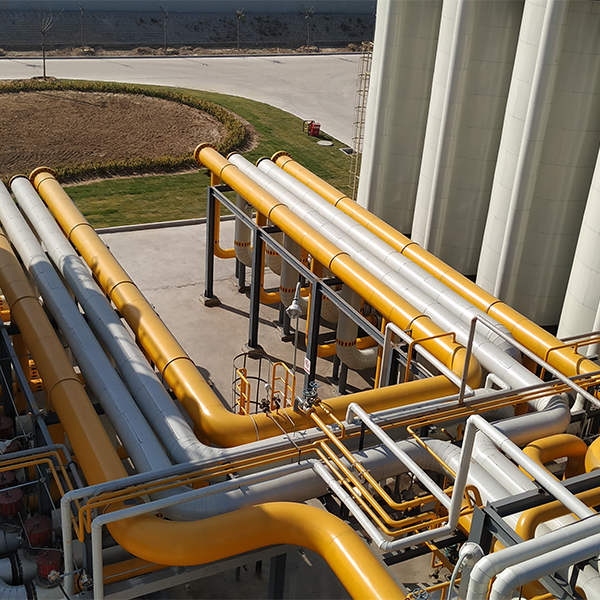 Coke gas purification technology
 -
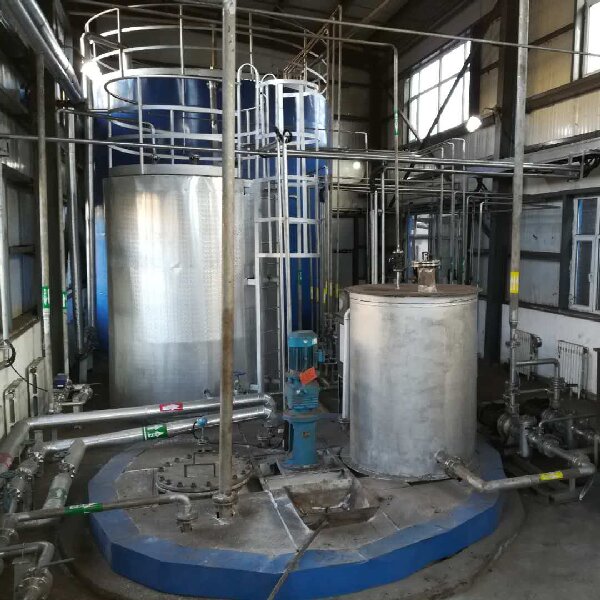 Flue gas denitrification SCR、SNC
 -
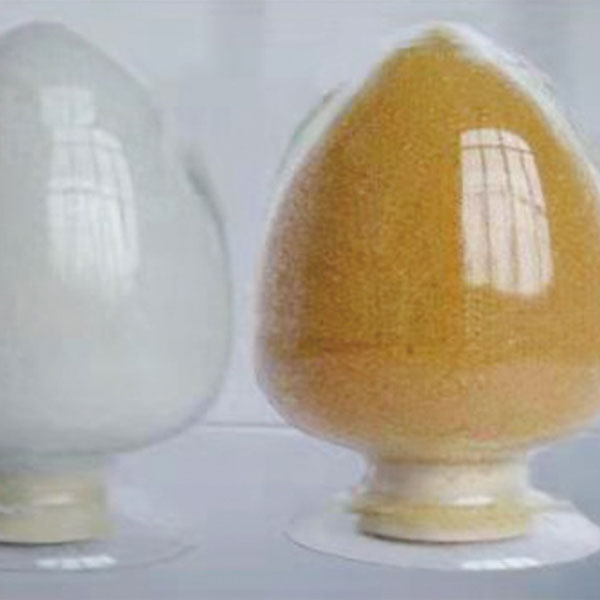 Unit desalting and demineralization equipment and special resin
 -
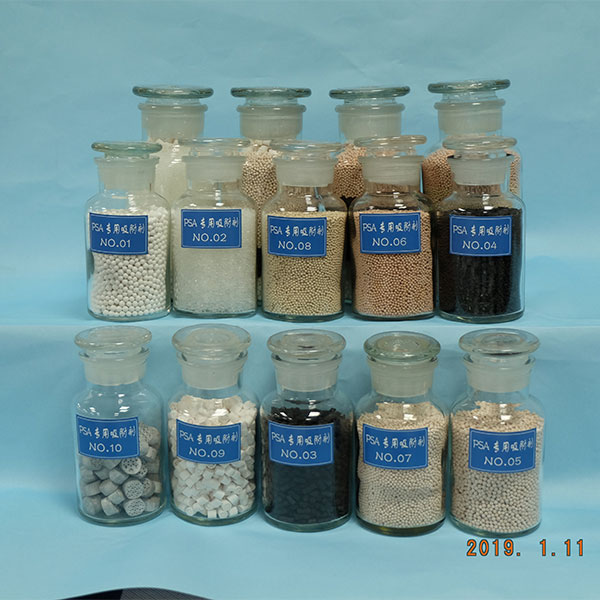 absorbent
 -
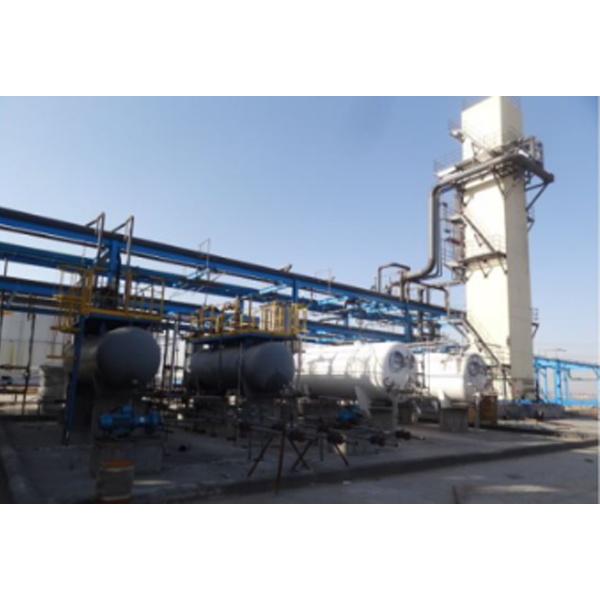 Liquefaction of natural gas
 -
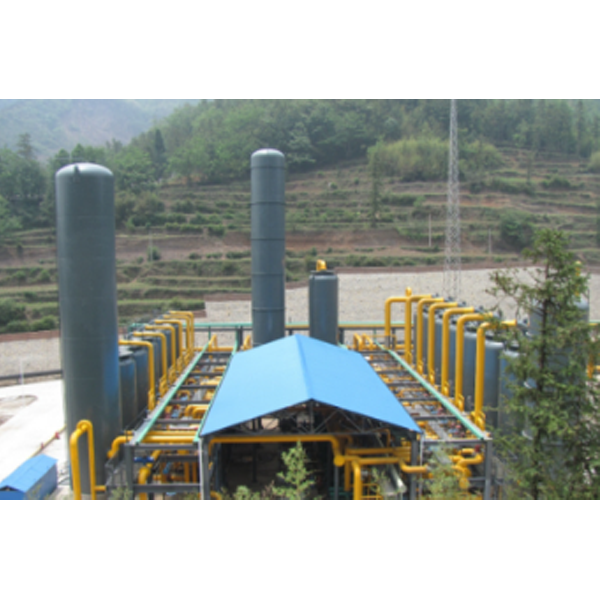 Methane extraction technology – coalbed methane
 -
 Battery material precursor production technology
 -
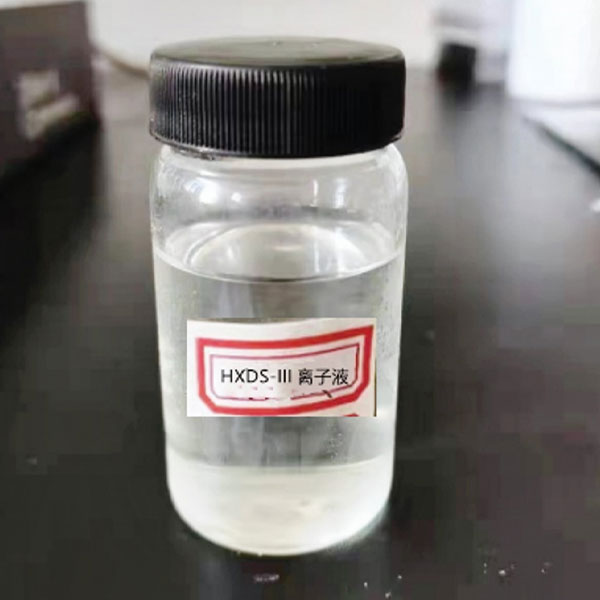 Ionic liquid desulfurizer
 -
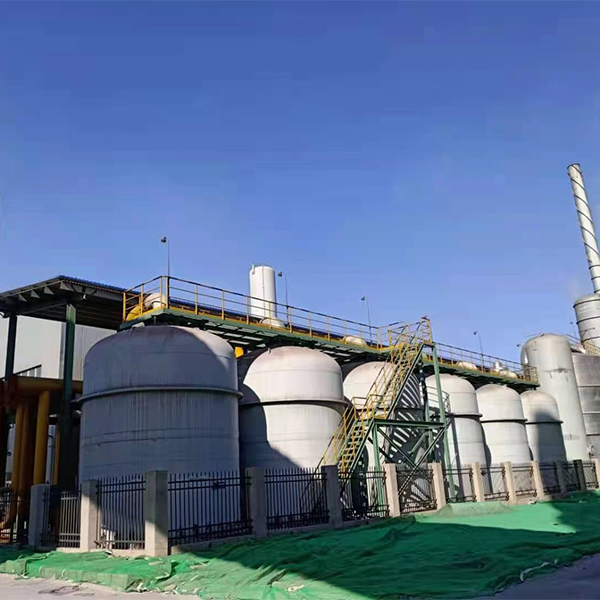 Oxygen purification and utilization
 -
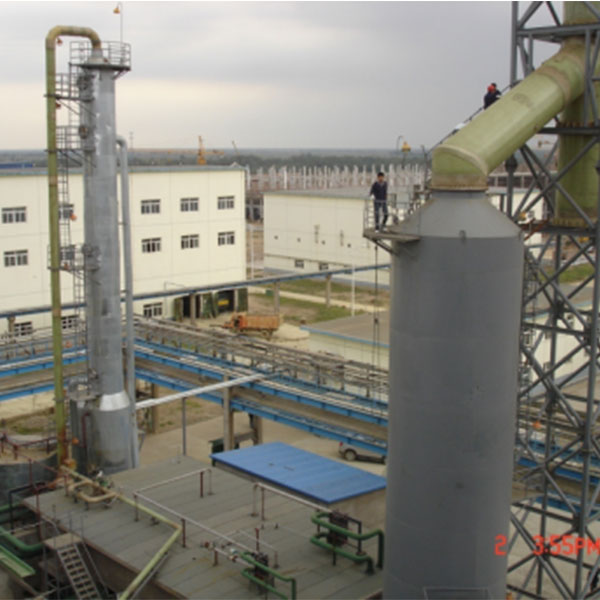 Ionic liquid desulfurization technology
 -
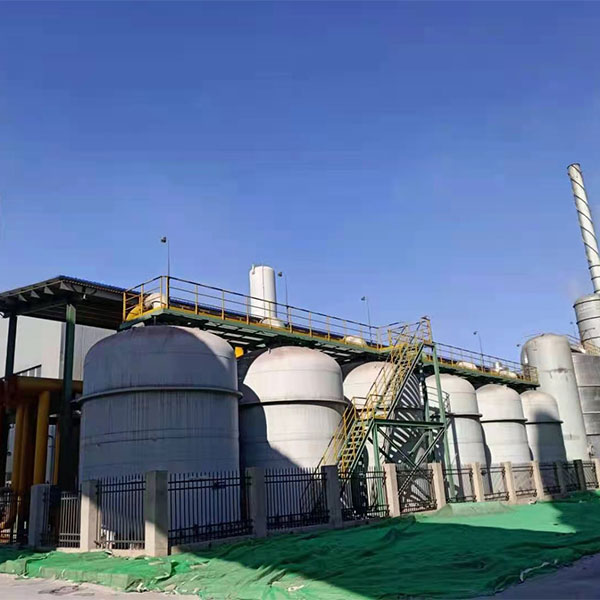 CO2 removal by pressure swing adsorption
 -
 MPS decarbonization technology
Relatedsearch
Related Search- China injector valve product
- China water valve Main buyer country
- China pressure valve products
- Russian natural gas liquefaction technology
- China NHD CO2 Desulfurization and Removal Technology Exporters
- Coal gas organic sulfur fine removal technology
- China desiccant desiccant factories
- China liquefied natural gas plant exporters
- China Oxygen production by pressure swing adsorption Main buyer country
- China valve years exporters