

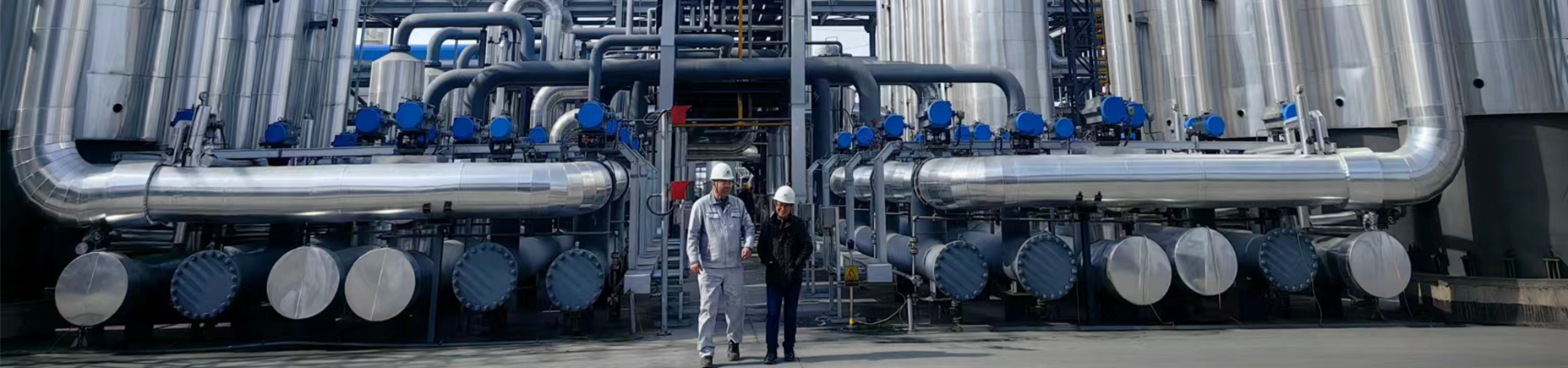
Hydrogen production by splitting methanol
Hydrogen production by splitting methanol
Hydrogen is the fuel of the future. Clean, environmentally friendly, it can replace traditional energy sources, helping us reduce greenhouse gas emissions. But how to obtain this valuable gas on an industrial scale? One promising method is the splitting of methanol. Let's figure out how it works and what the advantages and disadvantages of this process are.
How does methanol break down?
The process of splitting methanol (CH?OH) into hydrogen (H?) and carbon dioxide (CO?) is a chemical reaction. Simply put, under the influence of certain catalysts and conditions, temperature and pressure, the methanol molecule breaks into its constituent elements. This is a rather complex process that requires certain conditions, but the basic idea is simple: pure hydrogen is produced from ordinary methanol, which, by the way, can be obtained from natural gas.
Advantages of the method
The main advantage is the relative availability of methanol. It can be produced from a variety of sources, including natural gas, making the hydrogen production process more economical than, for example, water electrolysis. In addition, methanol splitting can be carried out in existing infrastructure, facilitating a smoother transition to hydrogen energy. The absence of harmful emissions during the splitting process itself is another important plus.
Disadvantages and further developments
However, not everything is so rosy. Producing methanol from natural gas, of course, has a carbon footprint. So the process of producing hydrogen in this way may not be as environmentally friendly as we would like. In addition, there is the issue of the cost of catalysts and the energy consumption of the process itself. Scientists are actively working to improve catalysts to make the process more efficient and cost-effective. Another important aspect is the utilization of the generated carbon dioxide. Developments are aimed at maximizing the full utilization of this by-product, turning it into valuable chemicals or using it in other processes.
Overall, hydrogen production from methanol splitting is a promising technology that could play an important role in the transition to green energy. Further research and development is needed to optimize the process, reduce its cost and address environmental issues.
Correspondingproducts
Related Products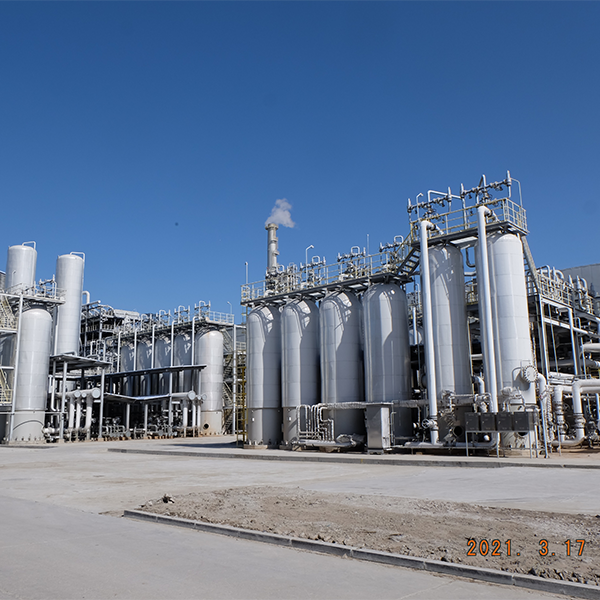
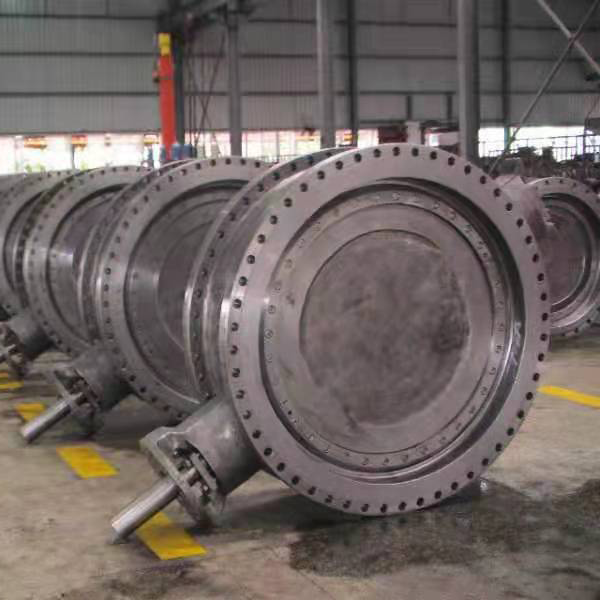
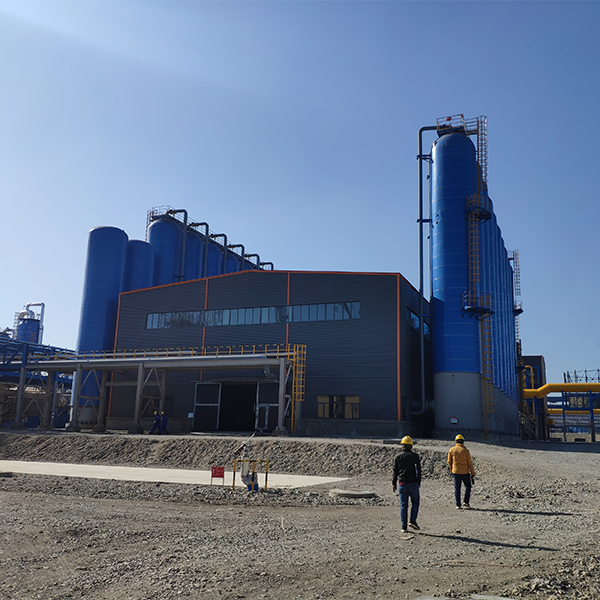
Best Sellingproducts
Best Selling Products-
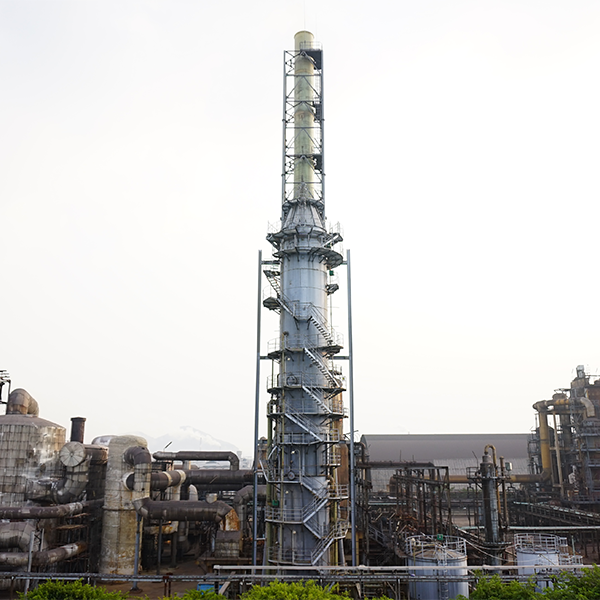 Flue gas desulfurization technology using ammonia
 -
 MPS decarbonization technology
 -
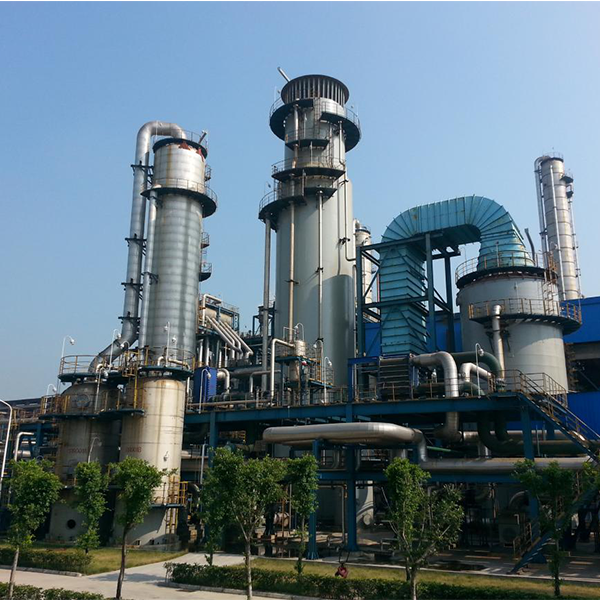 MEA-MDEA-NHD Desulfurization Technology
 -
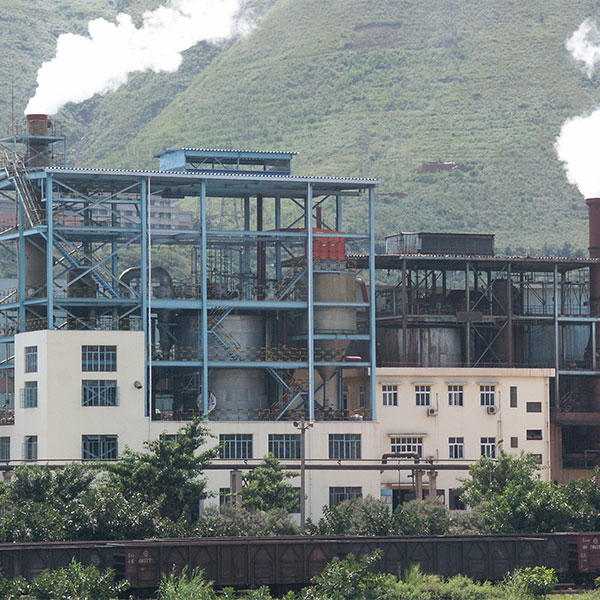 Waste acid regeneration
 -
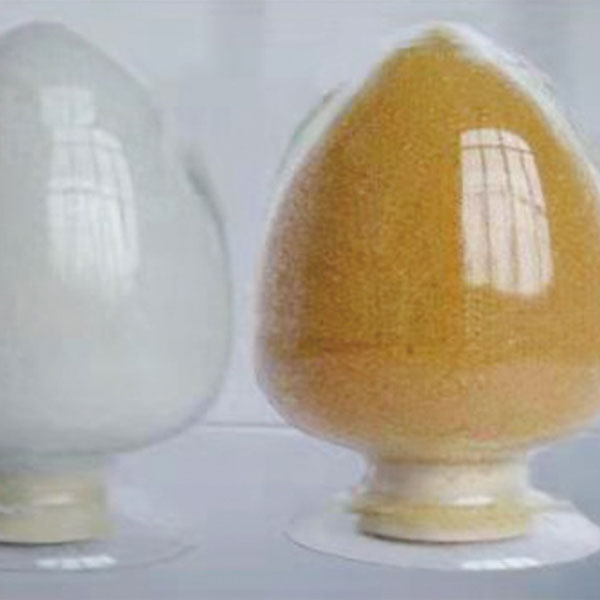 Unit desalting and demineralization equipment and special resin
 -
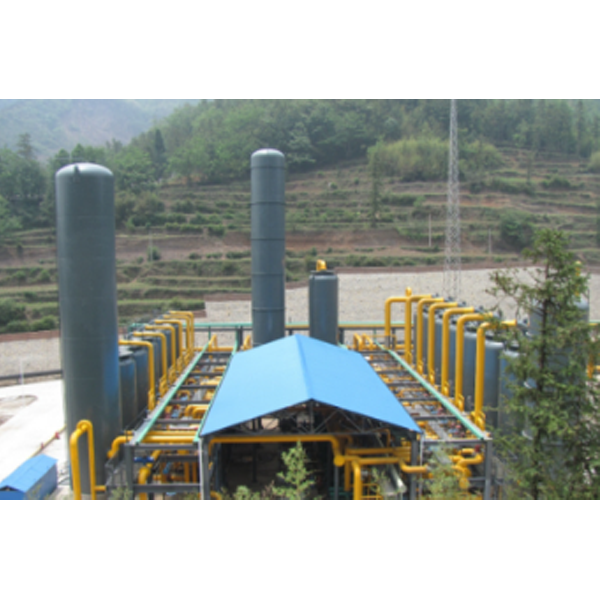 Methane extraction technology – coalbed methane
 -
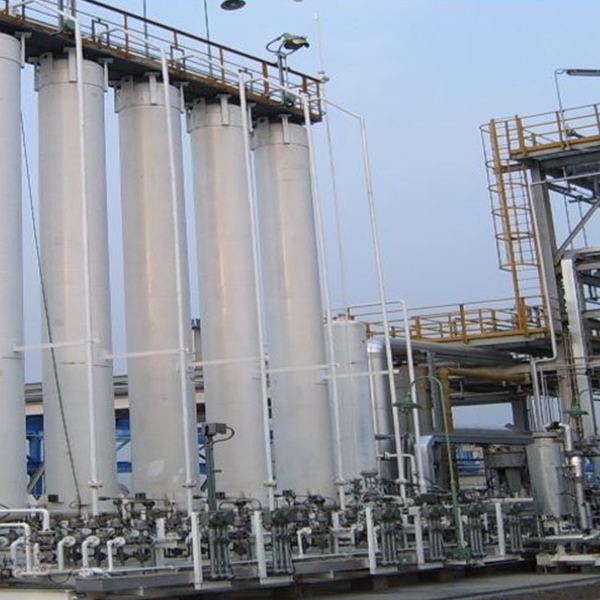 Argon purification
 -
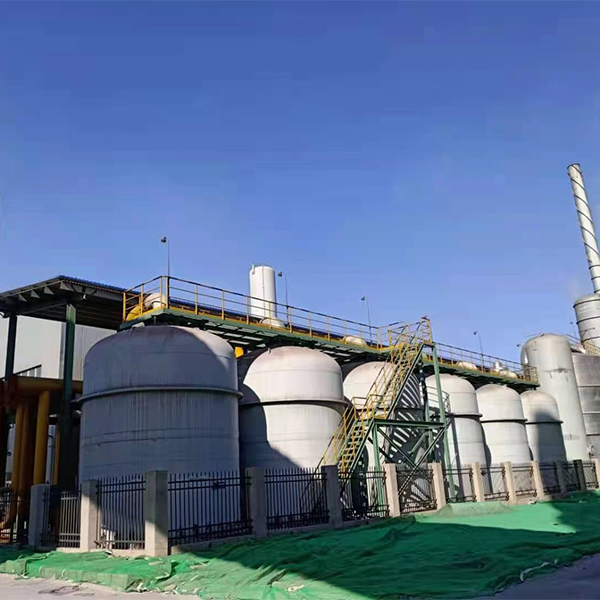 Oxygen purification and utilization
 -
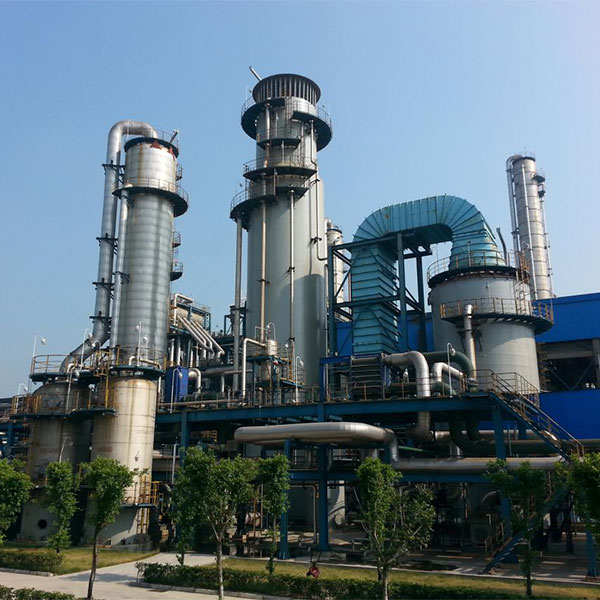 Wet CO2 removal technology
 -
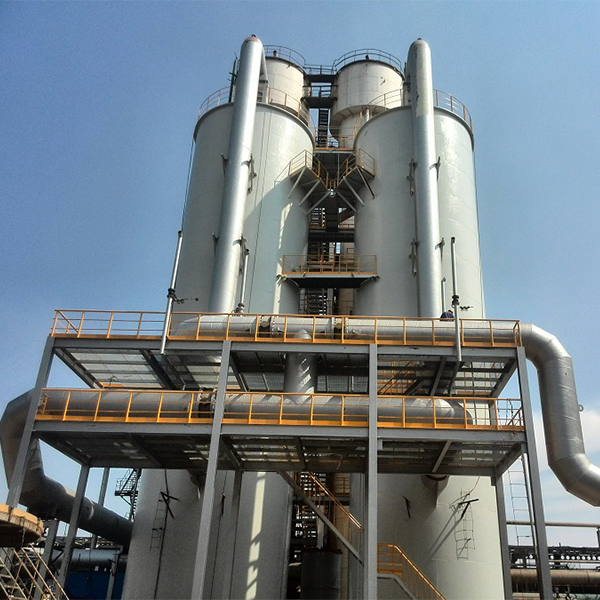 Desulfurization technology using the redox wet method
 -
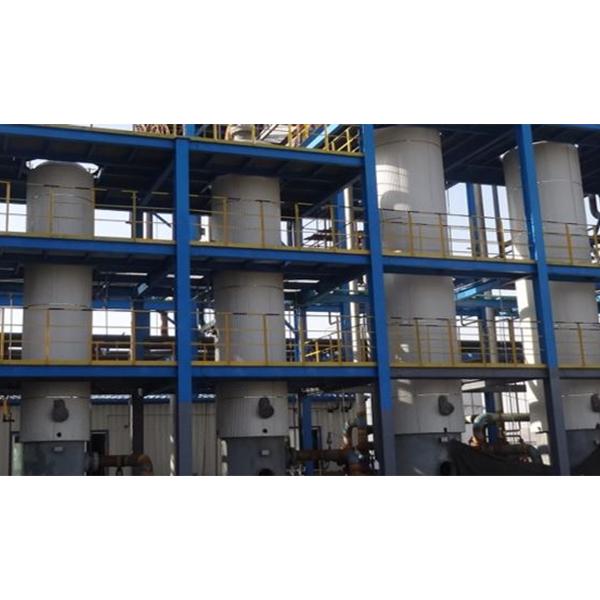 Coal gas organic sulfur fine removal technology
 -
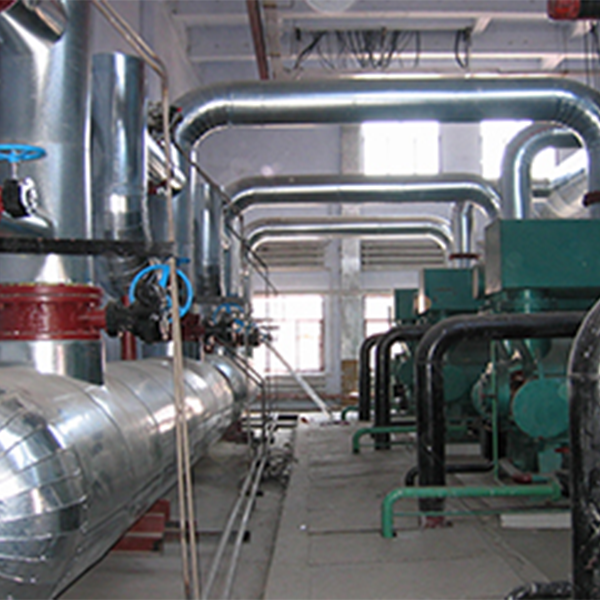 Oxygen production by pressure swing adsorption
Relatedsearch
Related Search- Wet CO2 removal technology supplier
- ventilation valve
- China natural gas liquefaction unit plants
- Waste acid regeneration supplier
- China sorbent adsorbent products
- What is the name of the unique technology for liquefying natural gas?
- China Safety Valve Suppliers
- China what is the name of Russian natural gas liquefaction technology Manufacturers
- mycotoxin adsorbent
- China sorbent adsorbent Manufacturer