


Oxygen production by pressure swing adsorption
Oxygen production by pressure swing adsorption
Nowadays, when ecology is becoming more and more relevant, the issues of obtaining clean and environmentally friendly resources are becoming increasingly important. One such oxygen production method that is gaining popularity is pressure swing adsorption (PSA). This method is a rather interesting and effective way to obtain oxygen from the air, and we will look at it in more detail.
How PSA works
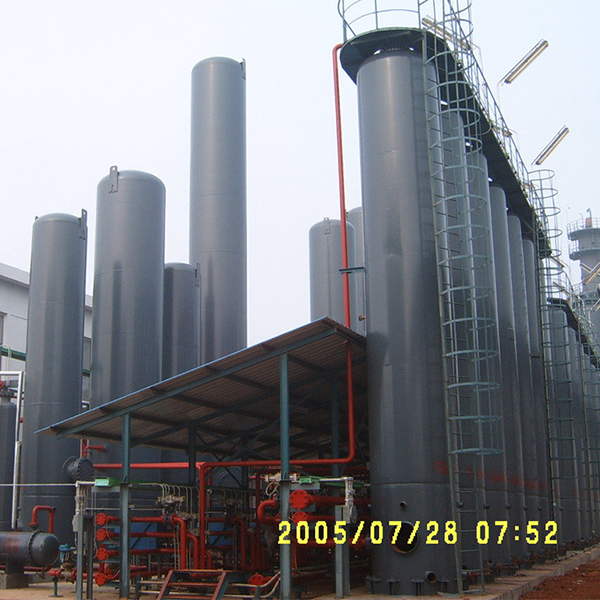
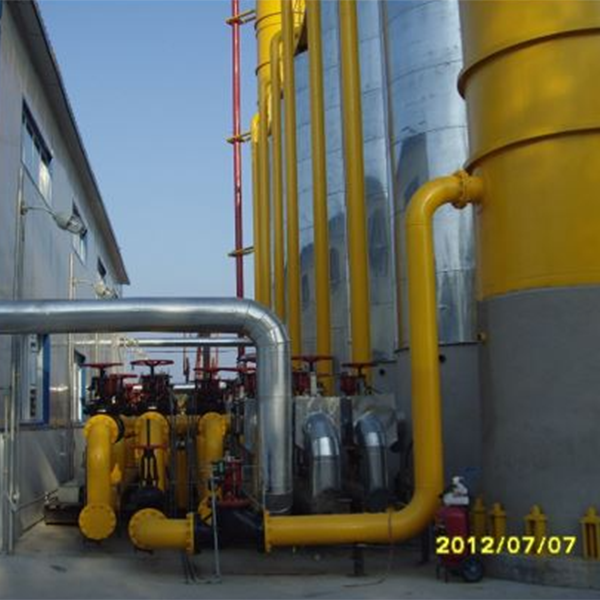
Imagine a porous sponge that can stick to certain gases, like a magnet sticks to metal. This is precisely the function that a special material – an adsorbent – has. PSA uses many of these sponges, enclosed in specific containers. First, high pressure air is forced through these adsorbents. Oxygen, unlike nitrogen and other gases, adheres better to these materials. Thus, the air is purified - the adsorbent retains oxygen, and the rest passes on. Then the pressure changes to low, and the adhered oxygen is released, and the adsorbent is prepared for a new cycle. This process is repeated again and again, and we get pure oxygen.
Advantages of the PSA method
PSA is a fairly simple and accessible method. It does not require high energy costs compared to other methods of producing oxygen, such as electrolysis. This is important, since saving energy is one of the key environmental challenges of our time. Another advantage is the relatively low cost of the necessary equipment. Moreover, the PSA method provides relatively high purity of the oxygen produced.
Application and prospects
PSA is used in a wide variety of applications. From medicine, where oxygen is needed for breathing, to metallurgy, where it is needed for the process of smelting metals. An increasing number of companies are paying attention to this method, as it combines efficiency, environmental friendliness and affordability. In the future, PSA may become an even more important method for producing oxygen, reducing its environmental impact and meeting the growing demand for this resource.
Correspondingproducts
Related Products
Best Sellingproducts
Best Selling Products-
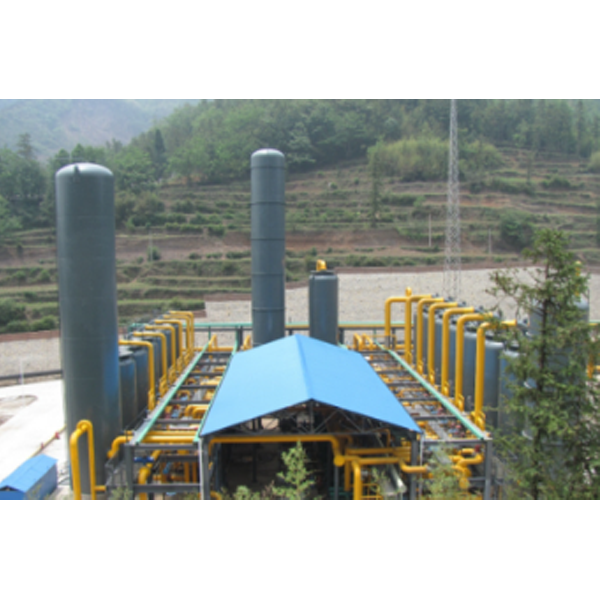 Methane extraction technology – coalbed methane
 -
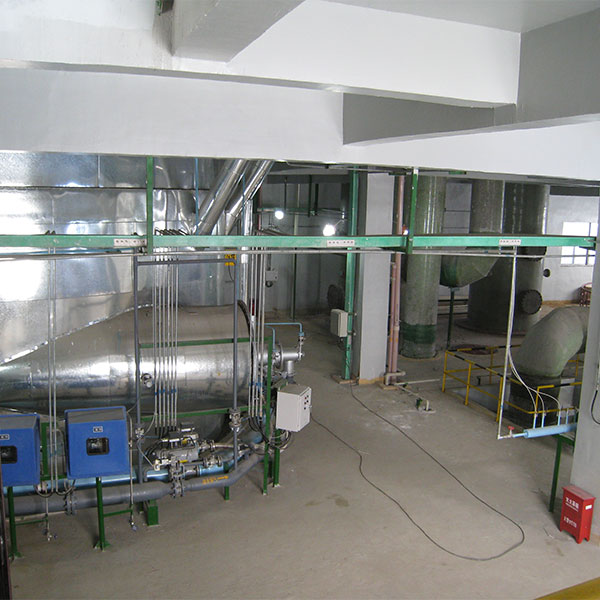 Special acid regeneration equipment
 -
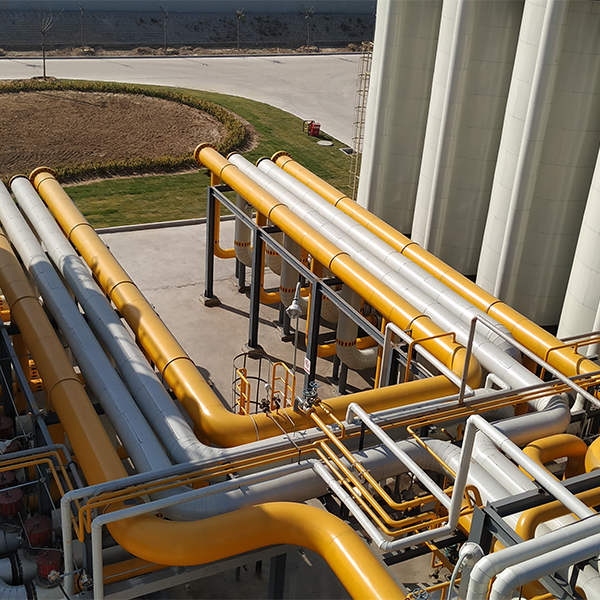 Coke gas purification technology
 -
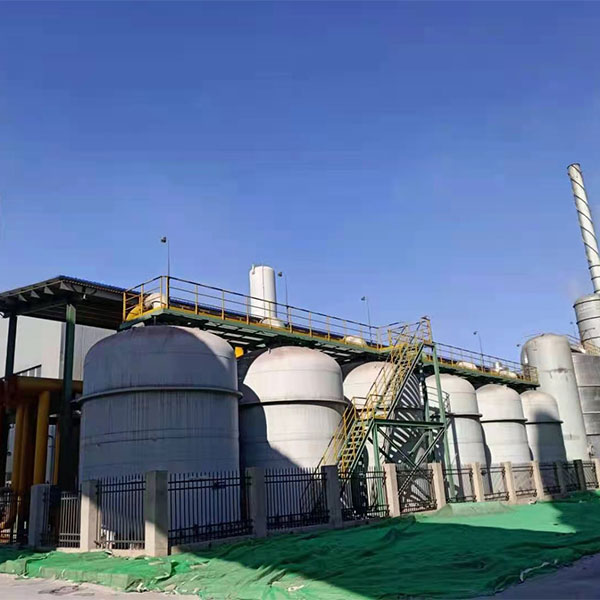 CO2 removal by pressure swing adsorption
 -
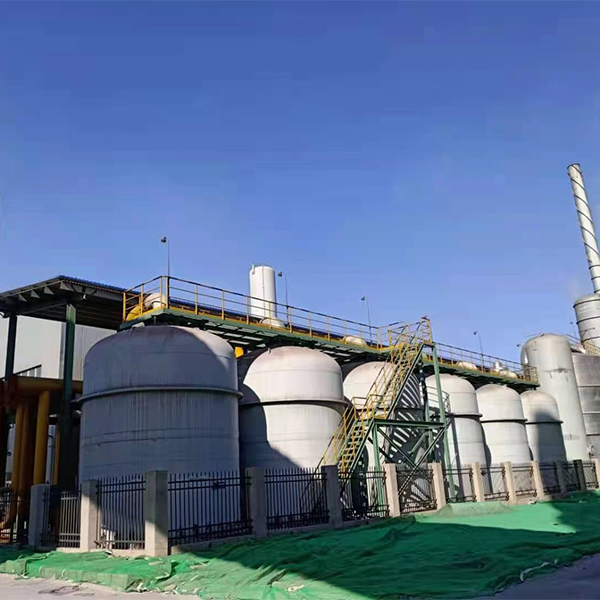 Oxygen purification and utilization
 -
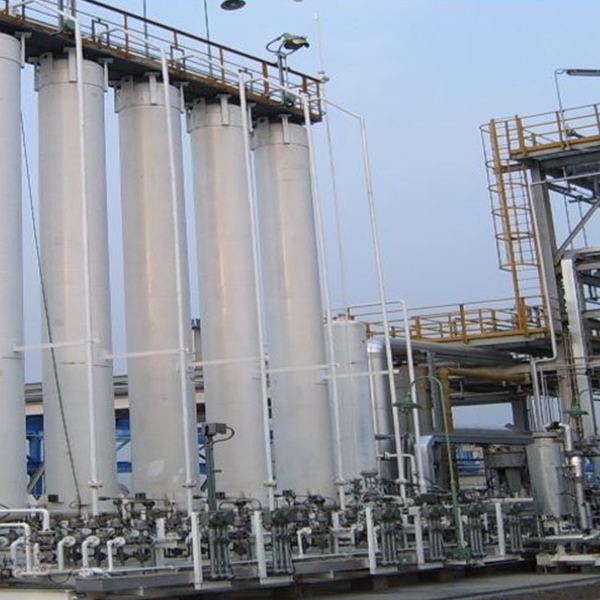 Argon purification
 -
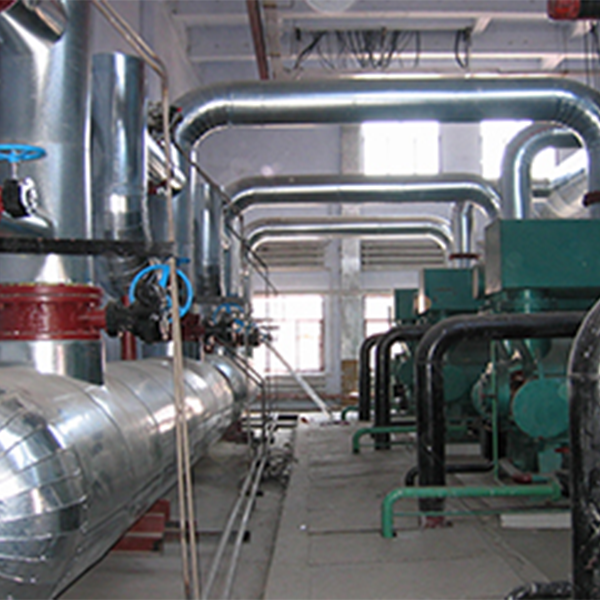 Oxygen production by pressure swing adsorption
 -
 Battery material precursor production technology
 -
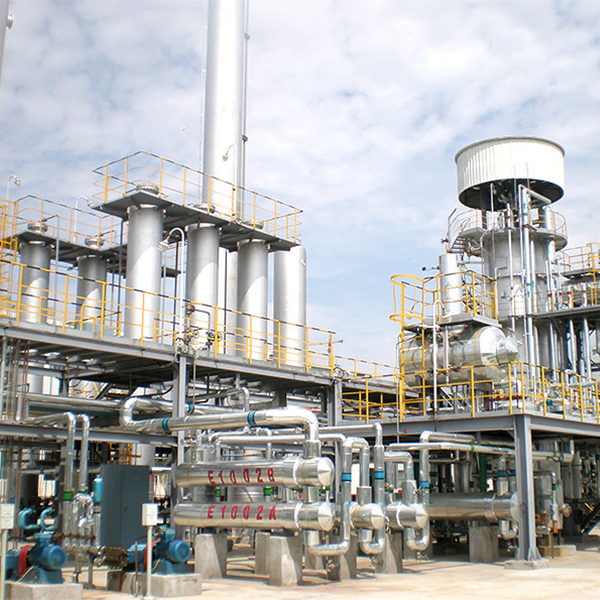 Hydrogen production by conversion of light hydrocarbons with steam
 -
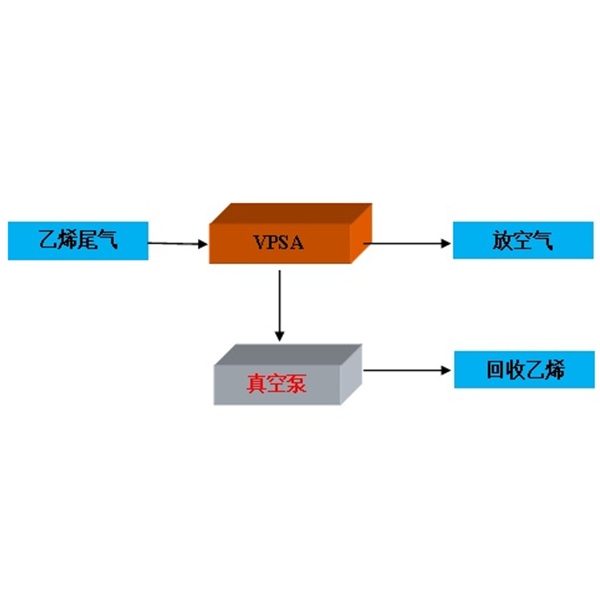 Ethylene tail gas recovery
 -
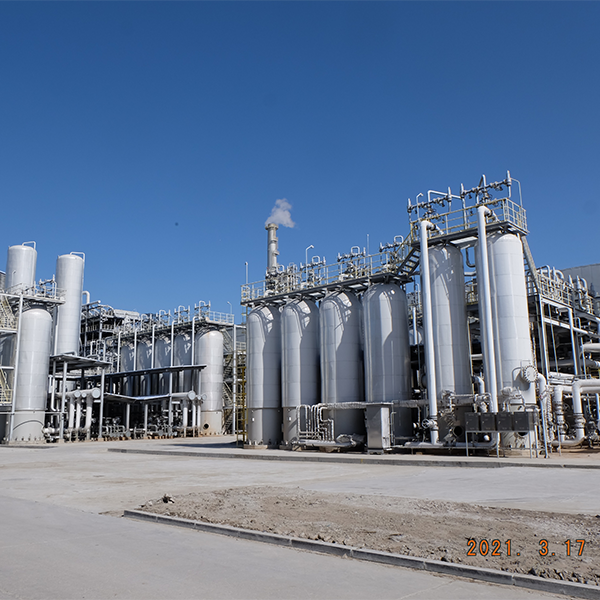 Hydrogen production from coke oven gases
 -
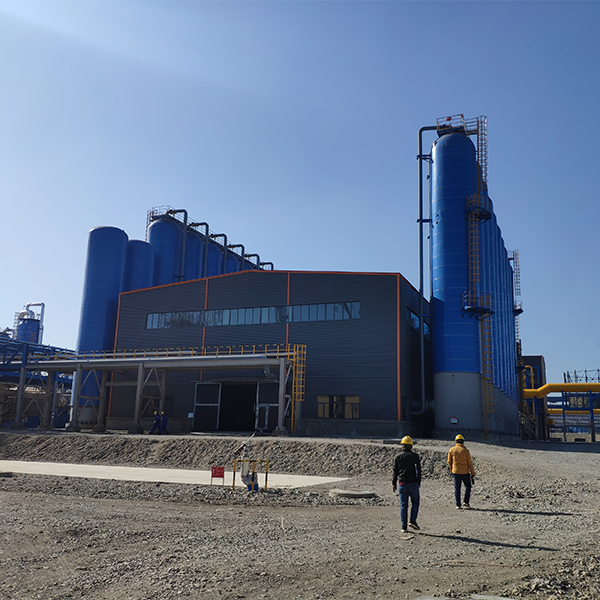 Hydrogen production by coal gasification
Relatedsearch
Related Search- China home liquefied natural gas Main buyer country
- China zeolite adsorbent products
- Adsorbent plant
- China domestic natural gas liquefaction Exporter
- Ionic liquid desulfurization technology plant
- China Adsorbents Preparations Supplier
- China Adsorbent Factory
- Flanged Butterfly Valve
- China adsorbents drugs factory
- China Ionic Liquid Desulfurizer Supplier