

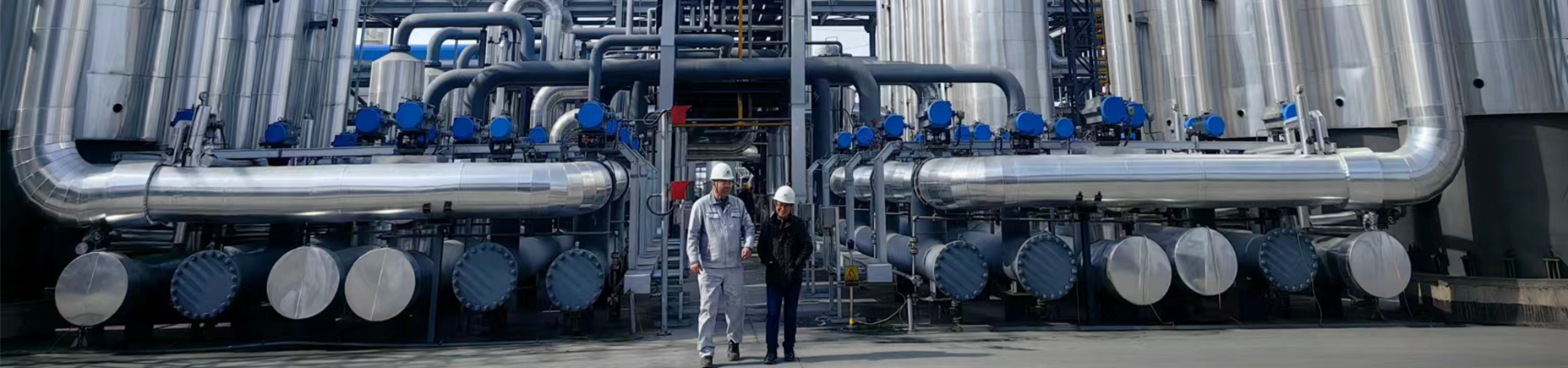
purification of argon from oxygen
Purification of argon from oxygen
Argon is an inert gas widely used in various industries, from welding to medical technology. But argon is almost never found in its pure form. For many applications, especially for welding and other high-tech processes, high purity of argon is required, with an almost complete absence of impurities, including oxygen. Why is oxygen so important to remove? Imagine that you are preparing a dish, and suddenly the grease in your kitchen catches fire. Oxygen is like that fat that, when combined with metal, can lead to unexpected and undesirable results.
Oxygen removal methods
There are several ways to purify argon from oxygen. One of the most common is the use of chemical reactions. The underlying principle is that certain substances react actively with oxygen, absorbing it as if you were removing it from the atmosphere. These substances, like guards, will “catch” oxygen molecules and retain them, leaving pure argon. Another way is to use physical processes, such as sorption. Sorption is like the adhesion of oxygen molecules to special materials, similar to how dust adheres to adhesive tape. These materials, called sorbents, are able to retain oxygen while allowing argon to pass through. The choice of method depends on the specific requirements for the purity and volume of argon.
Effect of oxygen impurities
In the presence of oxygen, the properties of argon change. In welding, for example, the presence of oxygen can lead to the formation of oxides, which can negatively affect the quality of the weld. In other applications involving argon, its unwanted interaction with oxygen can lead to reduced process efficiency or even damage to expensive equipment. Imagine adding salt to the dough, but adding sugar by mistake. Everything will go bad. It’s the same with argon: the presence of oxygen can ruin the whole process.
Economic importance of cleanup
Purifying argon from oxygen is not just a technical process, it is an economic necessity. The high purity of argon provides quality results in many applications, resulting in lower losses and higher production efficiency. Imagine that you make cars. High-quality metal welded using pure argon means more durable and reliable machines. The savings from cleaning up poor welding or other contaminant problems more than offset the cleanup costs.
Correspondingproducts
Related Products
Best Sellingproducts
Best Selling Products-
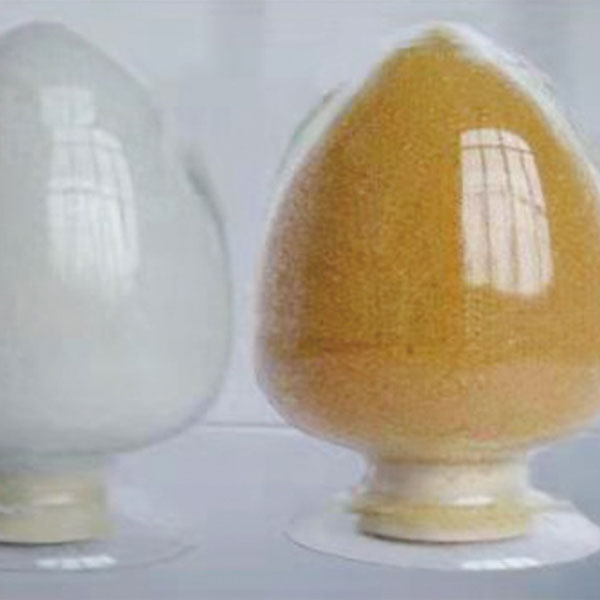 Unit desalting and demineralization equipment and special resin
 -
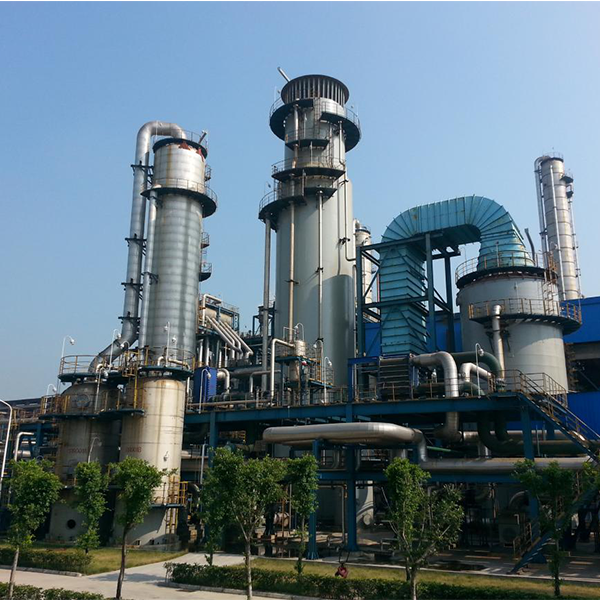 MEA-MDEA-NHD Desulfurization Technology
 -
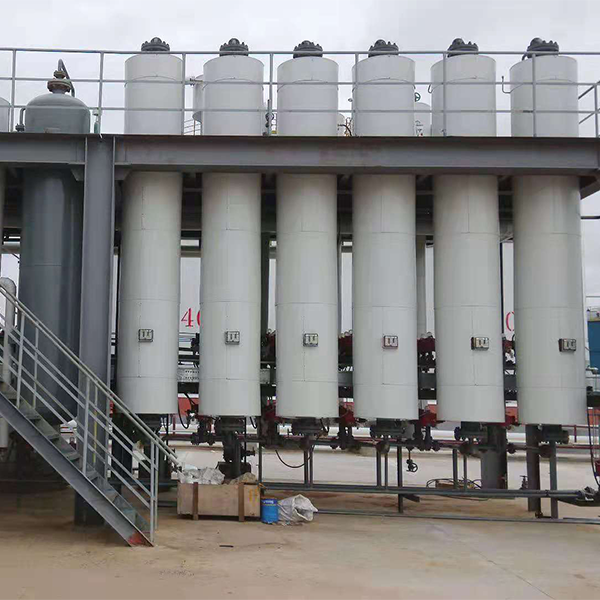 Hydrogen production by splitting methanol
 -
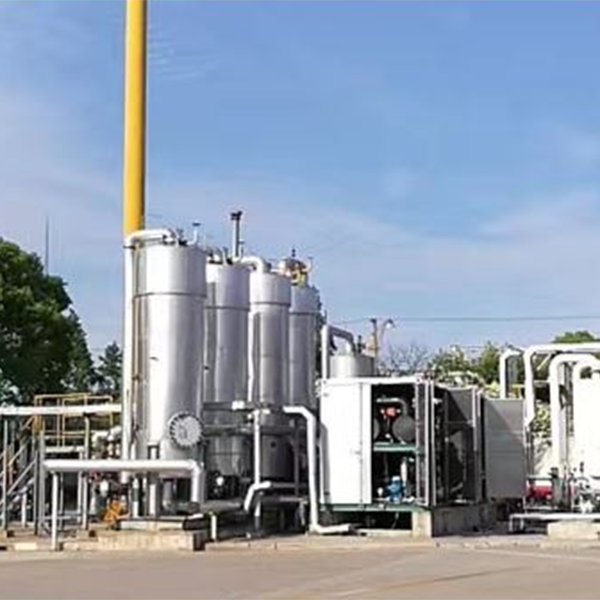 VOC tail gas disposal
 -
 Hydrogen production by coal gasification
 -
 Special acid regeneration equipment
 -
 Hydrogen purification technology by pressure swing adsorption
 -
 Vinyl chloride recycling technology
 -
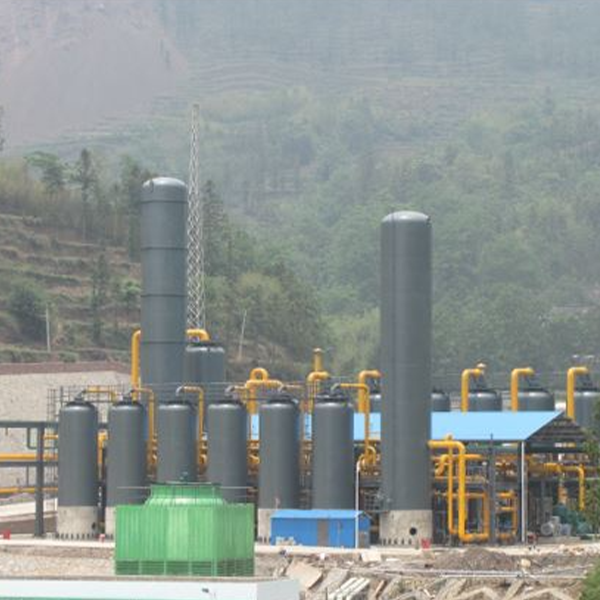 Methane extraction technology - biogas
 -
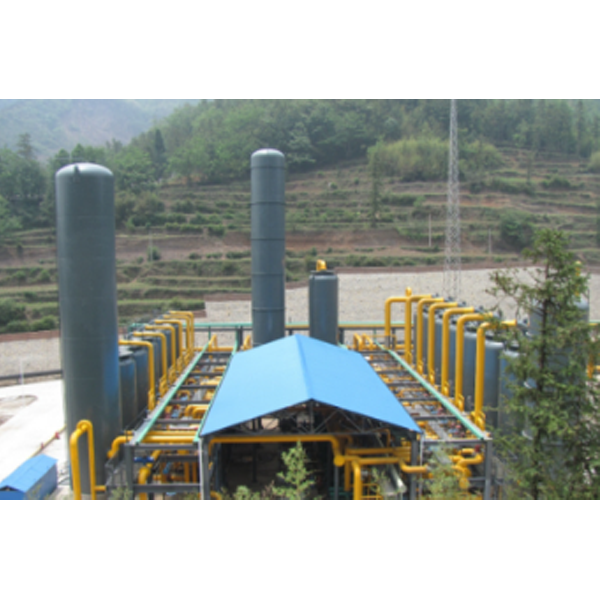 Methane extraction technology – coalbed methane
 -
 MPS decarbonization technology
 -
 Technology of desulfurization and CO2 removal using NHD method
Relatedsearch
Related Search- China Natural Gas Liquefaction Process Suppliers
- China adsorbents examples price
- China Ammonia Flue Gas Desulfurization Technology Supplier
- adsorbents examples wholesale
- China Redox Wet Desulfurization Technology Suppliers
- zeolite adsorbent manufacturer
- China Tail Gas Recycling VOC Price
- China natural gas liquefaction equipment product
- Technology of desulfurization and CO2 removal using NHD method
- China Valve Exporter