

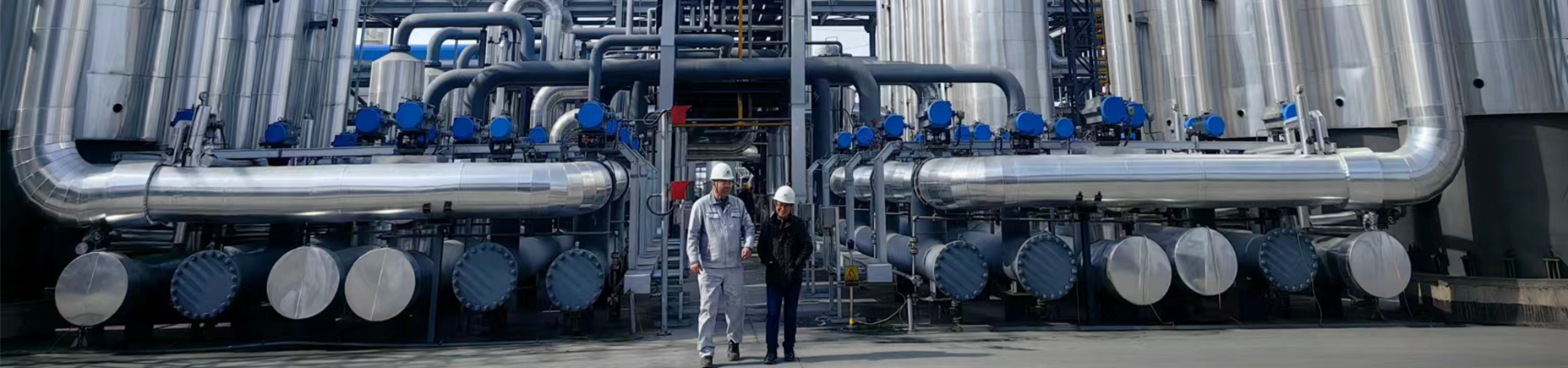
Waste acid regeneration
Waste acid regeneration
Waste acid is a product that is often produced through various chemical processes. Instead of simply throwing it away, you can regenerate it, that is, return it to its original state, or at least to a state suitable for reuse. This is an environmentally responsible approach that saves resources and reduces negative impact on the environment.
Methods for regenerating spent acid
There are several methods for regenerating spent acid, each of which has its own advantages and disadvantages. The most common are chemical methods. They involve the use of various reagents to remove impurities and restore the original composition of the acid. For example, for sulfuric acid this may be the neutralization of excess impurities with alkalis, or, in more complex cases, the extraction of individual components by extraction. Physical methods such as distillation or evaporation can also be effective, but often require high energy input. The choice of method depends on the type of spent acid and its composition. The important point is that each method must be thoroughly tested for safety to prevent harm to people and the environment.
Economic and environmental benefits
Recycling waste acid brings tangible economic benefits. First, it reduces the need to produce new acid, which reduces raw material and energy costs. Secondly, it significantly reduces the amount of waste that needs to be disposed of. Last but not least, regeneration helps protect the environment. The load on landfills and reservoirs that may be contaminated with waste is reduced. This has a positive effect on human health and the conservation of natural resources. Ultimately, saving resources and reducing environmental damage are the main benefits of regeneration.
Technological challenges and prospects
Despite the obvious advantages, waste acid regeneration faces certain technological difficulties. These are, for example, the difficulty in determining the optimal method for each specific case, the high cost of equipment and the need for qualified personnel. However, advances in technology and ongoing research in chemical engineering promise to overcome these problems, making waste acid regeneration more accessible and efficient. In the future, we expect that regeneration will become an indispensable tool in chemical waste management, contributing to sustainable development and the environment.
Correspondingproducts
Related Products
Best Sellingproducts
Best Selling Products-
 Flue gas CO2 recovery technology
 -
 Oxygen purification and utilization
 -
 Food grade CO2 purified
 -
 MPS decarbonization technology
 -
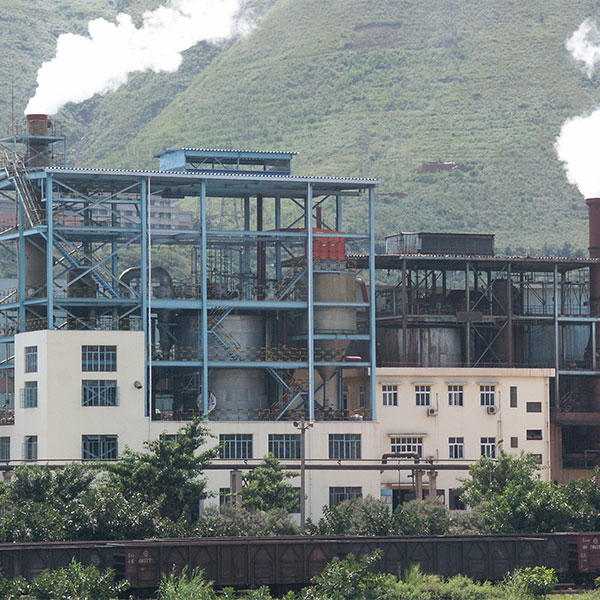 Waste acid regeneration
 -
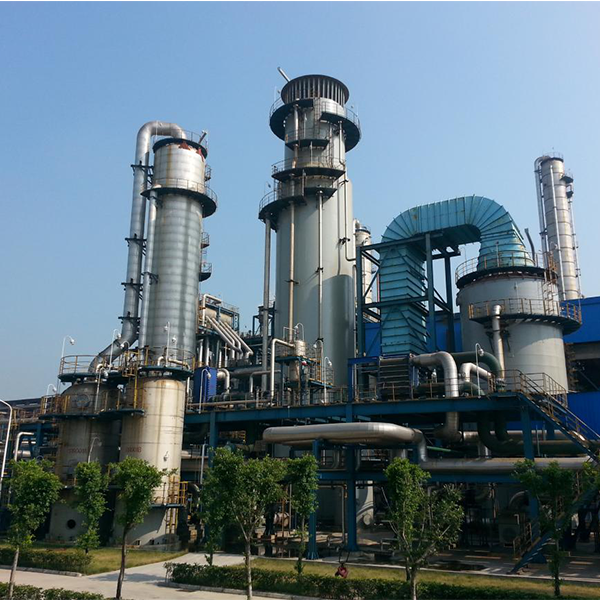 MEA-MDEA-NHD Desulfurization Technology
 -
 Liquefaction of natural gas
 -
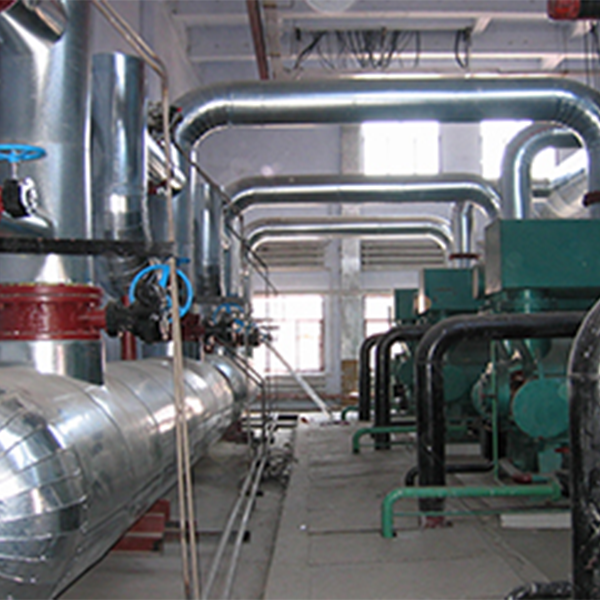 Oxygen production by pressure swing adsorption
 -
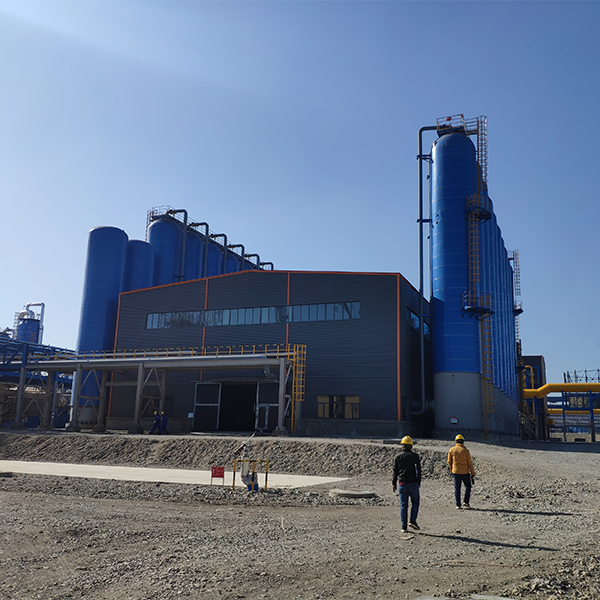 Hydrogen production by coal gasification
 -
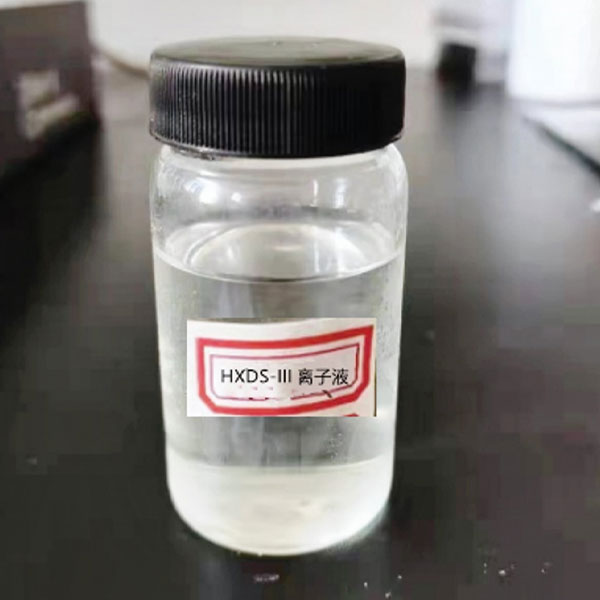 Ionic liquid desulfurizer
 -
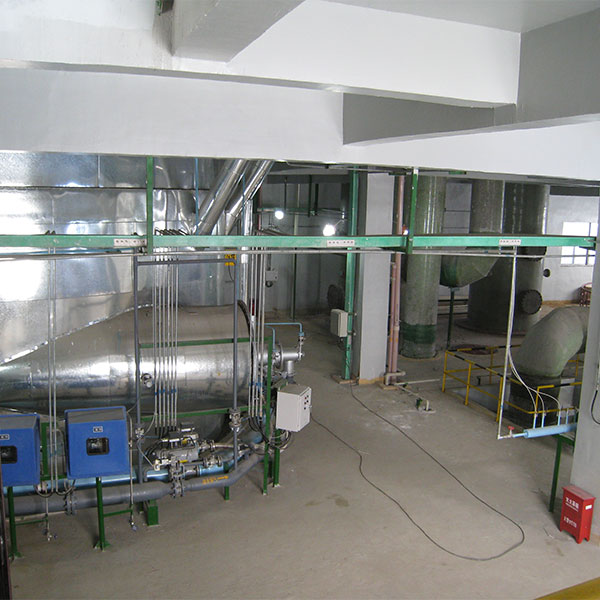 Special acid regeneration equipment
 -
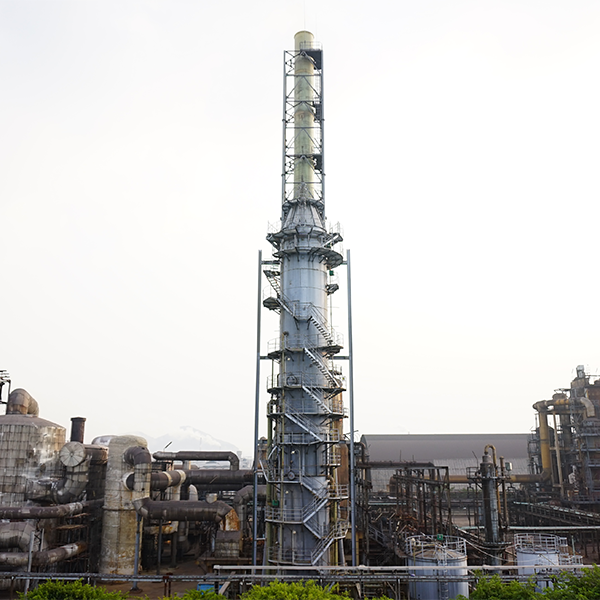 Flue gas desulfurization technology using ammonia
Relatedsearch
Related Search- China natural gas liquefaction methods Main buyer country
- China VOC Tail Gas Recycling Supplier
- China Mycotoxin Adsorbent Supplier
- adsorbents list manufacturer
- argon purification device
- gas adsorbents in China
- China VOC Tail Gas Recycling Manufacturer
- China valve price price
- China Vinyl Chloride Recycling Technology Manufacturers
- China Mycotoxin Adsorbent Exporter