

mycotoxin adsorbent in China
Mycotoxin adsorbent in China
Mycotoxins are dangerous substances that are produced by certain types of mold on grain crops such as wheat, corn and rice. They can negatively affect the health of people and animals, causing a variety of problems. In China, where agriculture and food production are actively developing, the problem of mycotoxins is very relevant. Finding an effective way to remove them is an important task for maintaining health and well-being.
Development and application of adsorbents
China is actively researching and developing various adsorbents capable of binding and removing mycotoxins from products. These substances, like sponges, absorb mycotoxins, preventing them from entering the human or animal body. Various natural materials are used, such as activated carbon, clays, and even some types of algae. Scientists are looking for the most effective and safe options that will be applicable throughout production.
Efficiency and prospects for application
Research shows that some adsorbents are highly effective in binding various mycotoxins. This helps reduce the risk of them getting into food and, as a result, protect the health of consumers. Developments in this area are actively supported by the Chinese government, as this is a strategically important task. The prospects for the use of adsorbents in the agricultural and food industries look promising, but further research is needed to determine optimal conditions of use and scale-up of the process. Not only laboratory tests play an important role, but also practical tests on large volumes of products.
Conclusion
The mycotoxin problem in China is serious, but with the development of research and the use of effective adsorbents, there is hope of solving it. This will preserve public health, ensure food safety and strengthen global confidence in Chinese agricultural products. Further development of technology and practical implementation of developments will make food products even safer for consumption.
Correspondingproducts
Related Products
Best Sellingproducts
Best Selling Products-
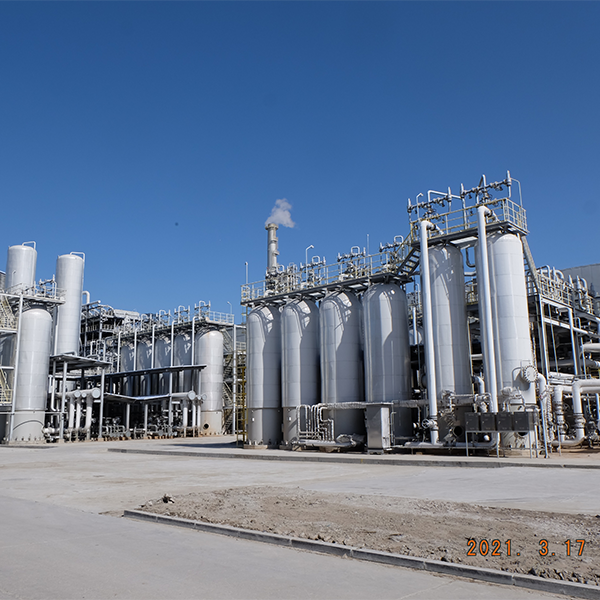 Hydrogen production from coke oven gases
 -
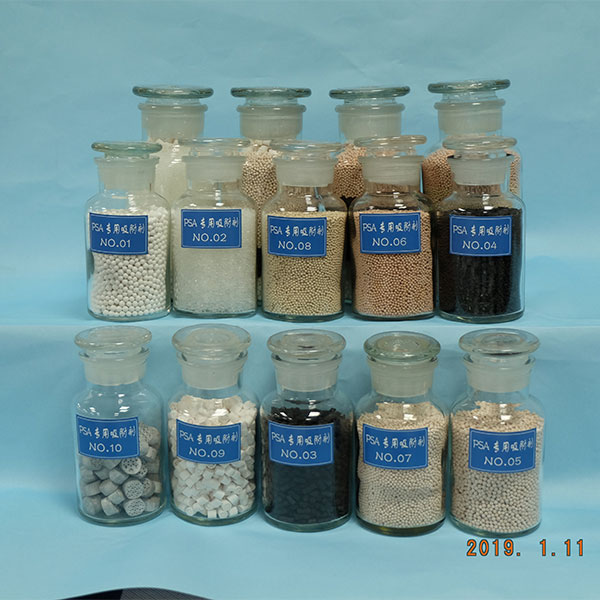 absorbent
 -
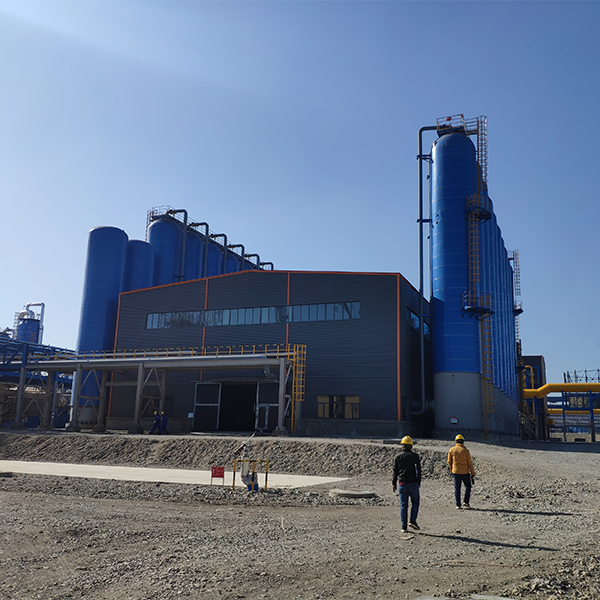 Hydrogen production by coal gasification
 -
 MPS decarbonization technology
 -
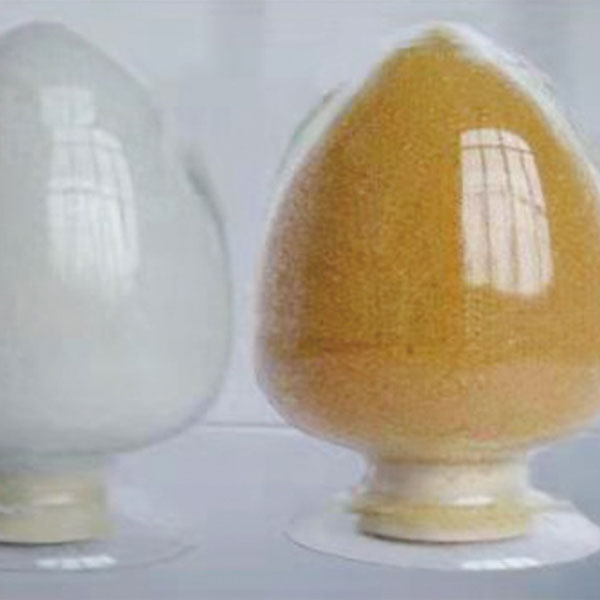 Unit desalting and demineralization equipment and special resin
 -
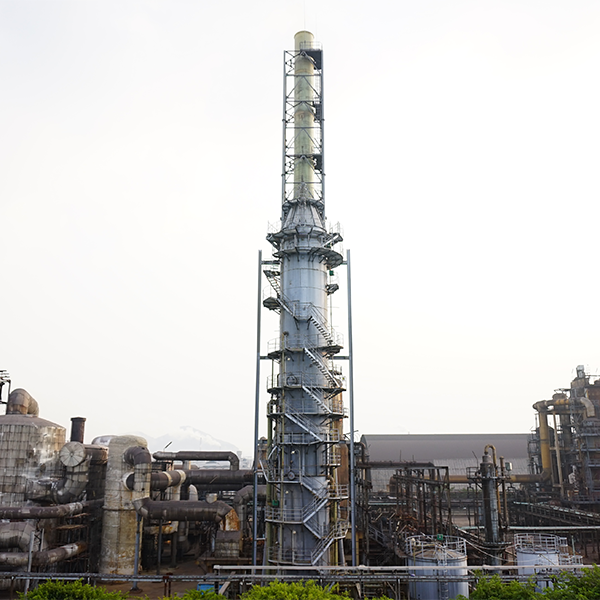 Flue gas desulfurization technology using ammonia
 -
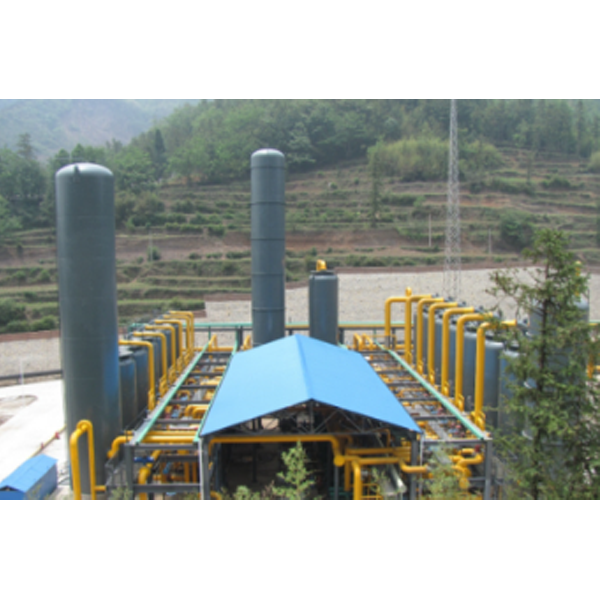 Methane extraction technology – coalbed methane
 -
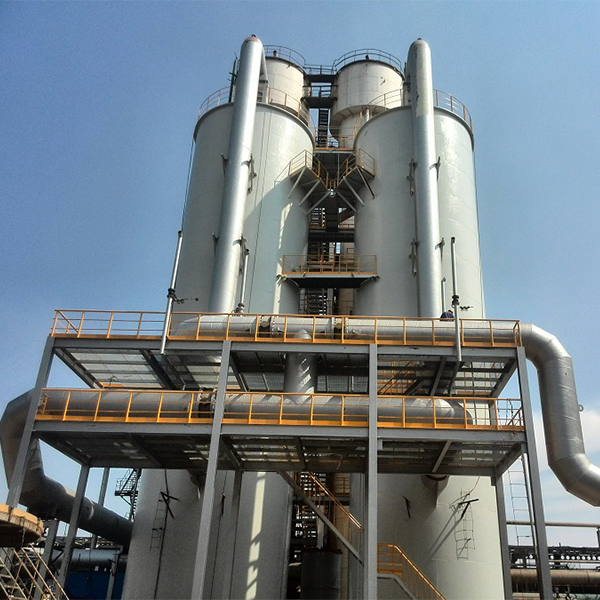 Desulfurization technology using the redox wet method
 -
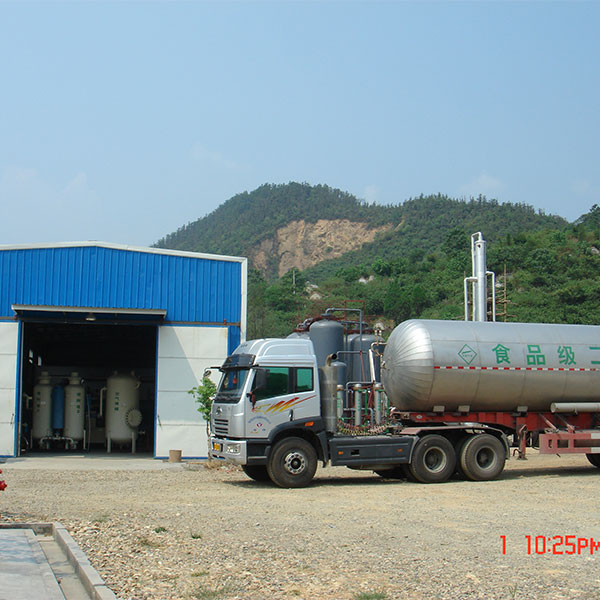 Food grade CO2 purified
 -
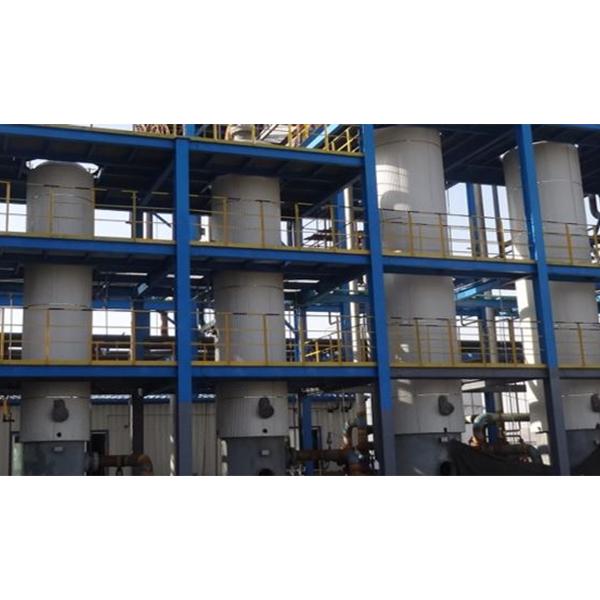 Coal gas organic sulfur fine removal technology
 -
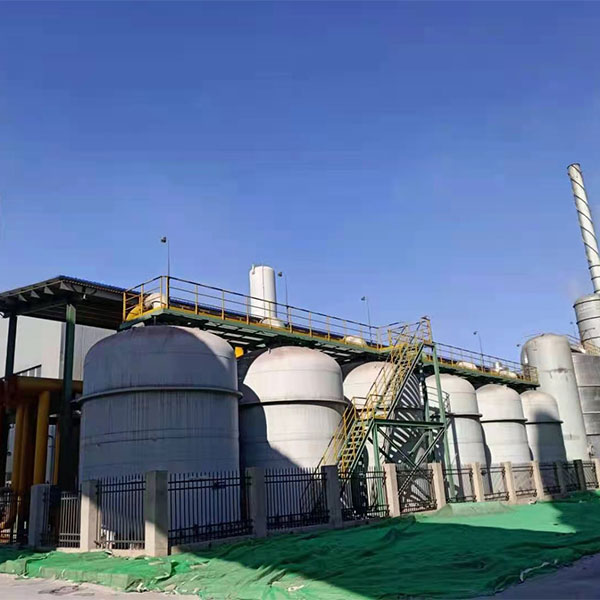 CO2 removal by pressure swing adsorption
 -
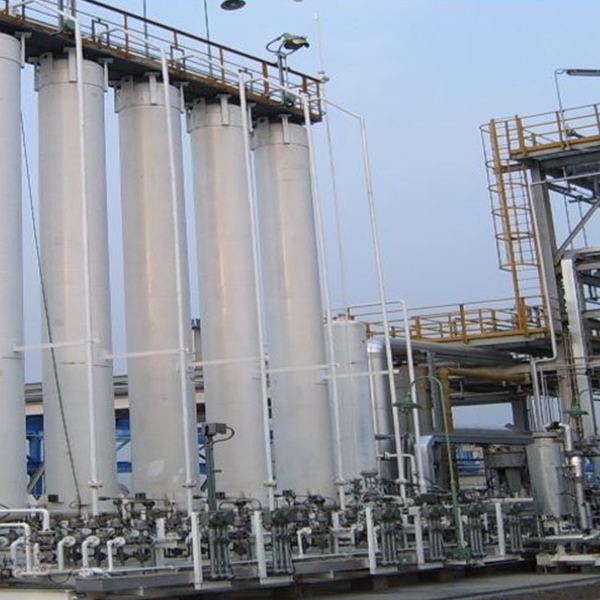 Argon purification
Relatedsearch
Related Search- China three way valve exporters
- China VOC Tail Gas Recycling Supplier
- adsorbents factory list
- Oxygen production by pressure swing adsorption plant
- China liquefied natural gas process exporters
- China natural gas liquefaction plant scheme
- solenoid valve
- Adsorbent supplier
- China Liquefied Natural Gas Technology Exporter
- adsorbents list in China