

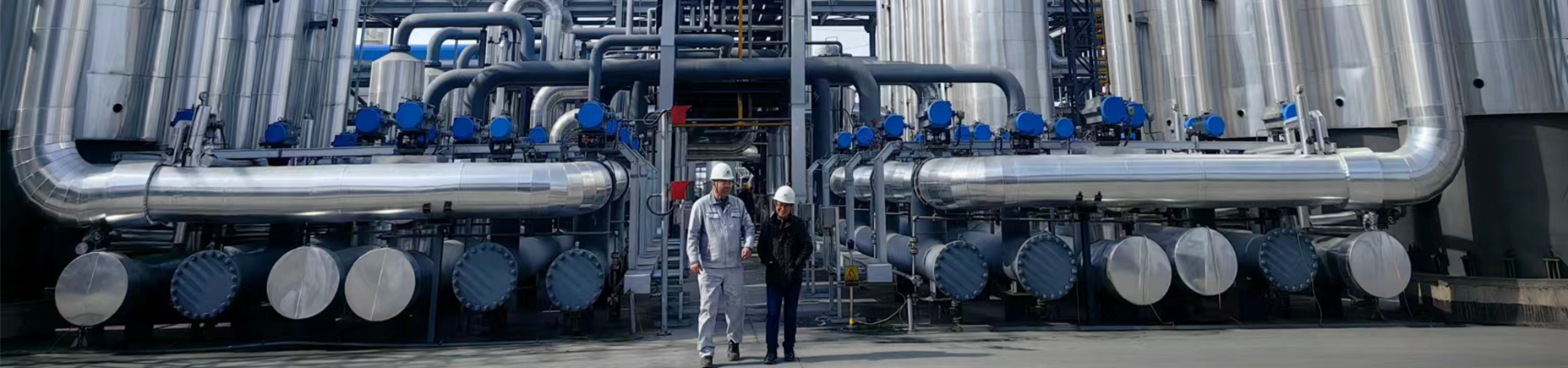
Flue gas denitrification SCR、SNC in China
Flue gas denitrification SCR, SNC in China
Flue gas denitrification is a complex process aimed at reducing emissions of nitrogen oxides (NOx) into the atmosphere. In China, an actively developing industrial power, this task is especially acute. One of the most common methods is the use of SCR (Selective Catalytic Reduction) and SNC (Selective Non-catalytic Reduction) catalytic systems. Essentially, these systems cause harmful gases to react with each other, turning them into harmless substances before they are released into the air. Imagine how harmful substances pass through the filter system, being cleaned and becoming safe.
Mechanism of operation of SCR and SNC
SCR and SNC systems act as chemical converters. SCR uses a catalyst that helps the nitrogen and oxygen in the flue gas react with a reactant (most often urea). As a result, nitrogen and water vapor are produced, significantly reducing the content of harmful nitrogen oxides in emissions. SNC, unlike SCR, does not use a catalyst. Instead, it uses a chemical that reacts directly with nitrogen oxides. Both methods are effective, but SCR is generally preferred due to its higher efficiency and the ability to reduce emissions to much lower values.
Prospects and challenges in China
In China, the development of flue gas denitrification technologies is a strategic objective. As industry grows and production expands, reducing NOx emissions becomes increasingly important to protect the environment and human health. However, the implementation of such systems is associated with certain challenges. For example, the cost of equipment and reagents can be significant. Effective training of personnel to service and maintain these complex systems is also important. In addition, continued research and development of new, more efficient and economical denitrification methods are necessary to further advance the field. The Chinese government actively supports this goal by investing in research and subsidizing the use of environmentally friendly technologies. Given the size of the Chinese economy, the successful implementation of such technologies will play a critical role in improving air quality and protecting public health.
Correspondingproducts
Related Products
Best Sellingproducts
Best Selling Products-
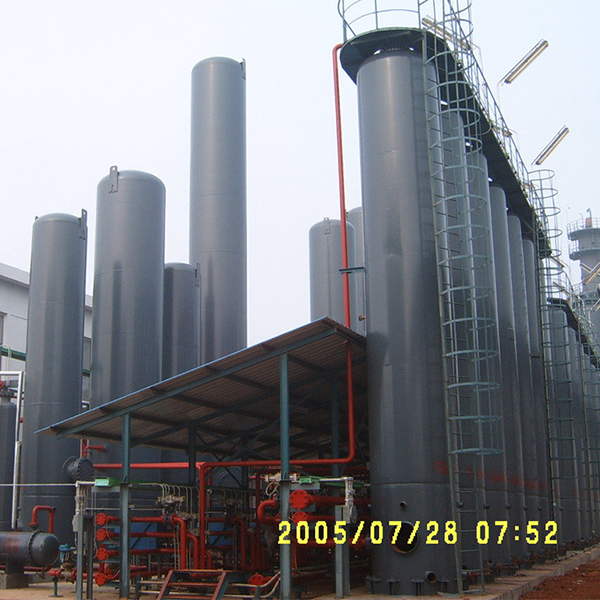 CO removal by pressure swing adsorption
 -
 Technology of desulfurization and CO2 removal using NHD method
 -
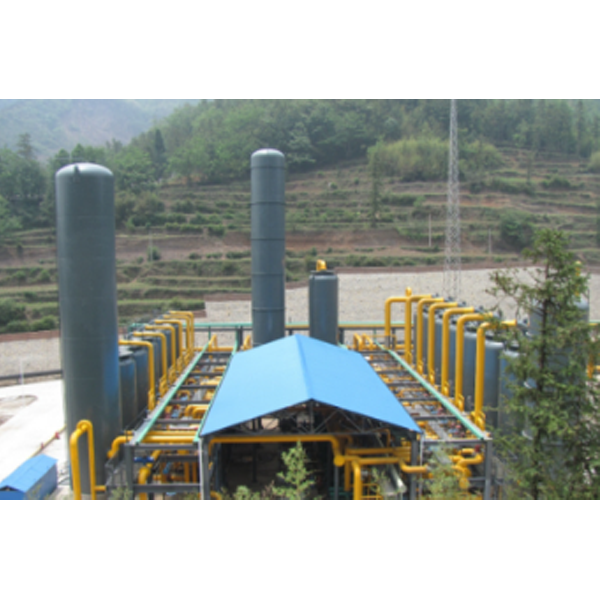 Methane extraction technology – coalbed methane
 -
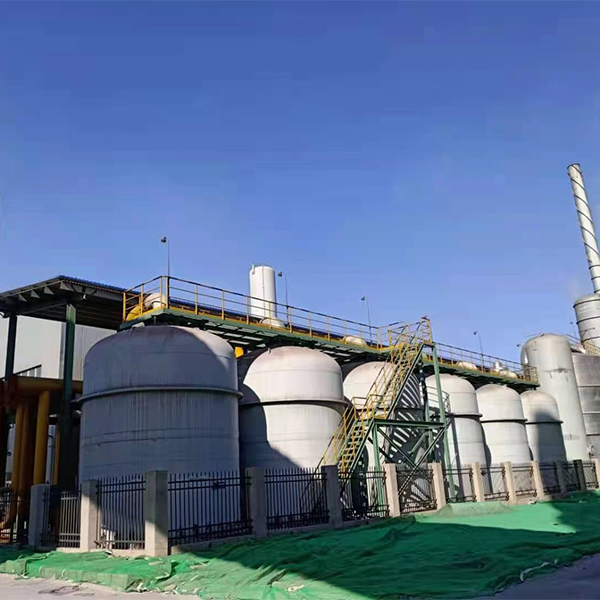 Oxygen purification and utilization
 -
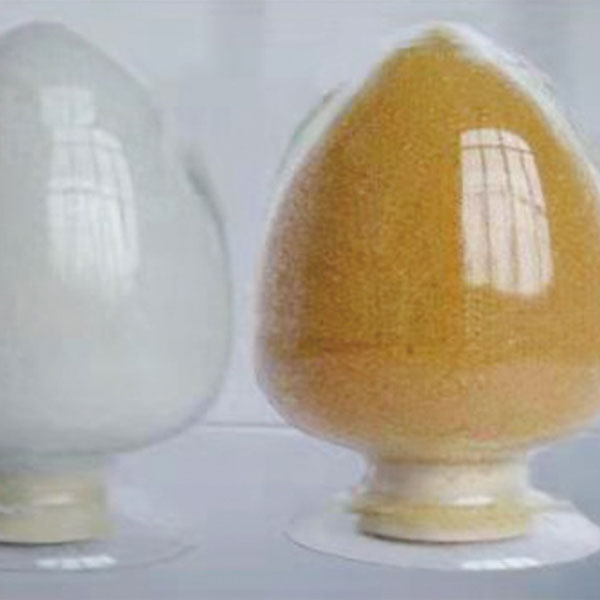 Unit desalting and demineralization equipment and special resin
 -
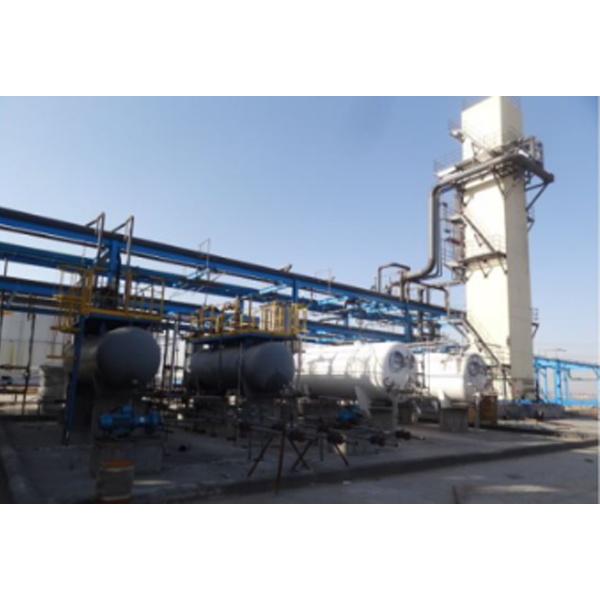 Liquefaction of natural gas
 -
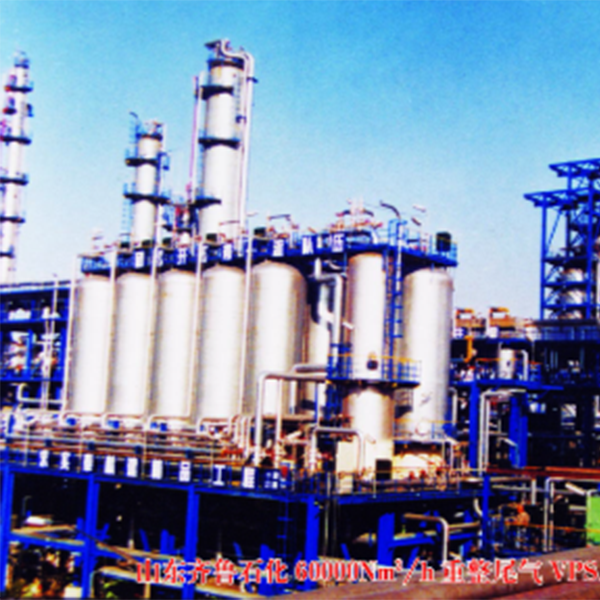 Hydrogen purification technology by pressure swing adsorption
 -
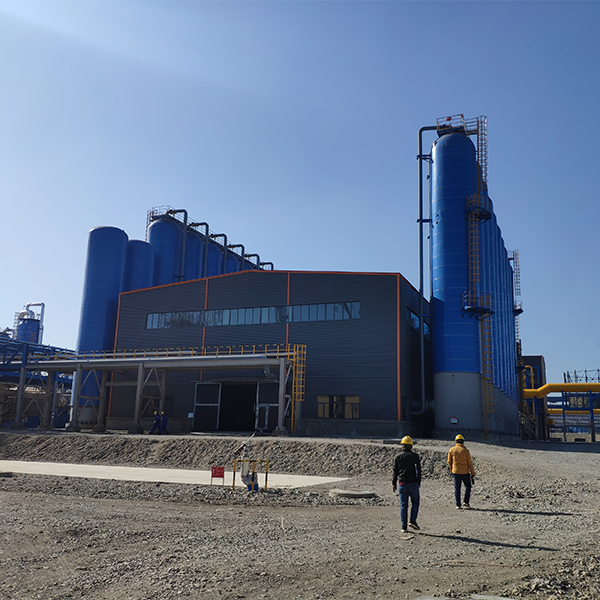 Hydrogen production by coal gasification
 -
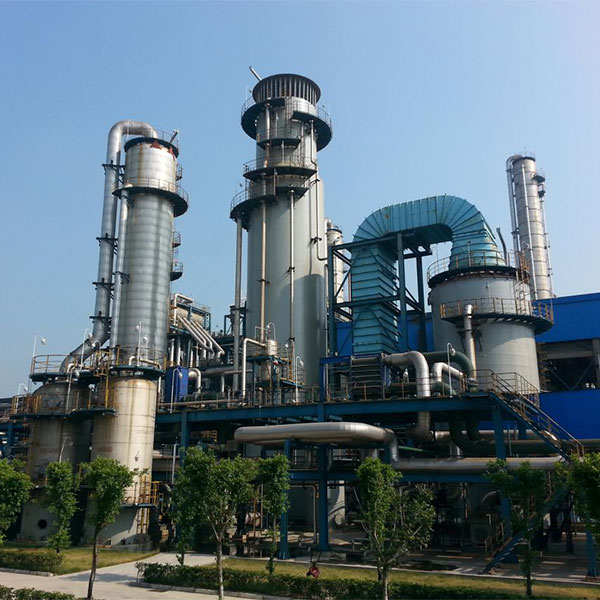 Wet CO2 removal technology
 -
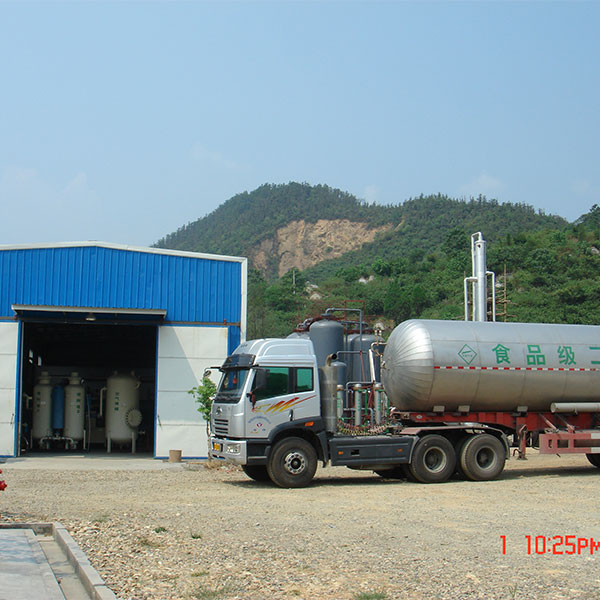 Food grade CO2 purified
 -
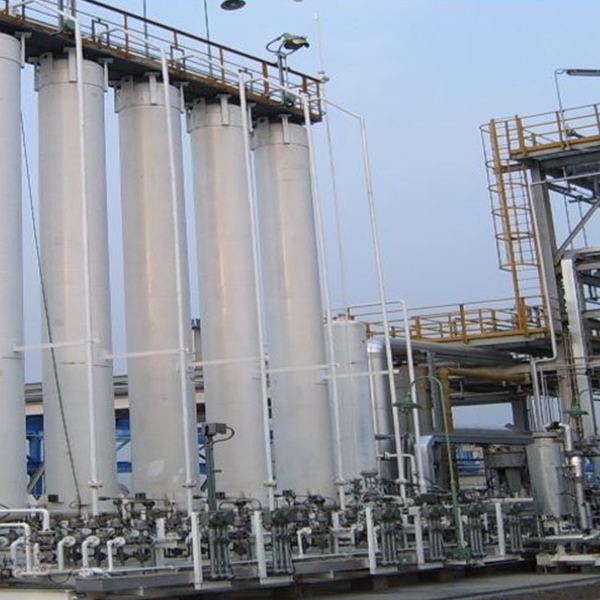 Argon purification
 -
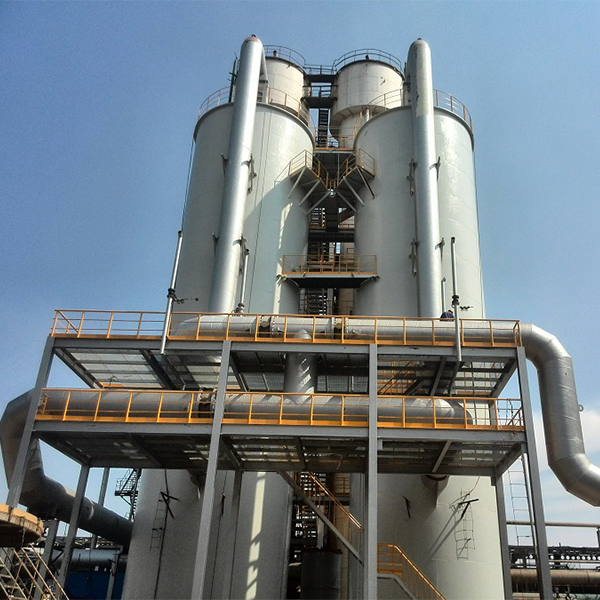 Desulfurization technology using the redox wet method
Relatedsearch
Related Search- China adsorbent buy factory
- China Natural Gas Liquefaction Technology Suppliers
- China valve years factory
- China Fuel Valve Manufacturer
- adsorbents activated carbon supplier
- China Wet redox desulphurization technology Main buyer country
- China Flue Gas CO2 Recovery Technology Manufacturers
- China valve price Manufacturers
- China Fuel Valve Exporter
- China adsorbent buy exporters