


CO removal by pressure swing adsorption
CO removal by pressure swing adsorption
Carbon monoxide (CO) is a dangerous gas found in automobile exhaust, industrial processes, and even some household appliances. Its removal is often necessary to ensure safety and environmental friendliness. One effective method is adsorption, a process in which gas is captured by a solid surface (adsorbent). But how can this process be made more efficient? The answer is to use variable pressure.
How the method works
Imagine a spongy adsorbent structure that can absorb CO2. At constant pressure, CO molecules can only fill a certain number of adsorbent pores. Changing pressure is key. As the pressure decreases, the gas tends to escape, and the adsorbent releases some of the captured CO. This process, repeated cyclically, allows you to extract much more gas than with simple constant pressure. It's like squeezing gas out of the adsorbent.
Benefits of Variable Pressure
This method has a number of advantages. Firstly, it significantly increases the efficiency of CO removal. As a result, the amount of CO removed from a unit of adsorbent increases significantly. Secondly, this approach allows you to save adsorbent, since cyclic use allows you to reuse it. Thirdly, the process is more flexible, allowing the removal rate to be adapted to changing conditions. This is especially true in industrial practice, where CO concentrations and its source may vary. For example, in car exhaust gas purification plants.
Prospects and conclusions
The CO removal method by pressure swing adsorption is a promising way to ensure environmental safety. It is more effective than traditional methods and more economical in the long run. The development of this technology could lead to the creation of more advanced air purification systems and prevent the negative effects of CO on the environment and human health. After all, every cleaner breath is a step towards a better future.
Correspondingproducts
Related Products
Best Sellingproducts
Best Selling Products-
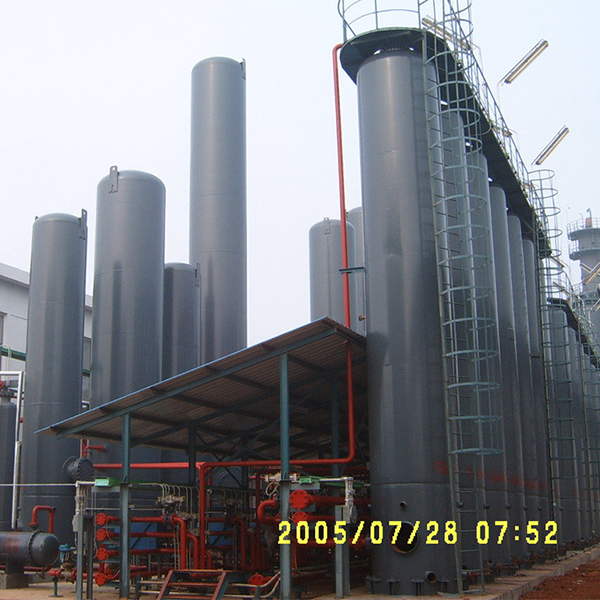 CO removal by pressure swing adsorption
 -
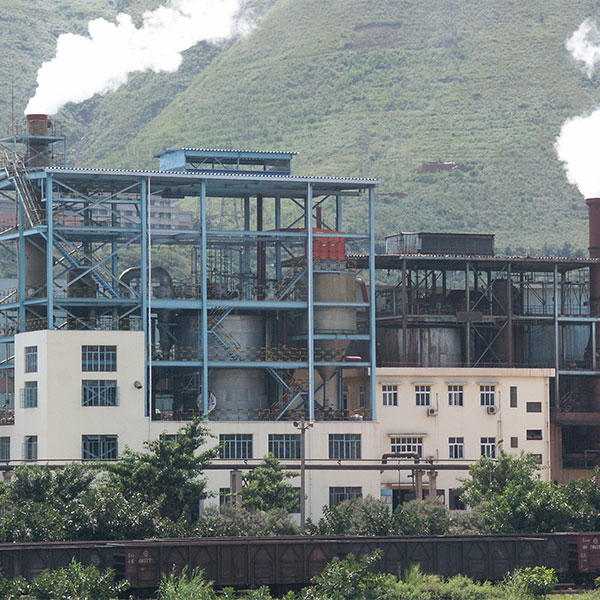 Waste acid regeneration
 -
 Battery material precursor production technology
 -
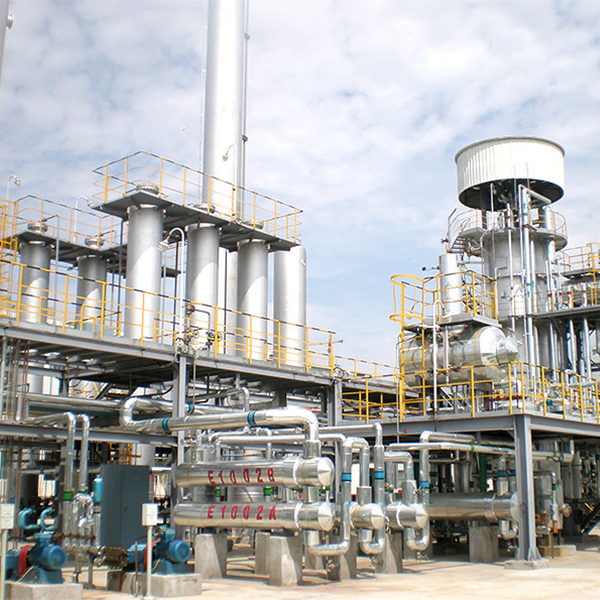 Hydrogen production by conversion of light hydrocarbons with steam
 -
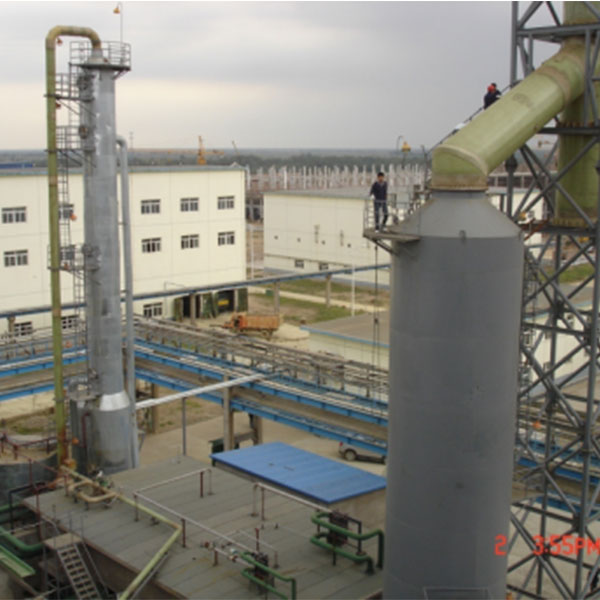 Ionic liquid desulfurization technology
 -
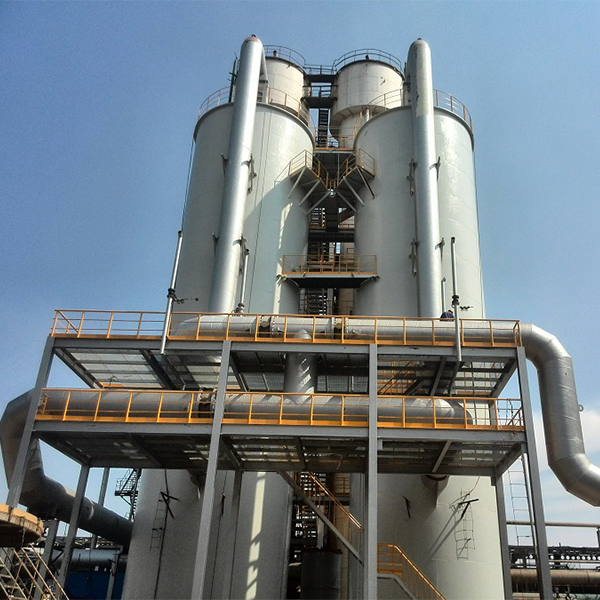 Desulfurization technology using the redox wet method
 -
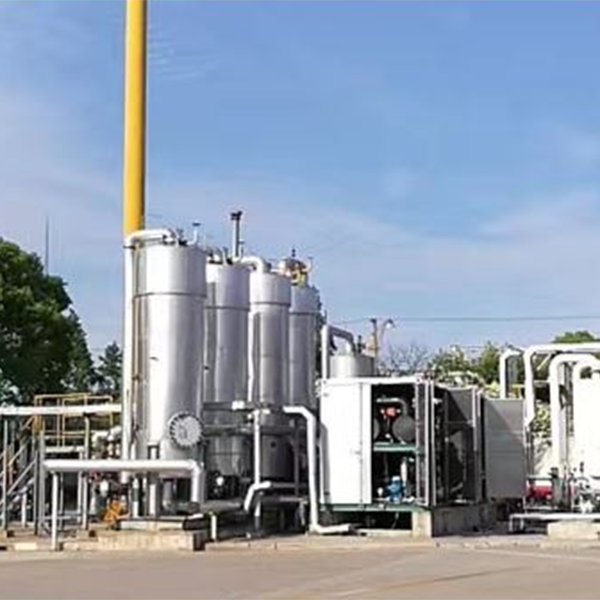 VOC tail gas disposal
 -
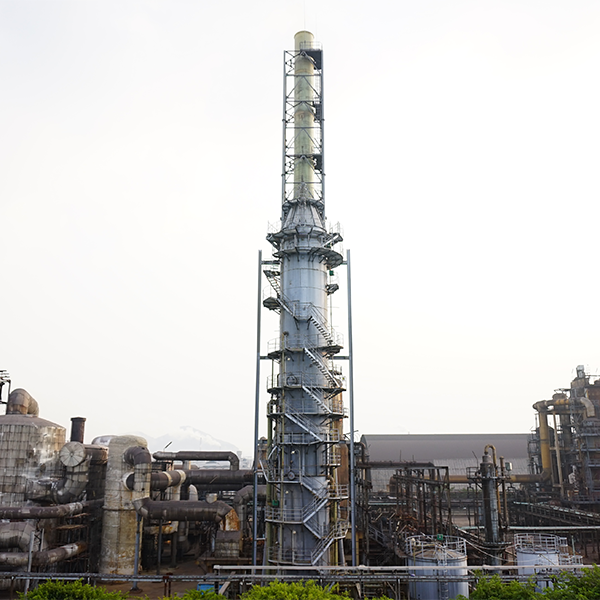 Flue gas desulfurization technology using ammonia
 -
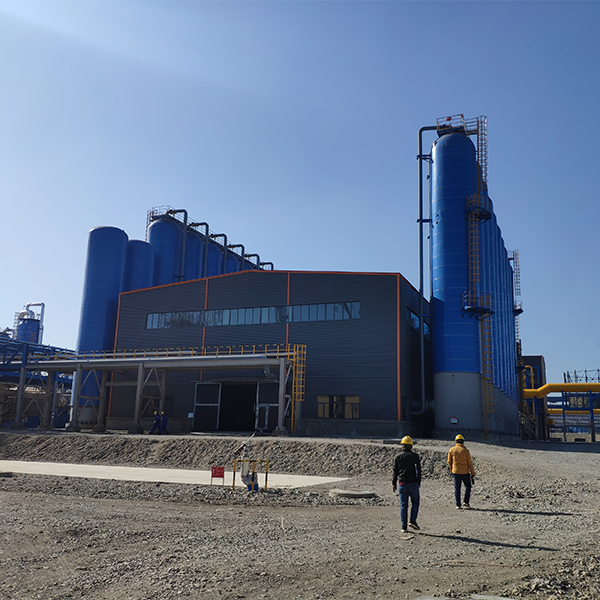 Hydrogen production by coal gasification
 -
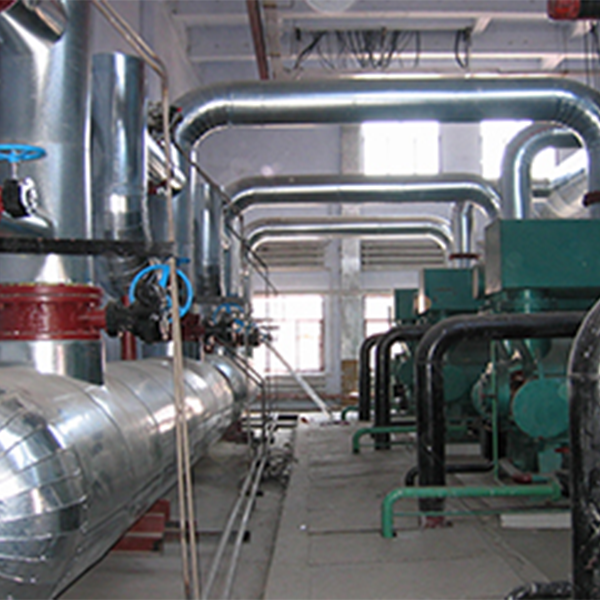 Oxygen production by pressure swing adsorption
 -
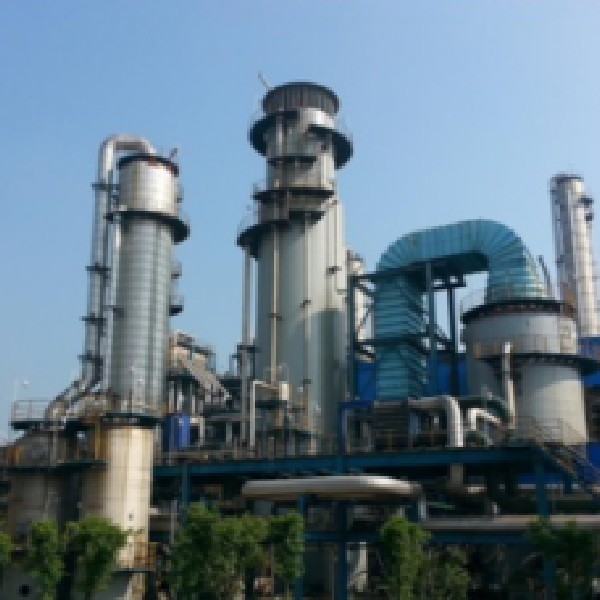 MPS decarbonization technology
 -
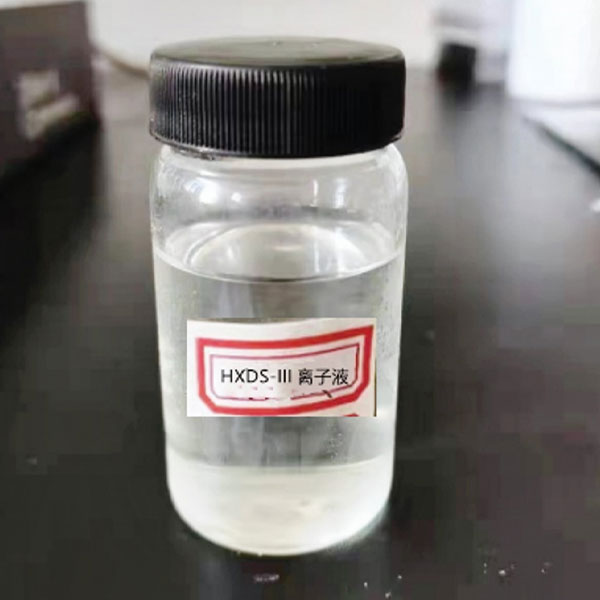 Ionic liquid desulfurizer
Relatedsearch
Related Search- China NHD CO2 Desulfurization and Removal Technology Manufacturers
- China CO2 Removal by Pressure Swing Adsorption Manufacturer
- China O2 removal by pressure swing adsorption product
- Carbon adsorbent
- China best adsorbent price
- China adsorbent price Manufacturer
- China Adsorbents Activated Carbon Supplier
- catalyst adsorbent
- China mycotoxin adsorbent Main buyer country
- China Adsorbents Preparations Supplier