

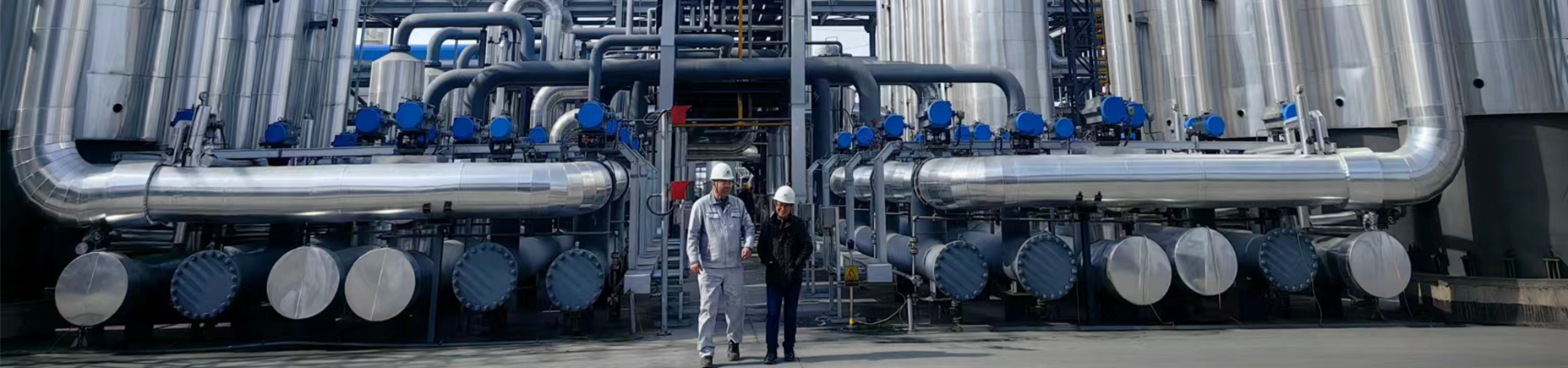
Ionic liquid desulfurization technology
Ionic liquid desulfurization technology
Intensive industrial activities, especially in the energy sector, often result in emissions of sulfur compounds into the atmosphere. These emissions cause enormous harm to the environment, causing acid rain and other environmental problems. One of the promising ways to solve this problem is desulfurization technology using the ionic liquid method.
What is an ionic liquid?
Ionic liquids are a special class of substances that are liquid at room temperature but are composed of ions. They are similar to ordinary liquids, but have unique properties such as high thermal stability, good solubility and low volatility. It is important to understand that they are not harmful to the environment if used and disposed of correctly. Essentially, it is a smart liquid that can selectively bind sulfur without harming other substances.
How does the technology work?
The principle of desulfurization using the ionic liquid method is based on the ability of these unique substances to selectively bind sulfur compounds from industrial emissions. The ionic liquid, like a sponge, absorbs sulfur, forming a chemical compound with it. This compound is then separated from the emissions and further processed to produce pure substances or recover the ionic liquid for reuse. This process essentially converts harmful emissions into harmless substances. It is important to note that the effectiveness of the method directly depends on the choice of a suitable ionic liquid for a particular type of emissions.
Benefits and future applications
Ionic liquid desulfurization technology has a number of significant advantages. Firstly, it is very effective in removing sulfur compounds. Secondly, ionic liquids are relatively easy to regenerate, making the process economical in the long term. Thirdly, their use reduces the negative impact on the environment. In the future, this technology can be used not only in the energy sector, but also in other industries where sulfur emissions are present, for example, in metallurgy and the chemical industry. This will allow us to create greener and more sustainable production processes.
Correspondingproducts
Related Products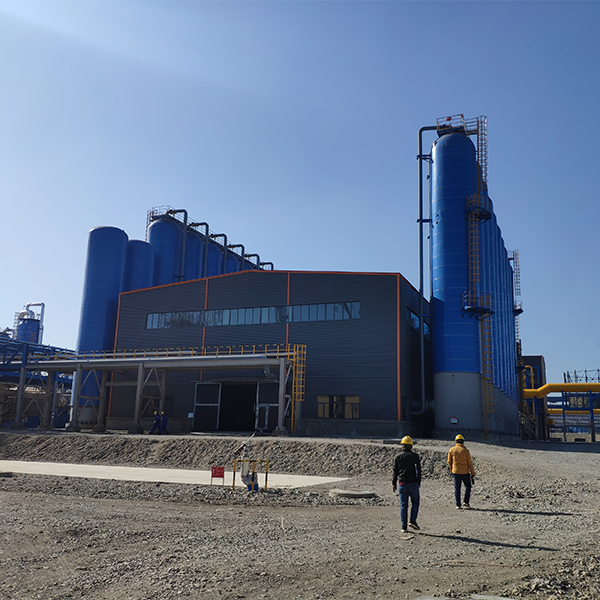
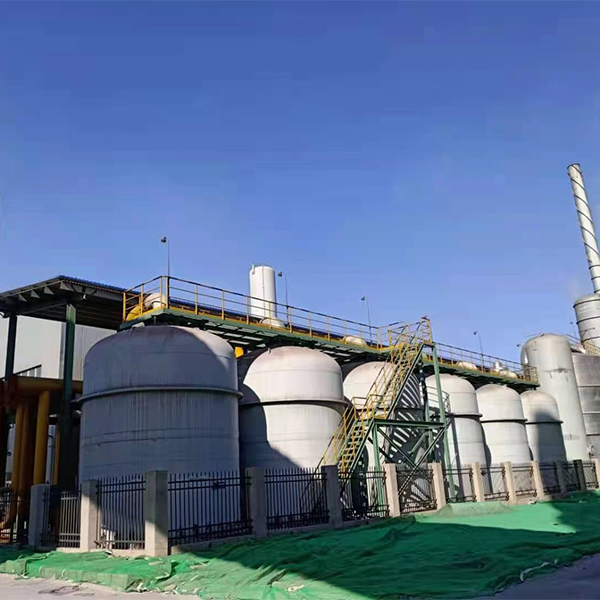
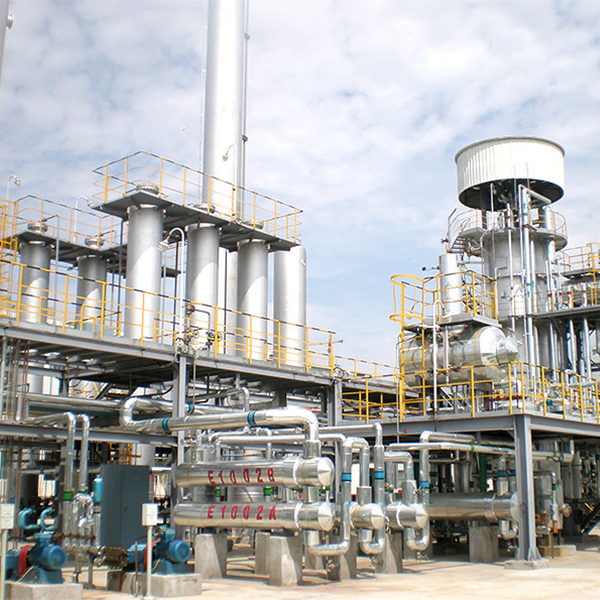
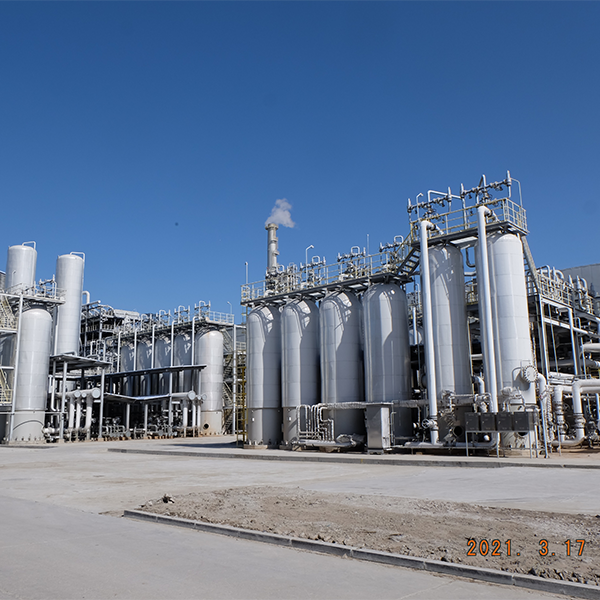
Best Sellingproducts
Best Selling Products-
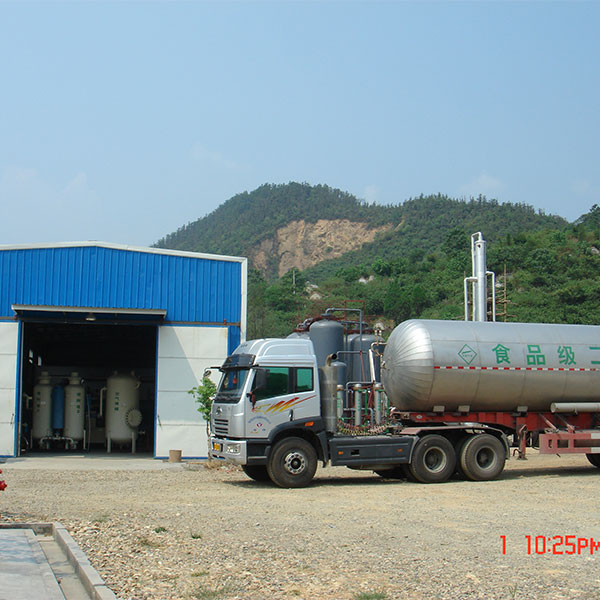 Food grade CO2 purified
 -
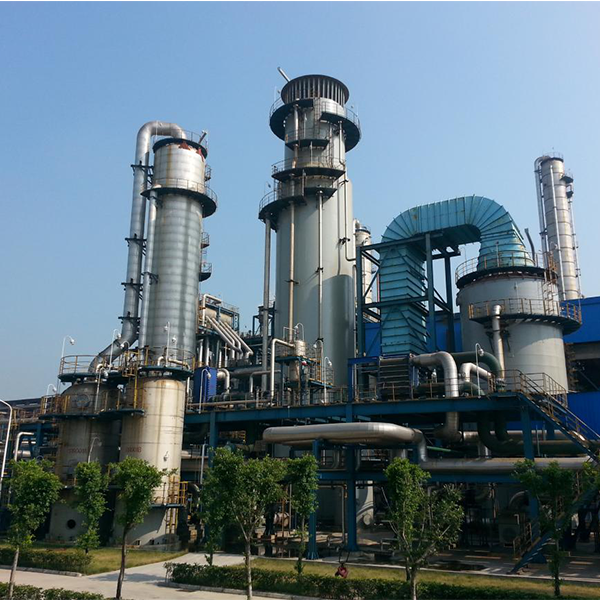 MEA-MDEA-NHD Desulfurization Technology
 -
 MPS decarbonization technology
 -
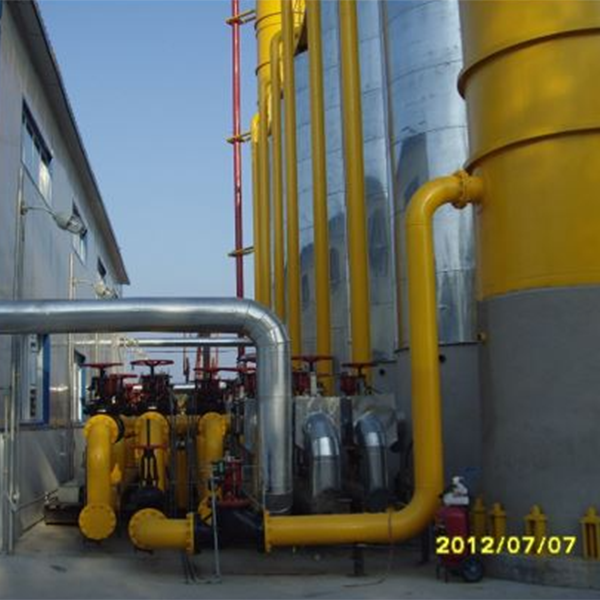 Vinyl chloride recycling technology
 -
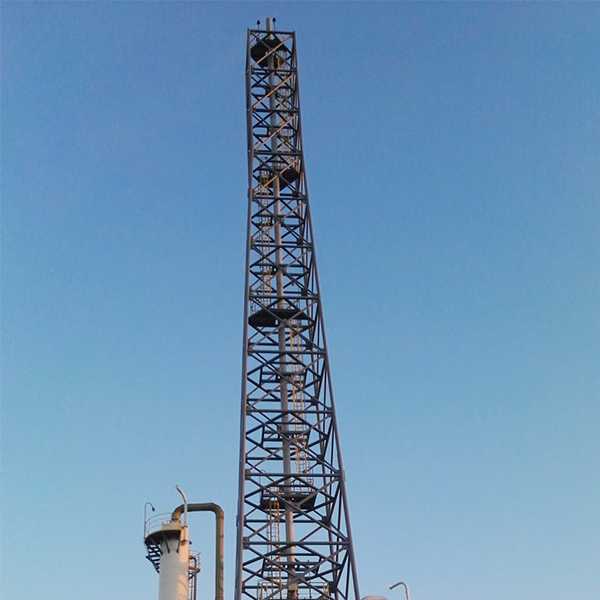 Technology of desulfurization and CO2 removal using NHD method
 -
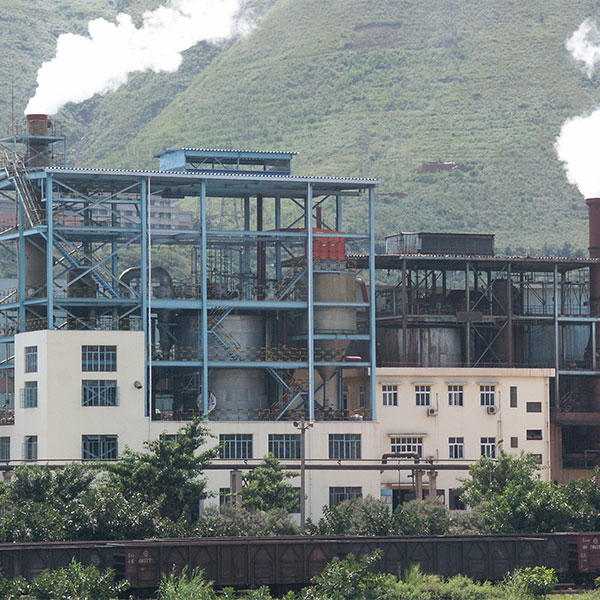 Waste acid regeneration
 -
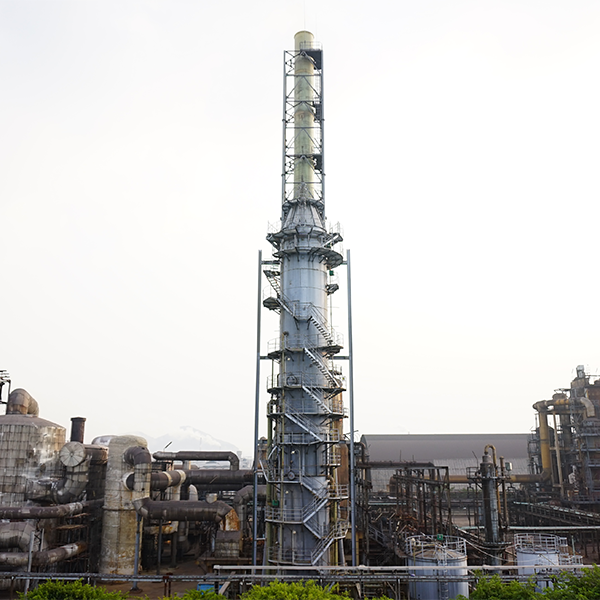 Flue gas desulfurization technology using ammonia
 -
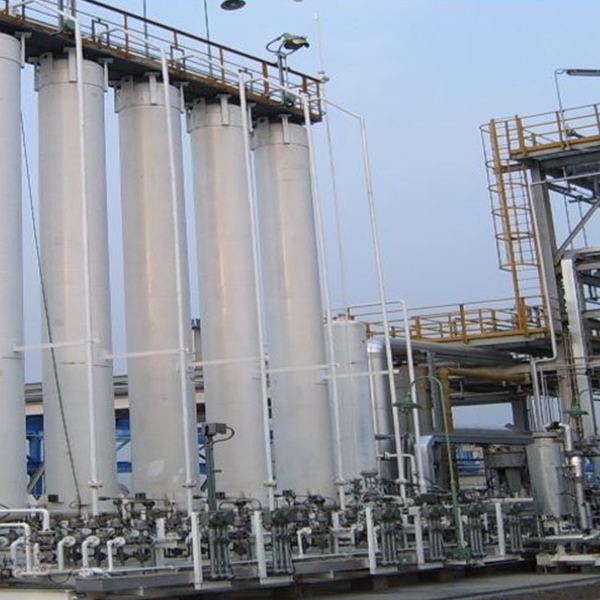 Argon purification
 -
 Methane extraction technology – coalbed methane
 -
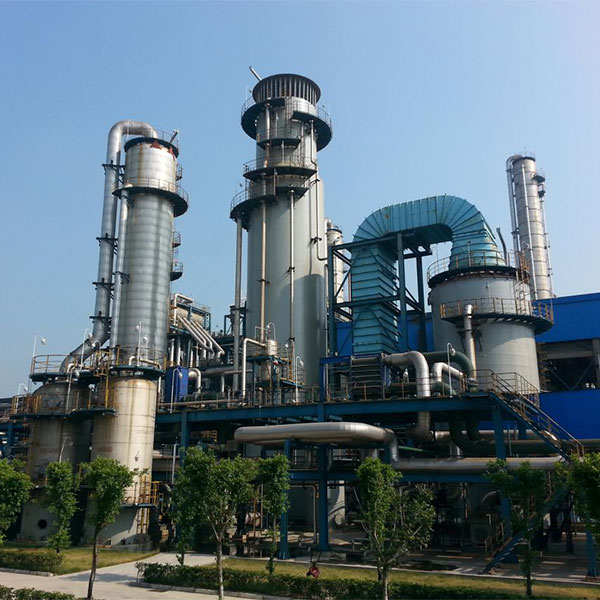 Wet CO2 removal technology
 -
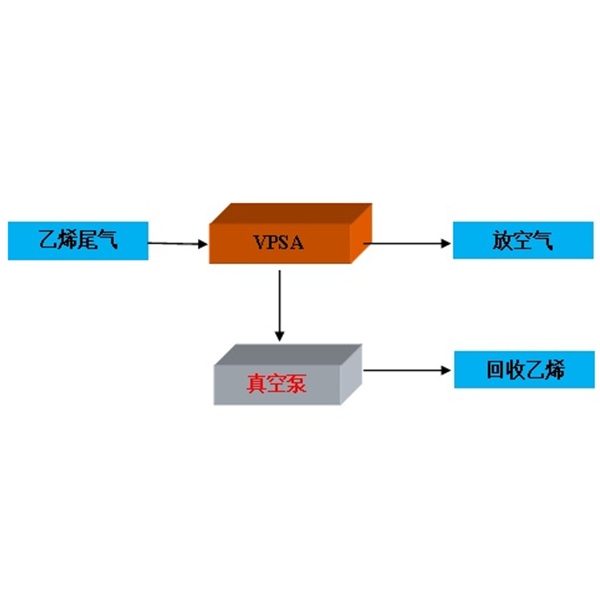 Ethylene tail gas recovery
 -
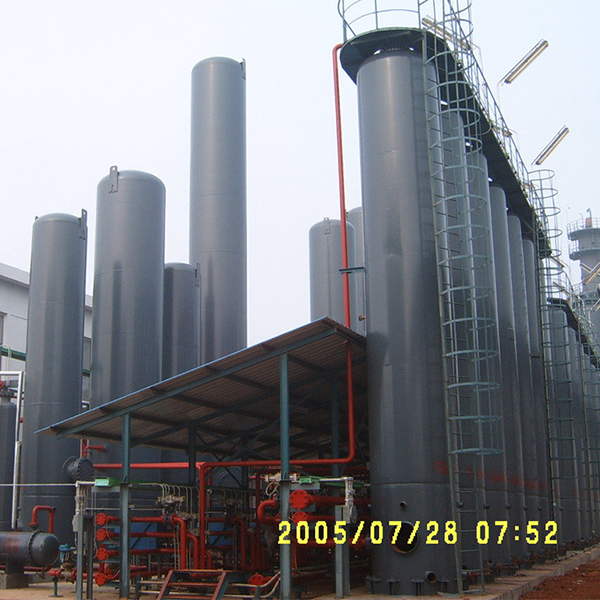 CO removal by pressure swing adsorption
Relatedsearch
Related Search- China Gas Valve Supplier
- Desulfurization technology using the redox wet method
- China zeolite adsorbent products
- China valve sensor factories
- China Vinyl Plate Recycling Technology Suppliers
- China mycotoxin adsorbent exporters
- China control valve products
- Hydrogen production by conversion of light hydrocarbons with steam
- China catalyst adsorbent exporters
- China solenoid valve factories